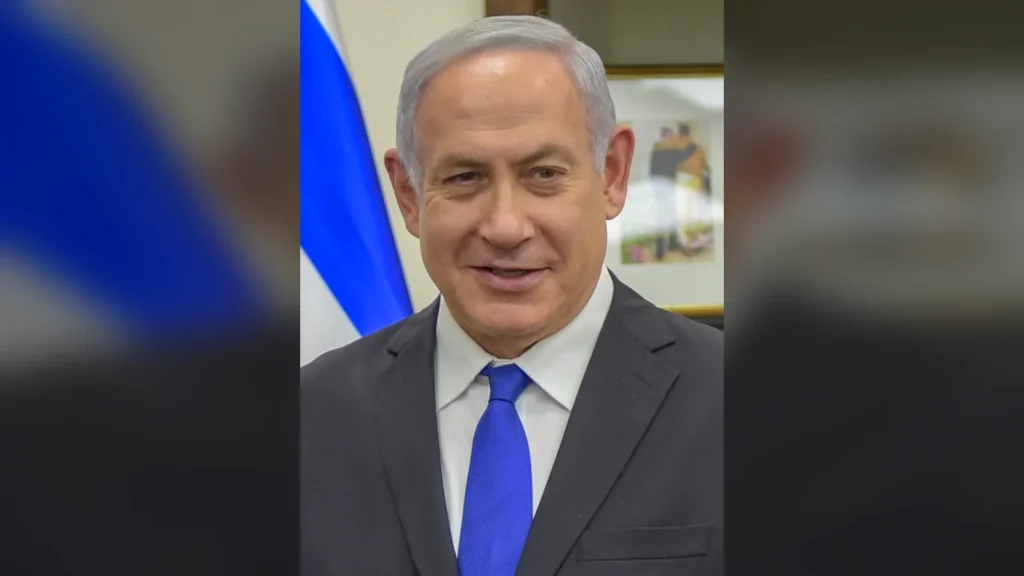
NEW YORK — Israeli Prime Minister Benjamin Netanyahu defended recent military operations in Gaza during a speech to the United Nations General Assembly on 25 September, after which delegations from more than a dozen countries left the chamber in protest. Netanyahu said Israel was acting in self‑defence against attacks and warned that any escalation would threaten regional stability.
Speech and Immediate Reaction
Netanyahu addressed the assembly for five minutes, asserting that Israel’s actions were a lawful response to rocket fire and infiltration attempts. He rejected calls for an immediate ceasefire, stating that Israel would continue to target militant infrastructure until security threats were eliminated.
Within minutes of his remarks, representatives from South Africa, Brazil, Malaysia, Norway and several African nations rose from their seats and exited the hall. The walk‑out was reported by multiple outlets, including Africanews and NBC News, as a coordinated protest against Israel’s conduct in Gaza.
International Responses
European Union officials issued a brief statement after the session, urging restraint on all sides and calling for renewed diplomatic engagement. The United States delegation, while remaining seated, released a separate comment emphasizing Israel’s right to defend itself but also urging proportionality.
Human‑rights groups, cited by The Center Square, condemned the speech as “ignoring civilian suffering” and called for an independent investigation into alleged war crimes. No official UN resolution was tabled during the meeting.
Background to the Military Action
The Israeli Defence Forces launched a series of airstrikes in early September after a surge in cross‑border attacks from Gaza. Israeli officials reported that more than 150 rockets were fired toward southern Israel in the preceding 48 hours, prompting the retaliatory campaign. Casualty figures released by the Israeli Ministry of Defence indicated that at least 30 Israeli civilians were injured, while Gaza health authorities, quoted by BBC News, claimed over 1,200 Palestinians had been killed.
Netanyahu’s defence of the operation aligns with his government’s broader security strategy, which has faced mounting criticism domestically and abroad. Analysts note that the UN walk‑out reflects growing diplomatic isolation for Israel amid the humanitarian crisis.
Potential Diplomatic Fallout
Observers from the International Crisis Group warned that the walk‑out could deepen divisions within the UN and hamper future peace‑building efforts. The move also raises questions about the upcoming UN Security Council debate on the Gaza conflict, scheduled for early October.
In the United States, congressional leaders from both parties have called for a review of military aid to Israel, though no formal legislation has been introduced. Meanwhile, the Israeli Foreign Ministry announced plans to engage with allies in private meetings to explain its position.
Domestic Political Context
Netanyahu’s speech came ahead of a scheduled vote of confidence in the Israeli Knesset, where opposition parties have pledged to challenge his leadership if public opinion continues to erode. Polls released by the Israeli Central Bureau of Statistics in August showed a decline in support for the prime minister, with 42 % of respondents expressing disapproval of the Gaza campaign.
Opposition leader Yair Lapid, speaking to local media, described the UN walk‑out as “a clear signal that Israel’s current approach is unsustainable.” The statement was not made at the UN session but reflects the broader political pressure Netanyahu faces.
Primary Sources & Official Records
- Netanyahu defends Israeli military action as delegates walk out before UN speech
- UN delegates walk out at Netanyahu defends Israeli military action – africanews.com
- Netanyahu defends military action, rips Mamdani, in fiery UN speech – The Center Square
- Israel’s Netanyahu takes the U.N. stage facing global isolation and a fight for his politi