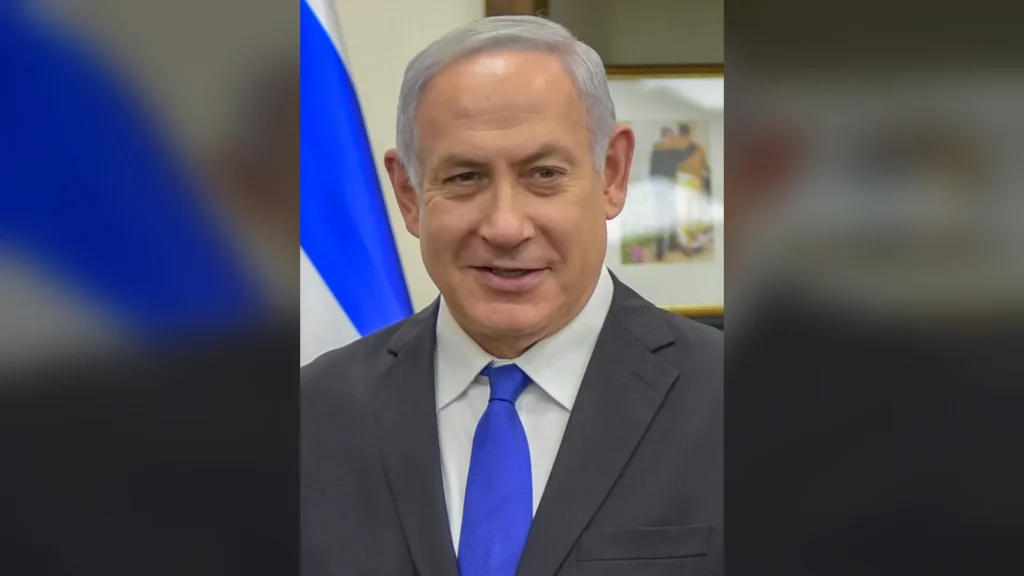
NEW YORK — Israeli Prime Minister Benjamin Netanyahu defended his government’s military operations in Gaza during a speech at the United Nations General Assembly on 25 September, a move that triggered a walk‑out by several delegations before the address was completed. The incident unfolded in the Assembly’s main hall, where the Israeli delegation was joined by representatives from 30 other countries.
Delegates Walk Out Amid Tension
According to reports from BBC News and Africanews, the walk‑out began after Netanyahu’s remarks criticized the UN’s handling of the Gaza conflict and singled out the UN’s chief of human rights, Yasmine Mamdani, for what he described as “unfair bias.” Delegates from the United Kingdom, France, Germany, and several African nations reportedly left the chamber in protest, citing the speech as “disrespectful” and “inflammatory.” The United Nations spokesperson confirmed that the walk‑out was a “political statement” and that the session continued without the absent delegations.
The Israeli Prime Minister’s address, delivered from the podium in front of the General Assembly, focused on the security threats posed by Hamas and the broader regional implications of the Gaza war. He described the Israeli military’s actions as “necessary and proportionate” and urged the UN to recognize the “complex reality” of the conflict. The speech also included a critique of the UN’s “selective reporting” and a call for greater accountability of other actors in the region.
Reactions from the International Community
In the days following the event, the United Nations General Assembly’s president, Volker J. K. Schneider, issued a statement noting that the walk‑out was a “significant disruption” but that the Assembly would proceed with its agenda. The statement also reaffirmed the UN’s commitment to a “balanced and impartial” approach to the Gaza conflict.
European Union officials expressed concern over the incident. A spokesperson for the EU’s foreign policy office said the walk‑out “underscores the deep divisions within the international community on the Gaza war.” The spokesperson added that the EU would continue to monitor the situation closely.
Netanyahu’s Political Context
Netanyahu’s speech comes amid growing domestic and international pressure on his government. The Israeli Prime Minister has faced criticism from opposition parties and civil society groups over the conduct of the Gaza campaign. Analysts note that the speech is part of a broader strategy to rally domestic support ahead of upcoming parliamentary elections.
According to NBC News, the Israeli government has maintained that its operations are in line with international law and that the country is “fighting a legitimate defense” against terrorism. The speech also touched on the broader geopolitical landscape, referencing Iran’s alleged support for Hamas and calling for a “regional security framework.”
Impact on UN Proceedings
The walk‑out did not halt the General Assembly’s schedule. The session resumed after a brief pause, with the UN Secretary‑General António Guterres delivering a statement on the importance of “peaceful resolution” and “humanitarian access” to Gaza. Guterres also called for a “reset” in diplomatic engagement with Israel and Hamas.
In the aftermath, several UN member states have indicated that they will seek a new resolution on the Gaza conflict that addresses the concerns raised by the walk‑out. The United Nations Human Rights Council has also announced a review of the situation in Gaza, citing the need for “independent investigations” into alleged violations.
Primary Sources & Official Records
- Netanyahu defends Israeli military action as delegates walk out before UN speech
- UN delegates walk out at Netanyahu defends Israeli military action – africanews.com
- Netanyahu defends military action, rips Mamdani, in fiery UN speech – The Center Square
- Israel’s Netanyahu takes the U.N. stage facing global isolation and a fight for his politi