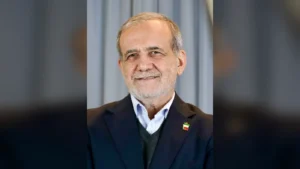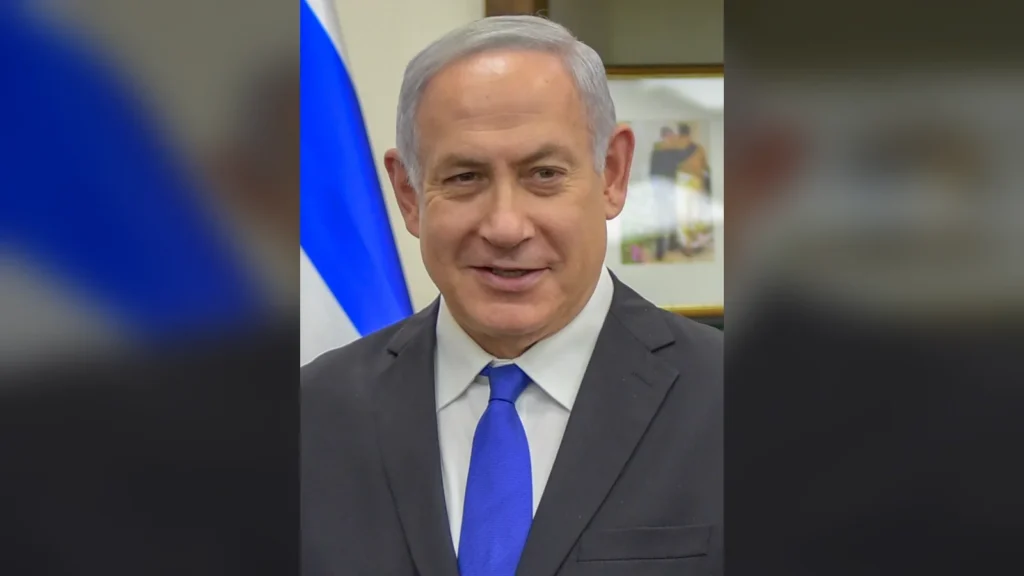
NEW YORK — Israeli Prime Minister Benjamin Netanyahu delivered a heated speech at the United Nations General Assembly on Friday, 25 September 2026, defending Israel’s military operations in Gaza and accusing a UN official of bias. The address was interrupted when several delegations, including those from the United States and the European Union, walked out before the speech concluded.
Speech amid escalating tensions
Netanyahu’s remarks came as Israel’s war with Hamas intensified, with the Israeli Defense Forces (IDF) reporting a series of airstrikes and ground operations aimed at dismantling militant infrastructure. The Prime Minister reiterated Israel’s right to self‑defence and criticised the UN’s “unilateral” stance on the conflict. He also targeted a UN official, referring to a “moral coward” who had previously called for a cease‑fire.
Delegates’ walkout signals diplomatic backlash
According to reports from Middle East Monitor, the walkout began with the United States delegation, followed by representatives from the European Union, Canada, and several Arab states. The delegates cited the speech’s “unbalanced narrative” and the “lack of a constructive dialogue” as reasons for leaving. The United Nations Secretary‑General’s office issued a statement noting that the walkout was a “protest against the tone of the address.”
Context of the UN General Assembly session
The General Assembly session on 25 September was the first major UN forum to address the Gaza conflict since the war’s escalation in early 2026. The session also included a discussion of Iran’s nuclear program, which Israel has repeatedly warned about. Netanyahu’s speech was framed as a defense of Israel’s regional security strategy, referencing the ongoing threat from Iran and its proxy groups.
Reactions from the international community
In the United States, the State Department released a statement expressing “concern” over the speech’s tone and reaffirming its support for a negotiated settlement. European diplomats described the walkout as a “significant diplomatic statement” but did not comment on the content of Netanyahu’s remarks. The Israeli Embassy in Washington issued a brief response, stating that the Prime Minister’s speech was “in line with Israel’s official position on security matters.”
Netanyahu’s defense of military action
Netanyahu highlighted the IDF’s efforts to target Hamas leadership and infrastructure while minimizing civilian casualties. He cited recent intelligence reports indicating that the IDF had intercepted a planned attack on Israeli territory. The Prime Minister also accused the United Nations Human Rights Council of “selective reporting” and “political interference.”
Impact on Israel’s diplomatic standing
The walkout and the speech’s content have intensified scrutiny of Israel’s diplomatic relations. Analysts note that the incident may affect Israel’s standing in the UN, especially as the General Assembly is a platform for member states to voice concerns about human rights and conflict resolution. The incident also comes at a time when Israel’s political future is uncertain, with upcoming elections scheduled for early 2027.
Legal and procedural aspects
According to the United Nations’ procedural rules, a delegate’s walkout does not constitute a formal protest but is a symbolic act. The UN Secretariat has not taken any disciplinary action against the departing delegations. The Israeli delegation remains present for the remainder of the session, where it will participate in subsequent debates on the Gaza conflict.
Primary Sources & Official Records
- Netanyahu defends Israeli military action as delegates walk out before UN speech
- Netanyahu defends military action, rips Mamdani, in fiery UN speech – The Center Square
- Israel’s Netanyahu takes the U.N. stage facing global isolation and a fight for his politi
- Delegates walk out as Netanyahu defends Israel’s regional wars in UN address – Middle East