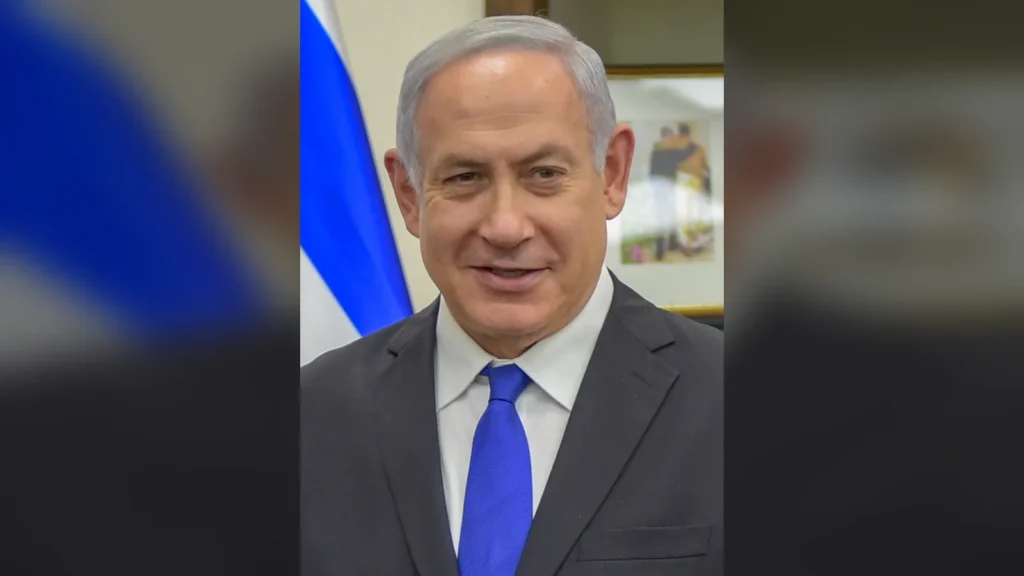
NEW YORK — Israeli Prime Minister Benjamin Netanyahu delivered a fiery address to the United Nations General Assembly on 25 September 2026, defending Israel’s recent military operations in the Gaza Strip and other regional engagements. The speech, which lasted just over an hour, was interrupted by a walkout from several delegations that had been present for the opening of the session.
Delegates walk out as Netanyahu defends Israel’s regional wars in UN address
Netanyahu’s remarks came after a series of UN resolutions condemning Israel’s actions in Gaza, including a call for a cease‑fire and an independent inquiry into alleged war crimes. In his speech, the Israeli leader criticized the UN’s “biased narrative” and accused several member states of “politically motivated” statements. He also targeted the United Nations Human Rights Council and its chair, citing “misinformation” about the conflict.
According to a report by the BBC, the Prime Minister’s speech was met with a quiet but visible protest. Delegates from the United Kingdom, Canada, and several African nations walked out of the assembly hall before the address began. The walkout was described as a “symbolic gesture of dissent” by the delegations, who had previously expressed concerns about the UN’s handling of the Gaza crisis.
Africanews noted that the walkout occurred after a brief pause in the proceedings, with the delegations leaving the chamber in a coordinated manner. The report added that the exit was not accompanied by any formal statement from the countries involved, but that the gesture was intended to signal “deep disagreement” with Netanyahu’s defense of Israel’s military actions.
In a separate account, The Center Square described Netanyahu’s speech as “fiery” and highlighted his criticism of a UN official named Mamdani, whom he accused of “misrepresenting facts” about the conflict. The article also reported that Netanyahu called for a “re‑evaluation” of the UN’s approach to the Middle East, asserting that the organization had failed to address the security concerns of Israel.
Middle East Monitor added that the speech was part of a broader pattern of Israeli leaders using the UN platform to counter international criticism. The monitor’s coverage emphasized that the walkout was the first time a delegation had left the assembly in protest of a head of state’s address since the 2018 session on the Syrian civil war.
Netanyahu’s defense of Israel’s military operations was framed around the country’s right to self‑defence and the need to protect its citizens from rocket attacks. He cited recent Israeli airstrikes that targeted Hamas infrastructure in Gaza, stating that the operations were “necessary and proportionate.” The Prime Minister also referenced Israel’s ongoing security challenges from Hezbollah in Lebanon and the Syrian border.
The United Nations General Assembly, which convened on 25 September 2026, had been scheduled to discuss a range of global issues, including the ongoing conflict in Gaza. The session was attended by 193 member states, with the Israeli delegation led by the Prime Minister’s spokesperson. The walkout was a rare occurrence, as most delegations had remained seated for the duration of the speech.
In the aftermath of the walkout, the UN Secretary‑General issued a statement expressing disappointment over the disruption but reaffirmed the importance of constructive dialogue. The statement also called for all member states to respect the UN’s processes and to engage in “peaceful and respectful” debate.
Netanyahu’s address and the subsequent walkout underscore the growing polarization surrounding the Gaza conflict. The incident has prompted calls from several international observers to revisit the UN’s role in mediating the crisis and to ensure that all voices are heard in a balanced manner.
Primary Sources & Official Records
- Netanyahu defends Israeli military action as delegates walk out before UN speech
- UN delegates walk out at Netanyahu defends Israeli military action – africanews.com
- Netanyahu defends military action, rips Mamdani, in fiery UN speech – thecentersquare.com
- Delegates walk out as Netanyahu defends Israel’s regional wars in UN address – Middle East