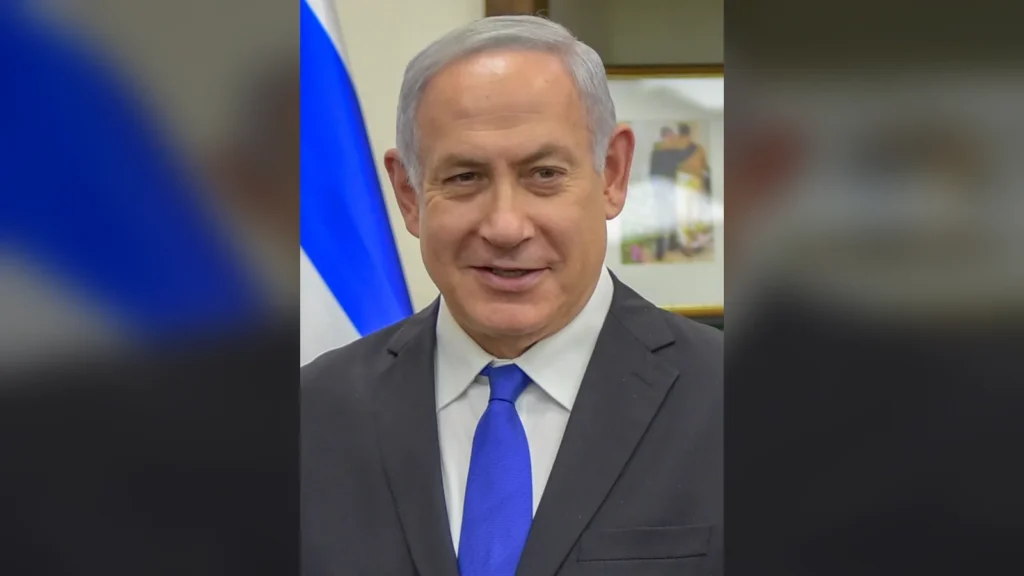
NEW YORK — Israeli Prime Minister Benjamin Netanyahu delivered a defense of Israel’s military operations across the Middle East during his address to the United Nations General Assembly on Friday, September 25, 2026. The speech, delivered amidst heightened diplomatic tension, was interrupted by a visible walkout by a bloc of delegates from various member states who objected to the framing of Israel’s regional security posture.
Protest and Diplomatic Friction
The walkout occurred shortly after Netanyahu began outlining the strategic rationale behind Israel’s recent military engagements. Delegates from several nations, including representatives from the Arab League and non-aligned movements, exited the General Assembly hall in a coordinated display of dissent. The protest underscored the deepening divide within the UN body regarding the conduct of the ongoing conflicts in the region. Security personnel monitored the exits as the delegates left, ensuring the remainder of the session proceeded without further disruption.
Netanyahu continued his address to the remaining delegates, emphasizing that Israel’s actions were defensive measures necessitated by existential threats from hostile actors. He detailed the operational objectives of the military campaigns, arguing that the destruction of specific infrastructure and the neutralization of militant leadership were essential to restoring stability. The Prime Minister rejected accusations of disproportionate force, stating that Israel had adhered to international humanitarian law while targeting combatants and their command structures.
Strategic Context and Regional Implications
The address comes at a critical juncture in the broader Middle East conflict, which has expanded beyond the initial borders of the Gaza Strip to include significant engagements in Lebanon and other regional theaters. International observers have noted that the UN General Assembly has become a primary arena for diplomatic confrontation, with member states using the platform to articulate their positions on the humanitarian crisis and the legality of military operations. The walkout by delegates reflects the growing frustration among many nations with what they perceive as a lack of accountability for civilian casualties and the prolonged nature of the hostilities.
Netanyahu’s speech also touched upon the diplomatic landscape, referencing recent negotiations and the role of international mediators. He asserted that Israel remained committed to diplomatic solutions but insisted that security guarantees must be a prerequisite for any lasting peace agreement. The Prime Minister highlighted the support of key Western allies while acknowledging the criticism from other parts of the world. He called for a unified international response to what he described as the aggressive expansion of hostile forces in the region.
Reactions and Aftermath
Following the speech, reactions from various governments were swift. Several nations issued statements reaffirming their support for Israel’s right to self-defense, while others condemned the military actions and called for an immediate ceasefire. The United Nations Secretary-General, in a subsequent briefing, urged all parties to exercise restraint and engage in constructive dialogue. The Secretary-General emphasized the need for a humanitarian pause to allow for the delivery of aid to affected populations.
The incident at the UN General Assembly highlights the challenges facing the international body in managing deep-seated geopolitical conflicts. The walkout by delegates serves as a stark reminder of the lack of consensus on the path forward in the Middle East. As the General Assembly continues its session, diplomats are expected to engage in bilateral meetings to explore potential avenues for de-escalation. The outcome of these discussions will be closely watched by the international community, which remains concerned about the potential for further escalation in the region.
Primary Sources & Official Records
- Netanyahu defends Israeli military action as delegates walk out before UN speech
- Netanyahu defends Israeli military action as delegates walk out before UN speech – BBC
- UN delegates walk out at Netanyahu defends Israeli military action – africanews.com
- Delegates walk out as Netanyahu defends Israel’s regional wars in UN address – Middle East