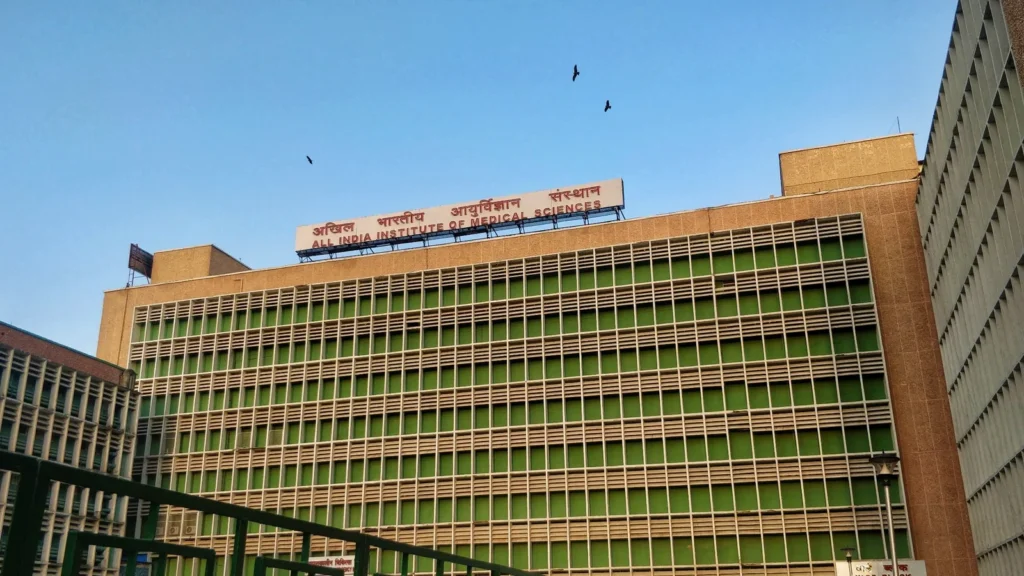
NEW DELHI — The Centre has announced a new policy on NEET‑SS seats that will open a number of additional seats for the upcoming admission cycle, according to a press release issued on 27 September 2026. The decision, made by the Ministry of Health and Family Welfare, is part of a broader effort to increase access to postgraduate medical education across the country.
Policy Details and Implementation Timeline
The new directive states that the National Board of Examinations (NBE) will be responsible for allocating the additional seats in accordance with the guidelines set out in the 2024 NEET‑SS framework. The seats will be made available for the 2027‑28 academic year, with the first batch of candidates expected to sit for the exam in early 2027. The policy will be published in the Gazette of India and will take effect from the start of the next academic session.
Scope of the Expansion
While the exact number of seats has not been disclosed, the Ministry confirmed that the expansion will cover a range of specialties, including internal medicine, surgery, pediatrics, and obstetrics‑gynecology. The policy also clarifies that the additional seats will be distributed among public and private medical colleges in proportion to their existing seat matrix, ensuring a balanced increase across the sector.
Rationale Behind the Move
In a statement released with the policy, the Ministry highlighted the persistent shortage of postgraduate medical specialists in rural and underserved districts. The expansion is intended to address this gap by providing more opportunities for students to pursue advanced training in high‑demand fields. The policy also aligns with the government’s 2025–26 National Health Policy, which calls for a 20% increase in the number of specialists by 2030.
Reactions from Stakeholders
Student associations across the country have welcomed the decision, citing the need for more seats to accommodate the growing number of NEET‑SS aspirants. The All India Students’ Association (AISA) noted that the expansion could reduce the pressure on existing seats and improve the overall quality of postgraduate training.
Conversely, several medical colleges have expressed concerns about the logistical challenges of integrating the new seats into their existing infrastructure. The Indian Medical Association (IMA) has called for a detailed implementation plan that addresses faculty recruitment, hostel accommodation, and clinical training facilities.
Future Steps and Oversight
The Ministry has indicated that it will monitor the rollout of the new seats through a joint task force comprising representatives from the NBE, the Ministry of Health and Family Welfare, and the Medical Council of India. The task force will review the allocation process quarterly and report any issues to the Ministry for corrective action.
In addition, the policy will be subject to periodic audits by the Comptroller and Auditor General to ensure that the additional seats are utilized effectively and that the allocation process remains transparent.