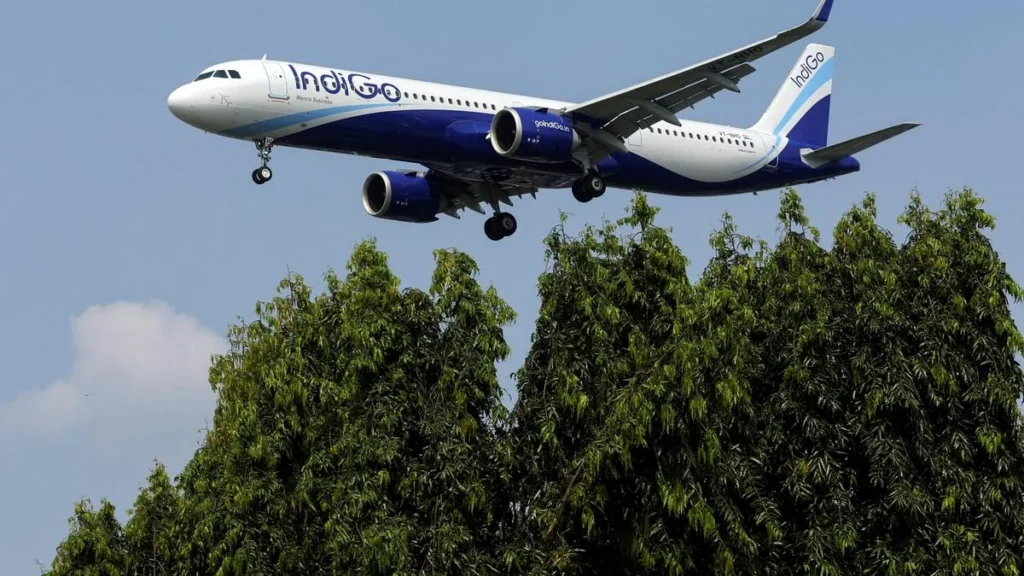
NEW DELHI — IndiGo’s domestic market share declined in August 2026 as the Air India Group captured a larger portion of the passenger base, according to industry data released this week. The shift marks a notable change in the competitive landscape of India’s aviation sector, where the private carrier had maintained a dominant position for several years. While overall domestic air passenger traffic contracted by 6.3% in August compared to the same period last year, the distribution of that traffic saw a measurable tilt toward the state-owned group.
Market Dynamics Shift
Industry analysts noted that the decline in IndiGo’s share was not driven by a specific operational failure but by a combination of increased capacity deployment by Air India Group and a broader slowdown in domestic travel demand. The Air India Group, which includes Air India and Vistara, has been aggressively expanding its fleet and route network following its merger and subsequent integration. This expansion has allowed the group to offer more competitive fares and increased frequency on key domestic corridors, directly challenging IndiGo’s stronghold.
IndiGo, which has historically commanded over 60% of the domestic market, saw its share dip below this threshold in August. The exact percentage decline was not specified in the initial data release, but the trend aligns with a broader pattern of market consolidation and increased competition. The company has not issued a public statement addressing the specific August figures, citing that monthly fluctuations are part of normal business cycles.
Passenger Traffic Decline
The overall 6.3% drop in domestic air passenger traffic in August 2026 reflects a seasonal slowdown and potential macroeconomic headwinds. Analysts pointed to rising fuel costs and increased operational expenses as factors that may have dampened consumer demand for air travel. Additionally, the shift in consumer preferences toward more affordable options, facilitated by the Air India Group’s pricing strategies, contributed to the redistribution of market share.
SpiceJet, another major domestic carrier, also reported a decline in its market share during the same period. The airline has faced significant financial and operational challenges in recent years, including fleet modernization issues and route rationalization. The combined effect of these factors has created a more fragmented competitive environment, with no single carrier holding an overwhelming advantage.
Industry Response
Aviation industry stakeholders have called for a more stable regulatory environment to support sustainable growth. The Directorate General of Civil Aviation (DGCA) has emphasized the importance of safety and operational efficiency, urging all carriers to adhere to strict compliance standards. The government has also signaled its intent to support the aviation sector through infrastructure development and policy reforms, aiming to boost domestic connectivity and reduce costs.
Experts noted that the current market dynamics are likely to remain volatile in the near term, with further shifts in market share expected as carriers adjust their strategies. The integration of Air India Group’s operations is still ongoing, and its full impact on the market has yet to be realized. IndiGo, meanwhile, is focusing on fleet expansion and route optimization to maintain its competitive edge.
Primary Sources & Official Records
- IndiGo’s market share slips in August as Air India Group gains
- Share Market Today: Nifty 50, Bank Nifty | Sep 22, 2026 – blog.liquide.life
- India’s air passenger traffic falls 6.3% in August; SpiceJet share slips – Daijiworld
- The Crown Slips: How BMW Broke Mercedes-Benz’s Decade-Long Grip on India’s Luxury Car Mark