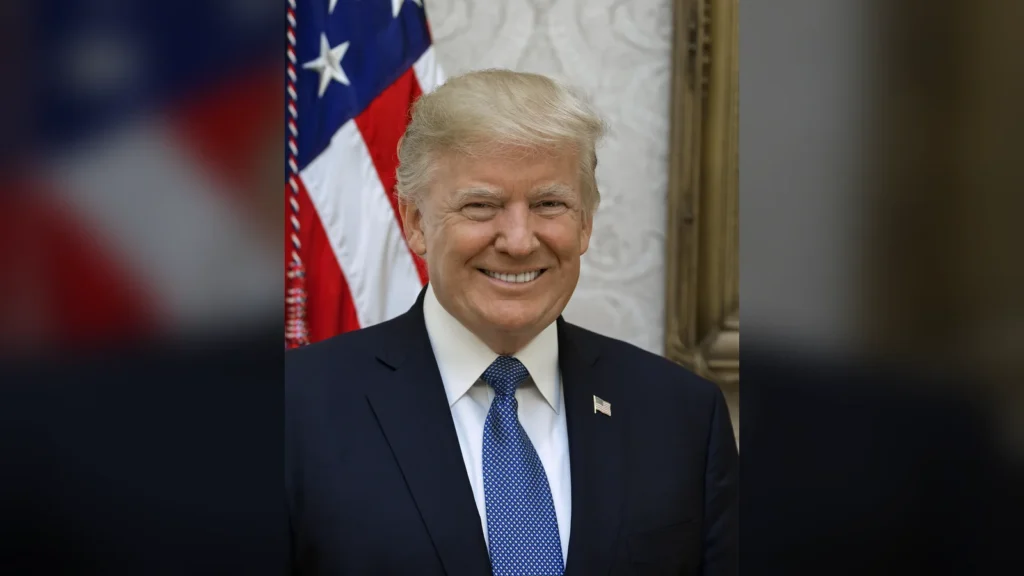
WASHINGTON — Iran’s foreign minister said on Tuesday that only a negotiated settlement can resolve the standoff over the Strait of Hormuz after former U.S. President Donald Trump rejected a proposal to reopen the waterway, according to reports from multiple news agencies.
Negotiations stalled as U.S. policy shifts
Hossein Amir‑Abdollahian, Iran’s foreign minister, reiterated Tehran’s position that diplomatic dialogue is the sole path to de‑escalation. He made the remarks following a brief statement released to the press, in which he described the U.S. rejection as a setback to regional stability.
The United States had reportedly offered a framework that would allow commercial vessels to transit the Hormuz Strait while imposing conditions aimed at curbing Iran’s regional activities. The proposal, circulated among senior officials in late August, called for a phased lifting of sanctions in exchange for Iran’s commitment to cease attacks on shipping and to limit its missile deployments in the Gulf.
According to a BBC article published on 27 September 2026, Trump dismissed the plan as “unacceptable” and “not in America’s best interest.” The former president’s comments were relayed by senior White House aides, though no formal written response from the administration was released.
Iran’s response, as outlined in the minister’s statement, emphasized that the rejection leaves the region in a “deadlock” that can only be broken through direct talks. He warned that continued impasse could increase the risk of accidental clashes in one of the world’s busiest maritime chokepoints, where roughly 20 percent of global oil shipments pass daily.
U.S. officials declined to comment on Trump’s remarks, citing the former president’s status as a private citizen. A spokesperson for the State Department reiterated that the United States continues to support a diplomatic resolution but did not address the specifics of the rejected proposal.
Analysts cited by Hindustan Times noted that the Trump administration’s stance diverges from the approach taken by the current U.S. government, which has been pursuing back‑channel talks with Tehran since early 2025. The shift, they argue, could complicate ongoing multilateral efforts led by the European Union and the United Nations to secure a lasting arrangement for Hormuz traffic.
TradingView’s coverage highlighted that the rejection may have immediate market implications. The price of Brent crude rose 1.2 percent on the day after the statement, reflecting investor concerns over potential supply disruptions. Shipping firms have also warned of higher insurance premiums for vessels transiting the Gulf, citing the heightened geopolitical risk.
Iranian officials have previously warned that any attempt to force the reopening of the strait without a negotiated settlement could be met with “proportionate” measures. While no new military actions have been reported, the Iranian Revolutionary Guard Corps (IRGC) continues to patrol the waters, and recent satellite imagery shows increased naval activity near the Iranian coastline.
International bodies have called for restraint. The United Nations Secretary‑General’s office issued a brief statement urging all parties to “avoid actions that could further destabilise a critical maritime corridor.” The statement did not reference the Trump comment directly but reiterated the UN’s long‑standing position that dialogue remains the preferred mechanism for conflict resolution.
In Tehran, the foreign ministry’s press office confirmed that it will seek to re‑engage with U.S. counterparts through diplomatic channels, but it did not specify a timeline for renewed talks. The ministry also indicated that Iran remains open to multilateral frameworks that include regional stakeholders such as the Gulf Cooperation Council (GCC) and the European Union.
Stakeholders in the global oil market are closely monitoring the situation. Analysts at major energy firms warned that any prolonged closure of the strait could shave up to 1 million barrels per day from global supply, potentially pushing prices higher and affecting economies dependent on oil imports.
Primary Sources & Official Records
- Iranian minister says only negotiation can end conflict after Trump rejects Hormuz deal
- Iranian minister says only negotiation can end conflict after Trump rejects Hormuz deal –
- Iran Says ‘Only A Negotiated Solution’ Can Get US Out Of The Deadlock After Trump Rejects
- ‘Only negotiated solution can end deadlock’: Iran as Trump rejects peace plan | World News