WASHINGTON — Iran’s foreign minister said only a negotiated solution can end the standoff over the Strait of Hormuz after former President Donald Trump rejected a seven‑day roadmap to reopen the vital waterway. The move follows a series of diplomatic exchanges that have kept the region’s oil traffic at a standstill since early 2026.
US‑Iran standoff over Hormuz
The Strait of Hormuz, through which about 20% of the world’s oil passes, has been a flashpoint since the United States imposed sanctions on Iran’s oil exports in 2023. The U.S. has threatened to close the strait to Iranian vessels if Tehran does not comply with a series of diplomatic demands, including the removal of its ballistic missile program and the lifting of sanctions on its nuclear activities.
In a statement released on 26 September, the United States Department of State said it had reviewed the seven‑day roadmap proposed by Iran but found it insufficient to address the security concerns that underpin the sanctions regime. The proposal, which called for a phased reopening of the strait, was dismissed by Trump, who has been vocal about the need for a more stringent approach to Iran’s regional behavior.
Trump’s rejection of the roadmap
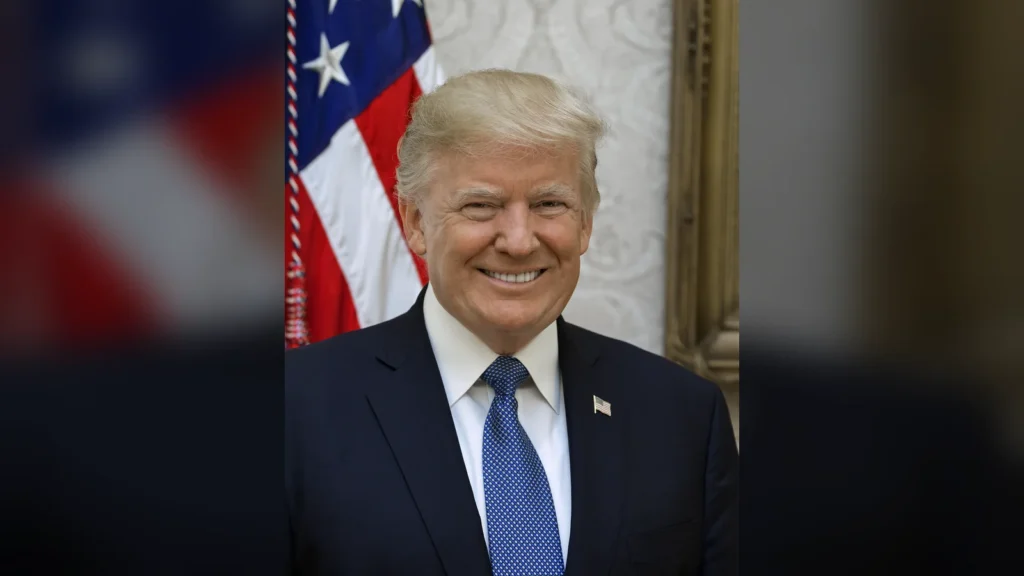
According to Al Jazeera, Trump rejected the roadmap on 26 September, citing the need for a “comprehensive approach” that would also address Iran’s missile program. The former president’s statement was issued through a social media post that was later shared by several U.S. political commentators. The rejection was not accompanied by a formal statement from the current U.S. administration, which has not yet released a detailed response.
Iran’s call for negotiations
Iran’s foreign minister, in a televised address on 27 September, said that “only a negotiated solution can bring an end to the conflict.” The minister added that the Iranian government remains open to dialogue but warned that unilateral actions by the United States would only prolong the deadlock. The statement was reported by BBC and TradingView, both of which noted that the minister’s remarks came after the Trump rejection of the roadmap.
Implications for global oil markets
Oil analysts have warned that any further escalation could push prices higher. The International Energy Agency (IEA) noted that a prolonged closure of the strait would affect global supply chains, especially for countries that rely on Iranian crude. The United Nations has called for a “peaceful resolution” to the dispute, urging both sides to engage in constructive dialogue.
Regional reactions
Saudi Arabia and the United Arab Emirates, both major oil exporters, have expressed concern over the potential for a wider conflict. The Gulf Cooperation Council (GCC) has called for a multilateral approach to resolve the issue, citing the importance of maintaining stability in the Persian Gulf. Meanwhile, the European Union has urged the United States to consider diplomatic avenues that could prevent a further deterioration of the situation.
Future prospects
Analysts say that the next steps will depend on the U.S. administration’s willingness to engage with Iran’s proposals. The Iranian government has indicated that it will continue to push for negotiations, while the United States has reiterated its commitment to a “no‑proliferation” stance. The situation remains fluid, with both sides preparing for potential diplomatic or military escalations.
Primary Sources & Official Records
- Iranian minister says only negotiation can end conflict after Trump rejects Hormuz deal
- Iranian minister says only negotiation can end conflict after Trump rejects Hormuz deal –
- Iran Says ‘Only A Negotiated Solution’ Can Get US Out Of The Deadlock After Trump Rejects
- Trump rejects Iran’s seven-day roadmap to end war and reopen Hormuz – Al Jazeera