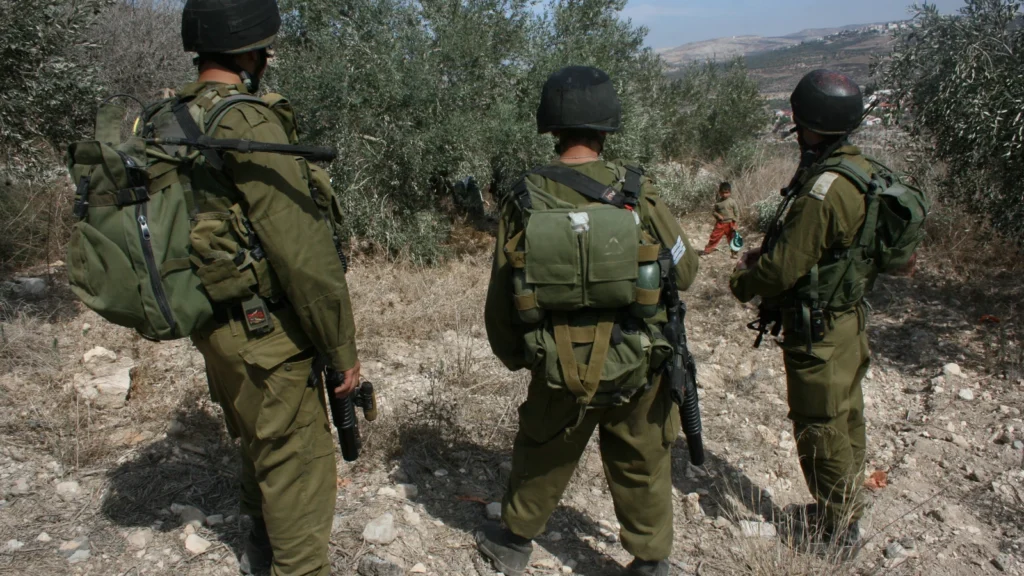
RAMALLAH — Israeli military forces bulldozed and uprooted hundreds of mature Palestinian-owned olive trees in agricultural tracts near Ramallah in the central West Bank in operations that commenced on Monday, days ahead of the annual autumn harvest season, according to Palestinian landowners, municipal authorities, and international monitors.
Operations Near Ramallah Ahead of Harvest
The land clearance operation unfolded across rural farmland in the Ramallah governorate, where military bulldozers and heavy earthmoving excavators were deployed beginning Monday morning to clear groves of cultivated olive trees. Farming families reported that tractors and military engineering units uprooted productive trees without prior judicial notice or administrative expropriation orders, levelling agricultural parcels that have sustained local communities for decades.
The annual olive harvest represents a vital economic lifeline and cultural cornerstone for Palestinian rural communities across the West Bank, typically running from late September through November. Olive oil production accounts for a substantial share of agricultural output in the territory, supporting more than 80,000 households either directly or through related milling and distribution commerce.
Agricultural Losses and Economic Fallout
Agrarian monitors noted that replacing mature olive trees is extraordinarily costly and time-intensive, as newly planted saplings require up to fifteen years to reach commercial yield. The uprooting of established orchards eliminates both immediate seasonal revenue and multi-year productive capital for affected farming families, compounding the broader economic pressures facing rural communities across the West Bank.
Human rights monitors and agricultural advocacy groups have documented recurrent patterns of tree uprooting and land levelling along areas adjacent to military corridors and settlement perimeters. International humanitarian organizations have repeatedly cited Article 53 of the Fourth Geneva Convention, which prohibits the destruction of real or personal property belonging to individuals or communities in occupied territories except where rendered absolutely necessary by military operations.
Calls for Accountability and Resource Protection
Local village councils and agricultural cooperatives have submitted urgent appeals to international humanitarian bodies and diplomatic missions in Jerusalem and Ramallah, calling for independent site inspections, documentation of property damage, and legal mechanisms to safeguard agricultural land during the harvest period.