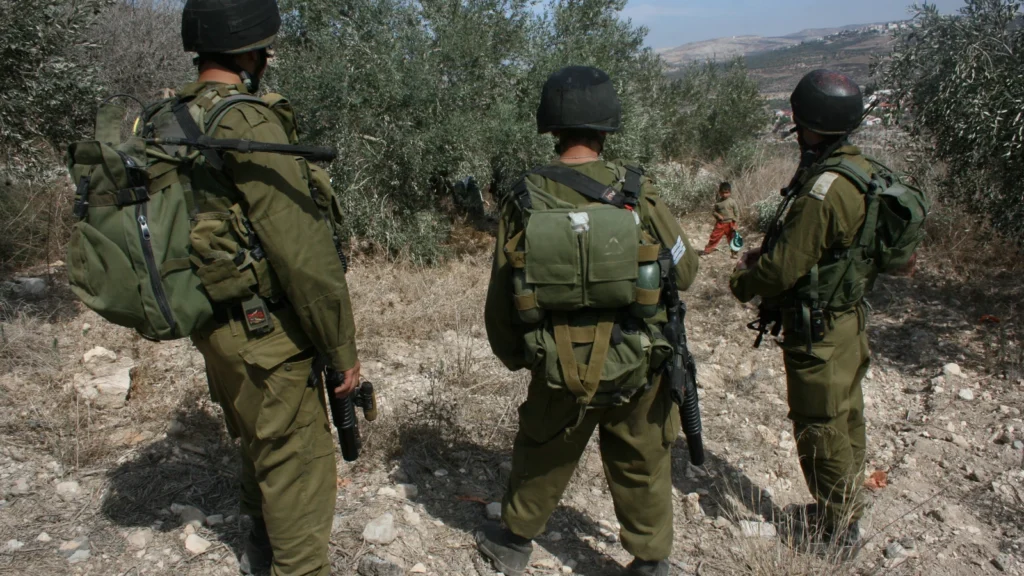
RAMALLAH — Israeli military forces bulldozed and uprooted dozens of mature Palestinian-owned olive trees in the West Bank on Thursday, days before the start of the annual harvest season, local residents and independent monitors reported.
The destruction occurred in the northern West Bank, where heavy machinery was deployed to clear agricultural land. Witnesses described the operation as systematic, with excavators removing trees that had been cultivated for decades. The timing of the incident, occurring just before the traditional harvest period, has drawn immediate attention from international observers and human rights organizations.
“They uprooted it all,” said a local farmer whose land was affected, describing the scene as one of total agricultural loss. The olive tree is a central symbol of Palestinian identity and sustenance, with many groves representing generations of family labor and heritage. The destruction of these trees not only causes immediate economic damage but also disrupts the cultural and agricultural continuity of the region.
Israeli military spokespersons have not issued a detailed public statement regarding the specific incident as of this report. In previous similar operations, the Israeli Defense Forces (IDF) have cited security concerns, including the removal of structures or vegetation deemed to obstruct military operations or pose a threat to nearby settlements. However, no specific security justification was provided for the Thursday destruction.
The annual olive harvest is a critical economic activity for Palestinian farmers in the West Bank. The season typically begins in late September and continues through October. The destruction of trees ahead of this period means that families will lose not only the current year’s yield but also the long-term productive capacity of their land. Olive oil production is a significant contributor to the Palestinian economy, with exports serving both domestic and international markets.
International organizations, including the United Nations and various non-governmental human rights groups, have consistently documented incidents of agricultural destruction in the West Bank. These groups argue that such actions violate international humanitarian law, which protects civilian property and agricultural resources. The United Nations Relief and Works Agency (UNRWA) and other aid agencies have called for an immediate investigation into the incident and accountability for those responsible.
Local authorities in the West Bank have condemned the action, describing it as part of a broader pattern of land confiscation and displacement. Palestinian officials have urged the international community to intervene and protect the rights of farmers and their land. The incident has also sparked protests in nearby villages, with residents gathering to document the damage and demand compensation.
The economic impact of the destruction is significant. Mature olive trees can take up to 20 years to reach full productivity, and their replacement is costly and time-consuming. The loss of these trees represents a substantial financial blow to the affected families, many of whom rely on olive oil production as their primary source of income. Additionally, the destruction of agricultural land exacerbates the already strained economic conditions in the West Bank, where unemployment rates remain high and access to resources is limited.
International observers have noted that the timing of the incident, just before the harvest, raises questions about the intent behind the operation. Some analysts suggest that the destruction may be aimed at discouraging Palestinian agricultural activity in the area, while others point to security concerns as the primary motivation. However, without a clear public statement from the Israeli military, the exact reasons for the operation remain unclear.
The incident has also drawn attention to the broader issue of land use and resource allocation in the West Bank. The region is characterized by a complex mix of Israeli settlements, Palestinian communities, and military-controlled areas. The destruction of Palestinian-owned land has been a recurring point of contention, with both sides citing different legal and historical claims. International law, including the Fourth Geneva Convention, prohibits the destruction of property unless it is absolutely necessary for military operations, and even then, such actions must be proportionate and justified.
As the harvest season approaches, the focus will remain on the impact of the incident on local farmers and the broader agricultural sector. Human rights organizations are calling for an independent investigation to determine the circumstances of the destruction and to hold those responsible accountable. The international community is also urged to provide support to affected families and to advocate for the protection of Palestinian agricultural resources.
The destruction of the olive groves serves as a stark reminder of the ongoing challenges faced by Palestinians in the West Bank, where access to land and resources remains a critical issue. The incident underscores the need for a comprehensive resolution to the conflict that addresses the rights of all parties and ensures the protection of civilian property and agricultural heritage.