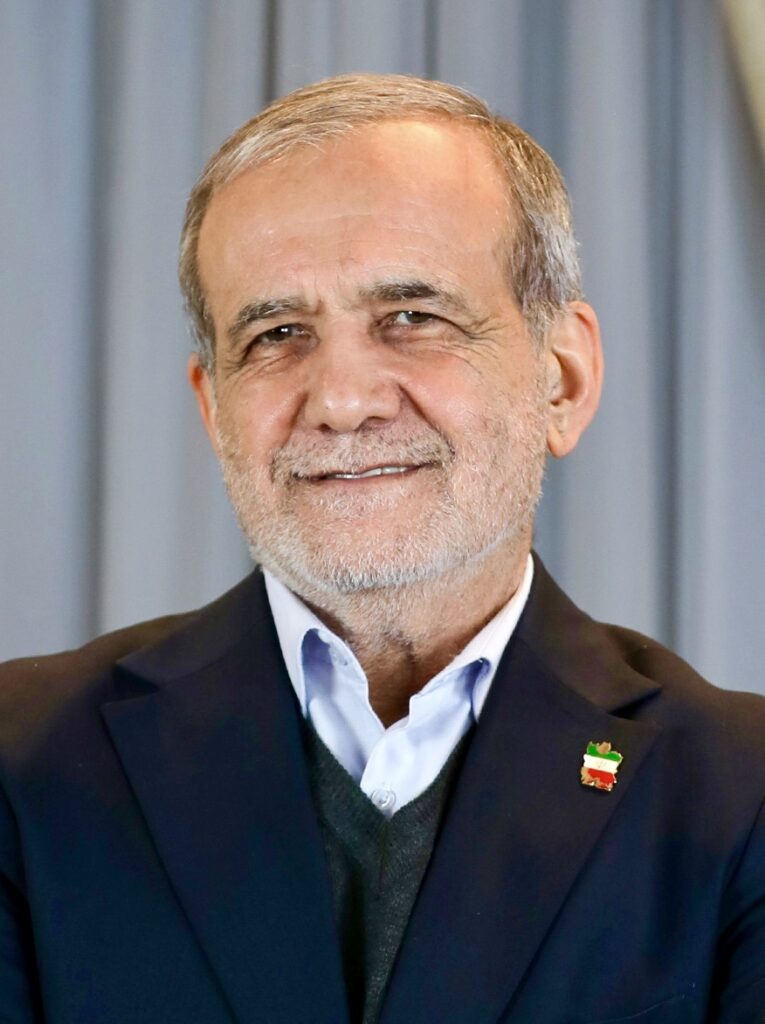
NEW YORK — Iranian President Masoud Pezeshkian arrived in New York on Tuesday, September 22, to attend the 81st session of the United Nations General Assembly, marking the first time a head of state from a country in active military conflict with the United States has set foot in U.S. territory for a diplomatic gathering. The arrival underscores the unique legal and diplomatic status of the United Nations headquarters, which mandates the admission of official delegations from all member states, regardless of bilateral political relations or ongoing hostilities.
The Iranian delegation’s presence in the United States is strictly limited to the UN complex and associated diplomatic venues. U.S. authorities have not signaled any warming of relations or a cessation of hostilities. Instead, the visit is a procedural necessity driven by Iran’s status as a UN member state. Pezeshkian’s movements within New York are subject to strict security protocols and restrictions, ensuring that the visit remains confined to the diplomatic sphere without facilitating broader political engagement or public appearances outside the UN framework.
Legal Obligations and Diplomatic Protocol
Under the Convention on the Privileges and Immunities of the United Nations, the United States, as the host country, is required to admit official delegations from UN member states. This obligation persists even when the host nation and the visiting state are engaged in armed conflict. The U.S. State Department has historically maintained that the UN headquarters is a neutral zone for diplomatic purposes, distinct from the broader geopolitical context. Consequently, the Iranian delegation’s entry into the United States does not constitute a normalization of relations or a diplomatic breakthrough. It is a fulfillment of international legal obligations tied to UN membership.
Security arrangements for the Iranian delegation have been heightened. U.S. intelligence and law enforcement agencies have coordinated with UN security forces to monitor the delegation’s movements. Reports indicate that the Iranian officials are restricted to the UN headquarters building and designated diplomatic hotels. Any travel beyond these areas requires explicit permission from U.S. authorities, which has not been granted for general tourism or unofficial meetings. This containment strategy aims to prevent the visit from being used for propaganda or unauthorized diplomatic contacts that could escalate tensions.
Context of Ongoing Hostilities
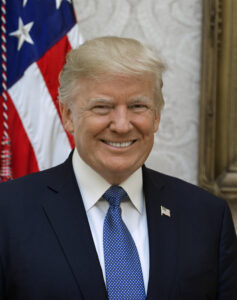
The arrival of Pezeshkian comes against the backdrop of an active war between the United States and Iran. In recent weeks, military exchanges have intensified, with both sides accusing the other of violating ceasefire agreements and engaging in aggressive actions. President Donald Trump has publicly stated that the U.S. is weighing options to either negotiate a deal or escalate military pressure, describing the situation as a critical juncture. In response, Iranian officials have warned that any new aggression would be met with retaliatory strikes using advanced weaponry in new locations.
Despite the hostile rhetoric, Pezeshkian has indicated a willingness to engage in diplomatic channels. In statements prior to his departure, he noted that continued war does not serve Iran’s interests and that Tehran remains open to negotiations. However, these remarks have not translated into a de-escalation of military actions. The U.S. and Iran have not resumed direct diplomatic talks, and the UN General Assembly serves as the primary forum for their indirect interactions. The presence of both delegations in New York has led to increased security measures and heightened diplomatic activity within the UN complex.
Security and Movement Restrictions
The Iranian delegation’s stay in New York is closely monitored. U.S. authorities have imposed strict travel restrictions, prohibiting the delegation from leaving the designated secure zones. This includes limitations on access to public spaces, media events, and unofficial diplomatic meetings. The UN has confirmed that the Iranian president will address the General Assembly during the high-level week, where he is expected to outline Iran’s position on the conflict and call for a ceasefire. The speech is anticipated to be a focal point of international attention, with both allies and adversaries of Iran closely monitoring his remarks.
Security personnel from both the U.S. and Iran have been deployed to ensure the safety of the delegation. The U.S. Secret Service and local police have increased patrols around the UN headquarters and the Iranian delegation’s hotel. Intelligence agencies have assessed the risk of potential threats, including cyberattacks and physical sabotage, and have implemented countermeasures. The Iranian side has also deployed its own security team, though their operations are limited by U.S. regulations. The coordination between the two security apparatuses is minimal, reflecting the lack of trust between the two nations.
International Reactions
The arrival of the Iranian president in the U.S. has drawn mixed reactions from the international community. Some diplomats have praised the adherence to UN protocols, emphasizing the importance of maintaining the integrity of the UN as a neutral forum. Others have expressed concern that the visit could be exploited for political gain, with Iran using the platform to garner international support for its position. The United Nations Secretary-General has called for restraint and dialogue, urging all parties to use the General Assembly as an opportunity to de-escalate tensions. However, no formal mediation efforts have been announced, and the focus remains on the scheduled speeches and bilateral meetings within the UN framework.
The U.S. government has maintained a low profile regarding the visit, with officials emphasizing that the admission of the Iranian delegation is a legal obligation and not a political statement. The White House has not commented on the potential for negotiations, leaving the door open for future diplomatic engagements. Meanwhile, Iranian media have highlighted the visit as a demonstration of Iran’s resilience and diplomatic standing, despite the ongoing conflict. The contrasting narratives underscore the complex dynamics of the U.S.-Iran relationship, where legal obligations and geopolitical realities intersect in a highly charged environment.