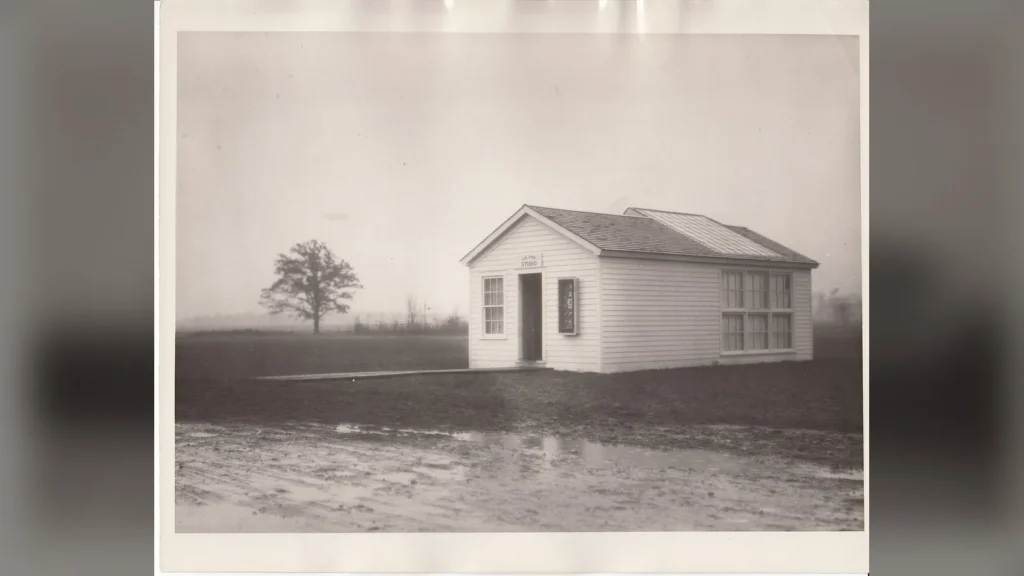
NEW DELHI — A photography studio in New Delhi is reviving the tintype process, a 19th-century photographic technique that relies on wet chemical reactions to produce images on thin sheets of iron. The studio, which operates in the capital, has dedicated its practice to the meticulous reproduction of this historical method, offering sitters a portrait experience that predates digital imaging by nearly two centuries.
The Chemistry of the Tintype
The tintype, also known as the ferrotype, was introduced in the United States in 1856 and became the dominant form of portrait photography in the mid-19th century. Unlike modern digital photography, which captures light through electronic sensors, the tintype process requires the photographer to coat a polished sheet of tin-plated iron with a light-sensitive solution of collodion. This solution, when mixed with iodine and bromine salts, becomes sensitive to light upon exposure to silver nitrate.
According to the studio’s practitioners, the process is inherently chemical and immediate. The plate must be exposed in a darkroom while still wet, hence the term “wet plate” photography. After exposure, the image is developed using a solution of gallic acid and fixed with sodium thiosulfate, a process that halts the chemical reaction and stabilizes the image. The final product is a monochrome image with a distinctive sepia or brownish tone, where the highlights appear as the bare metal of the plate and the shadows as the dark silver image.
Historical Context and Modern Revival
Tintype photography was widely used in the 1860s and 1870s for portraits, military records, and documentation of everyday life. Its popularity stemmed from its affordability and durability compared to the earlier daguerreotype process, which required a highly polished silver plate. By the late 19th century, the tintype was largely replaced by the albumen print and later the gelatin silver print, which offered greater tonal range and ease of reproduction.
In recent decades, a small but dedicated community of photographers has revived the tintype process as an art form. In India, this revival has gained traction among artists and historians interested in the materiality of early photography. The Delhi studio is part of this broader movement, emphasizing the tactile and chemical aspects of image-making. Practitioners note that the unpredictability of the wet plate process, where each image is unique and cannot be replicated, adds to its artistic value.
Practical Challenges and Artistic Intent
Working with tintype presents significant technical challenges. The photographer must prepare the plate, expose it, and develop it within a short window, often in a portable darkroom or a dedicated studio space. The chemicals used, including collodion and silver nitrate, require careful handling and disposal. The studio has implemented strict safety protocols to manage these materials, ensuring compliance with environmental and health regulations.
Artists associated with the studio describe the process as a return to the fundamentals of photography. They argue that the tintype’s direct connection between light, chemistry, and metal creates a physical object that carries the weight of history. For sitters, the experience is often described as immersive, requiring them to hold still for extended periods while the photographer prepares and processes the plate. The resulting image is not a digital file but a physical artifact, a piece of iron that holds a memory in metallic form.
Preservation and Education
Beyond creating new works, the studio is involved in the preservation and study of historical tintypes. Many early Indian tintypes, dating from the late 19th century, are held in museums and private collections. The studio collaborates with archivists to document and analyze these artifacts, using modern imaging techniques to study their condition and chemical composition. This work contributes to a better understanding of how early photography was practiced in India and the global context in which it developed.
The studio also offers workshops and demonstrations, allowing the public to observe the wet plate process firsthand. These sessions provide insight into the historical techniques and the scientific principles behind them. By making the process visible, the studio aims to demystify early photography and highlight the role of chemistry in the creation of images.