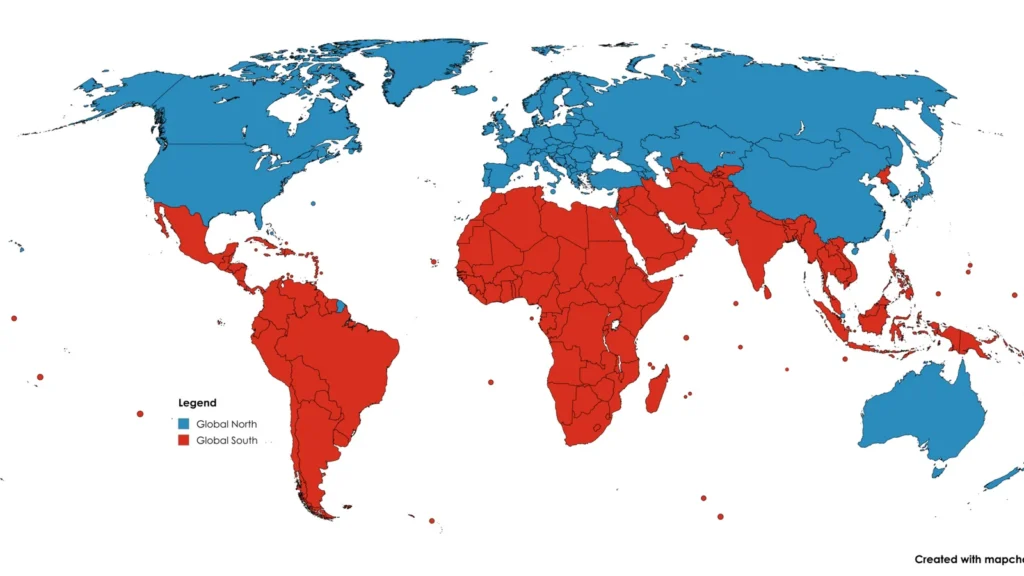
NEW DELHI — India assumed the rotating presidency of the BRICS bloc for 2026, convening the 18th BRICS Summit to address structural challenges in global trade, technology governance, and financial architecture. The gathering, held in New Delhi, brought together heads of state and government from Brazil, Russia, India, China, South Africa, and the expanded membership of Egypt, Ethiopia, Iran, and the United Arab Emirates. The central agenda focused on strengthening the collective voice of the Global South in international institutions and accelerating cooperation in emerging technology sectors.
The summit’s primary objective was to finalize a framework for enhanced trade facilitation among member states. Officials emphasized the need to reduce non-tariff barriers and streamline customs procedures to boost intra-BRICS commerce. With global supply chains undergoing significant restructuring, the bloc sought to establish more resilient trade corridors that reduce dependence on traditional Western-led logistics networks. The discussions highlighted the importance of local currency settlement mechanisms to mitigate currency volatility and lower transaction costs for cross-border trade.
Technology emerged as a critical pillar of the summit’s deliberations. Leaders discussed the establishment of a joint BRICS digital infrastructure initiative, aimed at fostering collaboration in artificial intelligence, quantum computing, and 5G/6G network development. The focus was on ensuring that technological standards and data governance frameworks reflect the interests of developing nations. India proposed a collaborative research and development fund to support startups and innovation hubs across member countries, aiming to bridge the digital divide and promote inclusive technological growth.
Financial architecture reform was another key area of discussion. The summit addressed the role of the New Development Bank (NDB) in financing sustainable development projects. Leaders endorsed a strategy to expand the NDB’s lending capacity and diversify its investment portfolio to include green energy, digital infrastructure, and healthcare. There was a consensus on the need to develop alternative payment systems that complement existing global financial networks, enhancing financial sovereignty for member states. The discussions also touched upon the integration of BRICS capital markets to facilitate cross-border investment and liquidity.
The Global South dimension of the summit was underscored by a commitment to multilateralism and equitable representation in global governance bodies. Leaders called for reforms in the United Nations Security Council and the International Monetary Fund to better reflect the economic realities of emerging markets. The summit issued a joint statement reaffirming the principle of sovereign equality and the right of nations to choose their own development paths. This stance was a direct response to perceived Western hegemony in international decision-making processes.
Energy security and climate action were also prominent topics. The bloc agreed to accelerate the transition to renewable energy sources while ensuring energy security for its members. A joint BRICS energy cooperation framework was outlined, focusing on solar, wind, and hydrogen technologies. The summit emphasized the need for climate finance mechanisms that are accessible and affordable for developing countries, addressing the gap between commitments and actual funding flows.
India’s presidency of BRICS in 2026 is seen as a strategic opportunity to position the country as a leader of the Global South. The summit’s outcomes are expected to influence future trade negotiations and technological partnerships. The focus on de-dollarization and alternative financial systems signals a growing desire among emerging economies to reduce their reliance on the U.S. dollar in international transactions. This shift could have significant implications for global financial stability and the balance of power in international economics.
The 18th BRICS Summit concluded with a declaration that outlined specific action plans for trade, technology, and financial cooperation. The next summit is scheduled to be hosted by the subsequent rotating president, with preparations already underway to build on the momentum generated in New Delhi. The summit’s emphasis on practical cooperation and institutional reform marks a maturation of the BRICS bloc from a political forum to a more substantive economic and technological alliance.