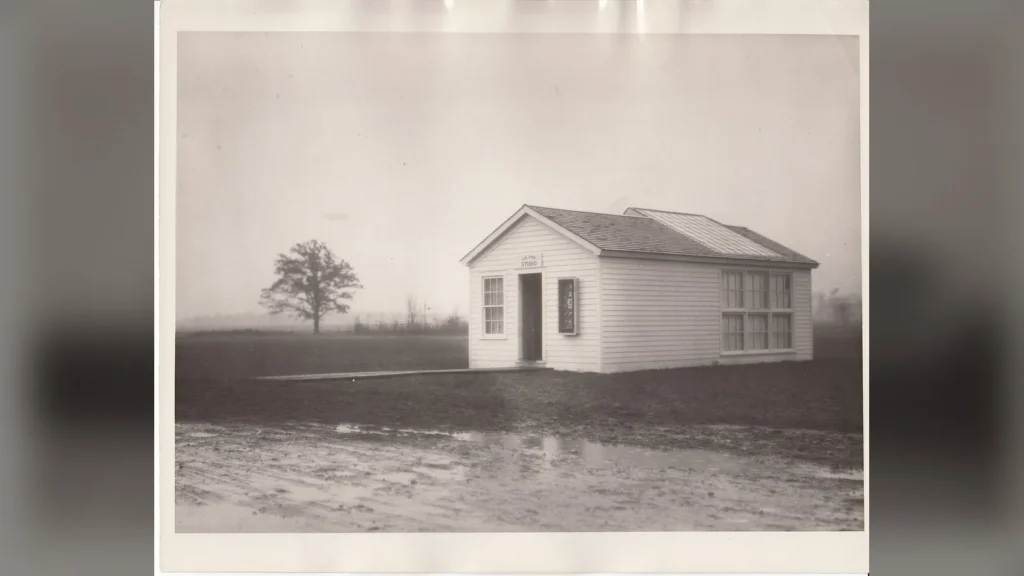
NEW DELHI — A photography studio in New Delhi is reviving the tintype process, a 19th-century photographic technique that relies on wet chemical reactions to produce images on thin sheets of iron. The studio, which operates in the capital, has dedicated its practice to the meticulous reproduction of this historical method, offering sitters a portrait experience that predates digital imaging by nearly two centuries.
The Chemistry of the Tintype
The tintype, also known as the ferrotype, was introduced in the United States in 1856 and became the dominant form of portrait photography in the mid-19th century. Unlike modern digital photography, which captures light through electronic sensors, the tintype process requires the photographer to coat a polished sheet of tin-plated iron with a light-sensitive solution of collodion. This solution, when mixed with iodine and bromine salts, becomes sensitive to light upon exposure to silver nitrate.
According to the studio’s practitioners, the process is inherently chemical and immediate. The plate must be exposed in a darkroom while still wet, hence the term “wet plate” photography. After exposure, the image is developed using a solution of gallic acid and fixed with sodium thiosulfate, a process that halts the chemical reaction and stabilizes the image. The final product is a monochrome image with a distinctive sepia or brownish tone, where the highlights appear as the bare metal of the plate and the shadows as the dark silver image.
Historical Context and Modern Revival
Tintype photography was widely used in the 1860s and 1870s for portraits, military records, and documentation of everyday life. Its popularity stemmed from its affordability and durability compared to the earlier daguerreotype process, which required a highly polished silver plate. By the late 19th century, the tintype was largely replaced by the albumen print and later the gelatin silver print, which offered greater tonal range and ease of reproduction.
In recent decades, a small but dedicated community of photographers has revived the tintype process as an art form. In India, this revival has gained traction among artists and historians interested in the materiality of early photography. The Delhi studio is part of this broader movement, emphasizing the tactile and chemical aspects of image-making. Practitioners note that the unpredictability of the wet plate process, where each image is unique and cannot be replicated, adds to its artistic value.
व्यावहारिक चुनौतियाँ और कलात्मक उद्देश्य
टिंटाइप के साथ कार्य करना महत्वपूर्ण तकनीकी चुनौतियाँ प्रस्तुत करता है। फोटोग्राफर को प्लेट तैयार करनी होती है, उसे एक्सपोज़ करना होता है और एक संक्षिप्त समयावधि में विकसित करना होता है, अक्सर पोर्टेबल डार्करूम या समर्पित स्टूडियो स्थान में। उपयोग की जाने वाली रसायन, जैसे कोलॉडियन और सिल्वर नाइट्रेट, को सावधानीपूर्वक संभालना और निपटान करना आवश्यक है। स्टूडियो ने इन सामग्रियों के प्रबंधन के लिए कड़े सुरक्षा प्रोटोकॉल लागू किए हैं, जिससे पर्यावरणीय और स्वास्थ्य नियमों का पालन सुनिश्चित होता है।
स्टूडियो से जुड़े कलाकार इस प्रक्रिया को फोटोग्राफी के मूलभूत सिद्धांतों की ओर वापसी के रूप में वर्णित करते हैं। वे तर्क देते हैं कि टिंटाइप का प्रकाश, रसायन और धातु के बीच प्रत्यक्ष संबंध एक भौतिक वस्तु बनाता है जो इतिहास का भार वहन करती है। सत्र में भाग लेने वाले व्यक्तियों के लिए यह अनुभव अक्सर गहन बताया जाता है, जिसमें उन्हें फोटोग्राफर के प्लेट तैयार करने और प्रोसेस करने के दौरान विस्तारित अवधि तक स्थिर रहना पड़ता है। परिणामी छवि डिजिटल फ़ाइल नहीं बल्कि एक भौतिक कलाकृति है, एक लोहे का टुकड़ा जो धात्विक रूप में स्मृति को संजोता है।