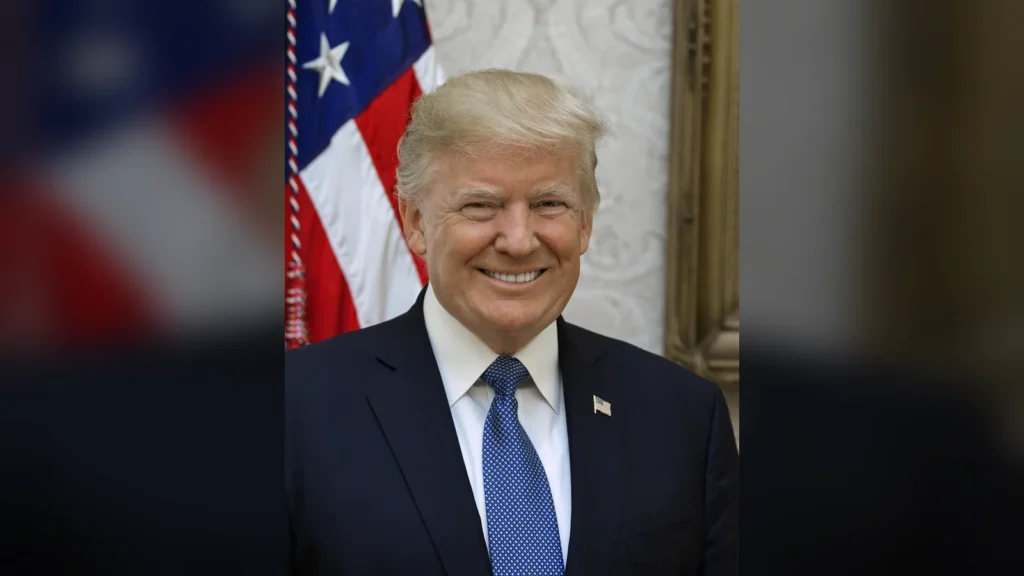
WASHINGTON — The administration of U.S. President Donald Trump faced renewed legal scrutiny on Monday as federal courts in multiple jurisdictions began reviewing the scope of recent executive orders issued in the latter half of 2026. The legal challenges, filed by a coalition of state attorneys general and civil liberties organizations, question the statutory authority behind several federal regulatory changes implemented over the past six months. The White House press office issued a brief statement asserting that the executive branch is acting within its constitutional powers to streamline federal operations and enforce existing federal law.
Judicial Review and Statutory Limits
Legal analysts noted that the current disputes center on the interpretation of the Administrative Procedure Act and the separation of powers doctrine. Unlike previous administrations, the current legal strategy involves direct challenges to the procedural validity of rulemaking processes rather than solely contesting the substantive policy outcomes. Federal judges in the District of Columbia and the Ninth Circuit have scheduled initial hearings for October, with preliminary injunctions pending in two of the five active cases. The Department of Justice has filed motions to dismiss, arguing that the plaintiffs lack standing and that the executive orders are ministerial in nature. Court documents indicate that the administration is relying on precedents established in the 1980s and 1990s regarding executive authority in foreign affairs and domestic security, though critics argue these precedents do not extend to the specific regulatory areas currently under review.
Political and Institutional Context
The legal battles arrive at a time of heightened political polarization in the United States, with midterm elections approaching in November 2026. Congressional Republicans have largely supported the executive actions, with the House Judiciary Committee releasing a report in August affirming the legality of the recent regulatory changes. Conversely, the Senate Democratic caucus has introduced a resolution to censure the administration, citing what they describe as an overreach of executive power. The institutional response has been mixed, with several federal agencies pausing implementation of specific rules pending the court rulings, while others continue to enforce the directives. The Office of Management and Budget has stated that it will coordinate with the Department of Justice to ensure compliance with any judicial orders, emphasizing the administration’s commitment to the rule of law.
International Repercussions
International observers have noted that the legal uncertainty surrounding U.S. regulatory frameworks may impact global trade agreements and diplomatic negotiations. The U.S. Department of State has maintained that the domestic legal proceedings will not affect the country’s international commitments, but trade partners in the European Union and Asia have expressed concern over potential disruptions to supply chains and regulatory harmonization efforts. The World Trade Organization has requested a briefing from the U.S. Trade Representative to clarify the status of several trade-related executive orders. Diplomatic sources indicate that the administration is prioritizing the resolution of these legal issues to avoid any perception of instability in U.S. governance. The legal outcomes are expected to set significant precedents for the balance of power between the executive and legislative branches in the coming years, with implications for future administrations regardless of party affiliation.