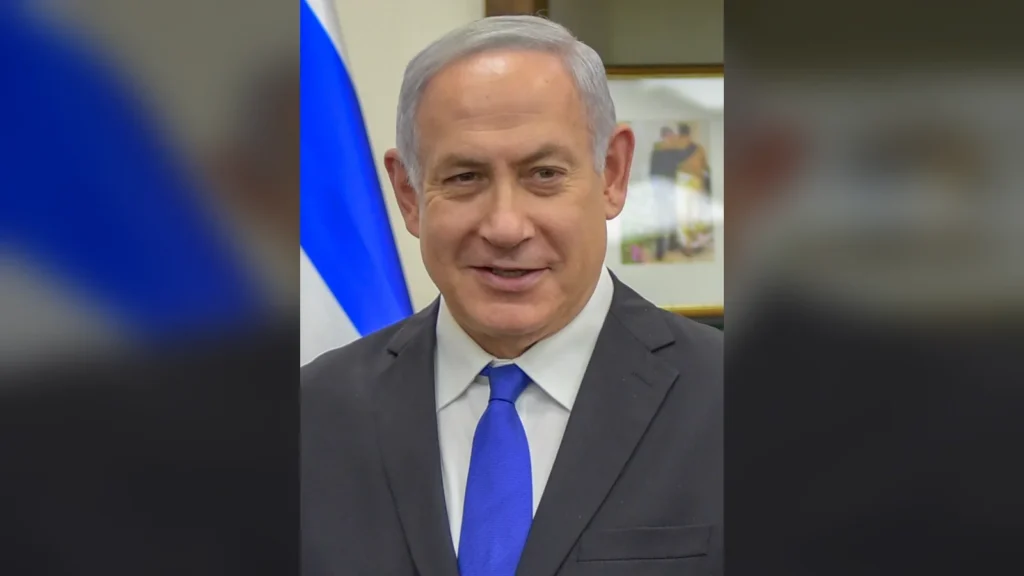
NEW YORK — Israeli Prime Minister Benjamin Netanyahu defended his government’s recent military operations in Gaza during a United Nations General Assembly meeting on 25 September, after which delegations from more than a dozen countries left the hall in protest.
Walkout reflects deepening diplomatic rift
Netanyahu told the assembly that Israel’s actions were aimed at neutralising militant threats and protecting civilian lives. He said the operations were conducted in accordance with international law and that Israel would continue to act decisively against groups it deemed hostile.
According to the United Nations, the walkout began moments before Netanyahu took the podium. Representatives from nations including South Africa, Brazil, Norway, and the United Arab Emirates exited the chamber, joining earlier departures by delegates from Malaysia and Qatar. The departures were recorded by the UN’s official transcript and reported by multiple news agencies.
Observers noted that the walkout was one of the largest in recent UN history. Africanews described the scene as “a coordinated protest by a coalition of states opposed to Israel’s regional wars,” while Middle East Monitor highlighted the symbolic timing, noting that the exit occurred before Netanyahu could deliver his remarks.
International reactions and diplomatic context
Western European governments expressed concern over the escalation of hostilities in the region but stopped short of joining the walkout. A spokesperson for the United Kingdom’s Foreign Office said the UK “recognises Israel’s right to self‑defence while urging all parties to protect civilians.” The United States, represented by Ambassador Linda Thomas‑Garcia, issued a statement affirming the US‑Israel partnership and calling for “a balanced approach that addresses security concerns and humanitarian needs.”
In contrast, the African Union’s permanent mission issued a brief note condemning what it called “disproportionate use of force” and called for an immediate ceasefire. The note was cited by Africanews as part of the broader criticism that fueled the walkout.
UN procedural response
The UN Secretary‑General’s office released a press advisory noting that the General Assembly would continue its agenda after the incident and that the walkout did not disrupt the scheduled order of business. No formal resolution was tabled on the matter during the session.
Legal analysts referenced the UN Charter’s provisions on the peaceful settlement of disputes, emphasizing that while member states are free to express dissent, the Charter does not prescribe penalties for walkouts.
Background on the Israeli operations
Netanyahu’s defence came amid intensified fighting in Gaza following a series of cross‑border attacks earlier in September. Israeli officials have said the operations targeted militant infrastructure and command centres. Humanitarian organisations, however, have warned of rising civilian casualties and displacement, a point underscored by the delegations that left the assembly.
Mid‑September also saw heightened tensions along Israel’s northern border with Lebanon, where Israeli forces reported air strikes against Hezbollah positions. The cumulative effect of these actions has drawn criticism from a broad coalition of states, many of which view the operations as exacerbating regional instability.
Potential diplomatic fallout
Political analysts caution that the walkout could signal a shift in multilateral support for Israel’s security policies. The coordinated nature of the protest suggests a growing willingness among non‑aligned and Western‑aligned nations to publicly challenge Israeli military decisions at the highest diplomatic forums.
For Israel, the incident underscores the challenge of balancing security imperatives with the need to maintain diplomatic goodwill. Netanyahu’s administration has indicated that it will continue to engage with international partners while pursuing its stated security objectives.
Primary Sources & Official Records
- Netanyahu defends Israeli military action as delegates walk out before UN speech
- Netanyahu defends Israeli military action as delegates walk out before UN speech – BBC
- UN delegates walk out at Netanyahu defends Israeli military action – africanews.com
- Delegates walk out as Netanyahu defends Israel’s regional wars in UN address – Middle East