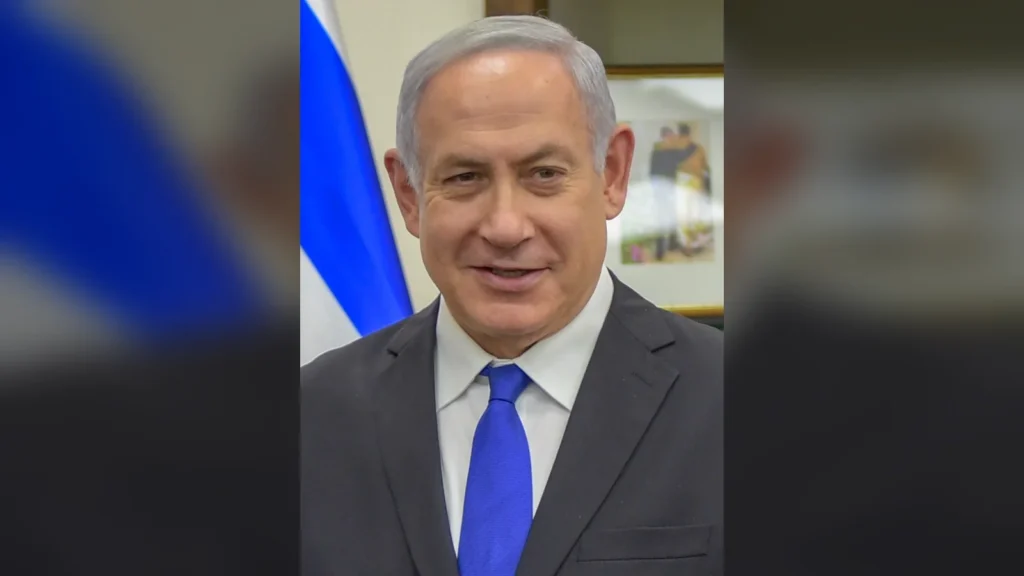
GENEVA — Israeli Prime Minister Benjamin Netanyahu defended Israel’s recent military operations in a speech to the United Nations on 25 September 2026, and a number of delegations left the chamber before he concluded.
Walk‑out follows contentious remarks
Netanyahu, speaking to the UN General Assembly’s high‑level debate, asserted that Israel’s actions were necessary to counter threats to its security. He referenced ongoing hostilities in the region and said the Israeli Defence Forces were acting within the bounds of international law.
According to the BBC, the prime minister’s remarks were met with audible protest, and representatives from several countries—including members of the African Union and the European bloc—exited the hall before the speech ended. Africanews reported that the walk‑out was coordinated among a group of delegations that objected to what they described as “unjustified aggression.”
Reactions from the United Nations
The UN Secretary‑General’s office issued a brief statement noting that the General Assembly “upholds the right of all member states to express their views” and that the walk‑out “does not impede the continuation of dialogue.” The statement did not single out any delegation.
Middle East Monitor added that the incident highlighted deep divisions within the UN over Israel’s recent campaigns, which have been the subject of multiple resolutions in the past year.
Background to the defence
Netanyahu’s defence came amid a series of escalations in the Gaza Strip and along Israel’s northern border, where cross‑border attacks have intensified since early 2026. Israeli officials have said that air strikes and ground operations were aimed at dismantling militant infrastructure and preventing further incursions.
Human‑rights groups, cited by the BBC, have called for independent investigations into alleged civilian casualties. The Israeli government, however, maintains that it conducts targeted operations and that civilian harm is minimized.
International diplomatic fallout
European Union foreign ministers, as reported by Africanews, expressed concern that the walk‑out could signal a “worsening of diplomatic relations” between the bloc and Israel. The African Union’s chairperson, in a separate press briefing, condemned the “use of force that disregards civilian protection” and urged the UN to adopt a resolution condemning the actions.
In Washington, the U.S. State Department released a statement affirming its “strong support for Israel’s right to self‑defence” while also urging “all parties to exercise maximum restraint and protect civilian lives.” The statement did not address the walk‑out directly.
Potential implications for UN proceedings
The walk‑out occurred during a scheduled slot for the General Assembly’s debate on “Peace and Security in the Middle East.” The agenda item is expected to be revisited in the coming weeks, with several member states indicating they will propose a resolution calling for a cease‑fire and an independent fact‑finding mission.
Analysts, quoted by Middle East Monitor, warned that the disruption could delay consensus‑building efforts and may lead to a more fragmented voting pattern on any forthcoming resolution.
Next steps
UN officials confirmed that the session will reconvene on 28 September to continue the debate. Netanyahu is slated to address the assembly again, though the Israeli government has not indicated whether the speech will be altered in response to the walk‑out.
Both the Israeli Foreign Ministry and the UN Secretariat have indicated that diplomatic channels remain open for dialogue, emphasizing the need for “constructive engagement” to resolve the underlying security concerns.
Primary Sources & Official Records
- Netanyahu defends Israeli military action as delegates walk out before UN speech
- Netanyahu defends Israeli military action as delegates walk out before UN speech – BBC
- UN delegates walk out at Netanyahu defends Israeli military action – africanews.com
- Delegates walk out as Netanyahu defends Israel’s regional wars in UN address – Middle East