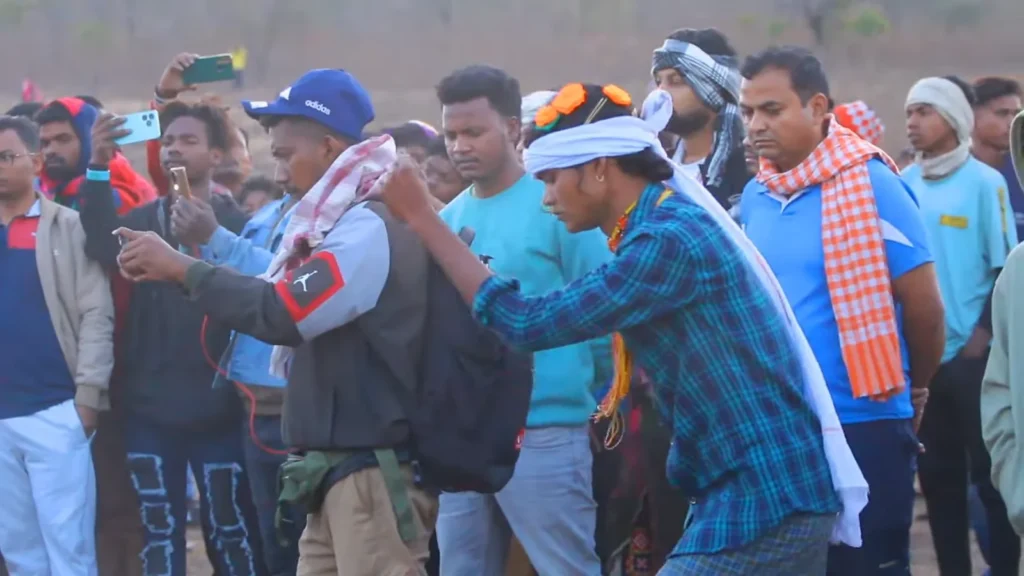
भुवनेश्वर — गुरुवार को कार्यकर्ताओं ने ओडिशा सरकार से न्यामगिरि पहाड़ियों में बॉक्साइट खनन को फिर से शुरू करने के प्रस्तावों को रोकने की मांग की। उन्होंने इसकी वजह के रूप में वन क्षेत्र की संभावित हानि, डोंगरीया कोंध जनजाति का विस्थापन और 2013 के सर्वोच्च न्यायालय के उस आदेश का उल्लेख किया, जिसमें उस क्षेत्र में खनन पर रोक लगाई गई थी।
खनन प्रतिबंध का पृष्ठभूमि
रायगढ़ा और कलाहंडी जिलों में लगभग 1,200 वर्ग किलोमीटर क्षेत्र को कवर करने वाले न्यामगिरि पहाड़ी श्रृंखला को वर्ष 1980 के वन संरक्षण अधिनियम के तहत एक संरक्षित वन घोषित किया गया था। वर्ष 2013 में, भारत के सर्वोच्च न्यायालय ने जनजातीय समुदाय के दावे को स्वीकार किया कि खनन उनके साफ-सुथरे पर्यावरण और सांस्कृतिक विरासत के संवैधानिक अधिकारों का उल्लंघन करेगा, जिसके परिणामस्वरूप वेडंटा रिसोर्सेज द्वारा धारण किए गए एक लीज को रद्द कर दिया गया।
सरकार का नवीन रुचि
राज्य अधिकारियों ने 26 सितंबर को एक प्रेस ब्रीफिंग में खुलासा किया कि खनन और भूविज्ञान विभाग न्यामगिरि की पहाड़ियों के तलहटी में बॉक्साइट भंडारों की खोज के लिए निजी कंपनियों द्वारा प्रस्तुत आवेदनों की समीक्षा कर रहा है। ब्रीफिंग में उल्लेख किया गया कि पर्यावरण, वन और जलवायु परिवर्तन मंत्रालय (मोएफसीसी) के तहत पर्यावरणीय अनुमोदन और वन (संरक्षण) अधिनियम के अनुपालन के अधीन ही कोई नया लीज प्रदान किया जाएगा।
कार्यकर्ताओं की प्रतिक्रिया
पर्यावरण गैर-सरकारी संगठनों, जिनमें सेंटर फॉर साइंस एंड एनवायरनमेंट और न्यामगिरि कंज़र्वेशन फोरम शामिल हैं, ने एक संयुक्त बयान जारी कर चेतावनी दी कि खनन की पुनः शुरुआत पहाड़ियों के विशिष्ट लेटराइट पारिस्थितिकी तंत्र को टुकड़ों में बांट देगी, जिसमें कई स्थानीय पौधों के प्रजातियों और गंभीर रूप से संकटग्रस्त भारतीय पंगोलिन का निवास है। बयान में यह भी उल्लेख किया गया कि डोंगरीया कोंध, जो अपनी जीविका के लिए कृषि और सांस्कृतिक अनुष्ठानों के लिए वन पर निर्भर हैं, को नवीनतम व्यवहार्यता अध्ययनों में परामर्श नहीं दिया गया है।
कार्यकर्ताओं ने लिखा, “यह प्रस्ताव क्षेत्र की पारिस्थितिक संवेदनशीलता और उन जनजातीय समुदायों के अधिकारों की अनदेखी करता है, जो पीढ़ियों से वहां निवास कर रहे हैं। खानों को फिर से खोलना देश भर के अन्य संरक्षित क्षेत्रों के लिए एक खतरनाक मिसाल पेश करेगा।”
कानूनी और प्रक्रियात्मक सुरक्षा उपाय
वन (संरक्षण) अधिनियम के तहत, किसी भी संरक्षित वन में खनन गतिविधि के लिए मोएफसीसी से पूर्व अनुमोदन और एक स्वतंत्र एजेंसी द्वारा किए गए विस्तृत पर्यावरणीय प्रभाव मूल्यांकन (ईआईए) की आवश्यकता होती है। ईआईए में वनस्पति, पशु-पक्षी, जल संसाधनों और वन-निर्भर समुदायों की जीविका पर संभावित प्रभावों का समाधान होना चाहिए। सर्वोच्च न्यायालय के 2013 के निर्णय में यह भी निर्देश दिया गया है कि जनजातीय क्षेत्रों में कोई भी खनन लीज प्रदान करने से पहले ग्राम सभा की सहमति प्राप्त करना अनिवार्य है।
Legal experts note that the Odisha government would need to secure a fresh clearance from the National Green Tribunal (NGT) if the project proceeds, as the NGT has jurisdiction over disputes involving forest clearances and environmental violations.
Economic arguments
Proponents of the mining plan argue that the Niyamgiri hills contain an estimated 1.2 billion tonnes of high‑grade bauxite, which could generate up to ₹12,000 crore in revenue over a 20‑year period and create 5,000 direct jobs. The state’s Department of Industries cited a feasibility report prepared by a consultancy firm in March 2026 that projected a 7.5% annual increase in state mineral royalties if mining resumes.
However, activists counter that the projected revenue does not account for the long‑term costs of deforestation, loss of ecosystem services and potential litigation. They point to a 2024 study by the Indian Institute of Forest Management that estimated the economic value of the Niyamgiri forest ecosystem at ₹3,500 crore per year, based on carbon sequestration, water regulation and biodiversity benefits.
Stakeholder positions
The Ministry of Mines released a statement on 28 September affirming that any mining lease would be granted only after compliance with all statutory requirements, including the Forest (Conservation) Act and the provisions of the Forest Rights Act, 2006. The statement did not address the specific concerns raised by the activists.
The Dongria Kondh community, represented by the Niyamgiri Tribal Council, submitted a petition to the Odisha High Court on 2 September seeking a stay on any new mining applications. The petition argues that the proposed mining violates the community’s rights under the Forest Rights Act and the constitutional guarantee of protection for Scheduled Tribes.
Next steps
The Odisha High Court scheduled a hearing for 15 October to consider the tribal petition. Meanwhile, the MoEFCC is expected to release its preliminary assessment of the mining proposals within the next two weeks. Activists have called for a public hearing under the Right to Information Act to ensure transparency in the decision‑making process.
“We will continue to monitor the situation and use every legal avenue to protect Niyamgiri,” the activists said in a follow‑up note. “The forest and its people cannot be sacrificed for short‑term gains.”