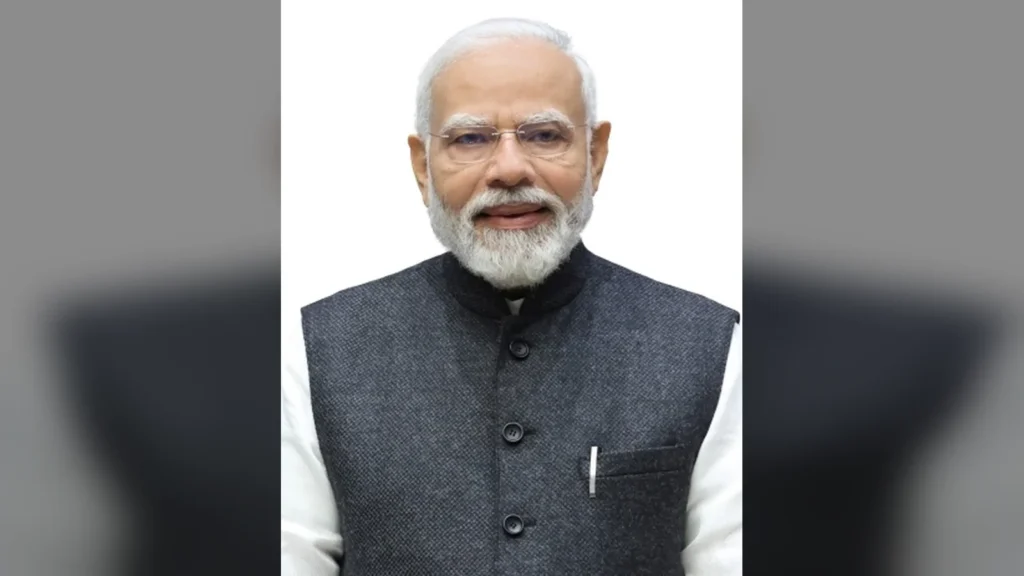
NEW DELHI — Prime Minister Narendra Modi visited the Prambanan temple complex in Central Java, Indonesia, on a trip that highlighted shared cultural heritage and reinforced India’s diplomatic outreach in Southeast Asia. The visit was reported by DD News on 29 September 2026 and was described as a key moment in India’s cultural diplomacy strategy.
Shared Heritage and Historical Context
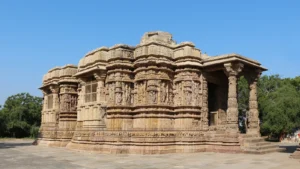
Prambanan, a UNESCO World Heritage Site, is the largest Hindu temple complex in Indonesia. Built in the 9th century by the Sailendra dynasty, the site contains three main shrines dedicated to the Hindu trinity of Shiva, Vishnu and Brahma. The complex has long been a symbol of the cultural exchanges that linked the Indian subcontinent with the Indonesian archipelago.
The Prime Minister’s visit came at a time when India is expanding its cultural outreach across Asia. The article notes that the trip was part of a broader cultural exchange program between the two countries, aimed at deepening mutual understanding of shared traditions and histories.
Diplomatic Significance
During the visit, Modi met with Indonesian officials, including the Minister of Culture and the head of the Indonesian National Commission for UNESCO. The meetings were framed around the preservation of cultural heritage and the promotion of tourism. The article reports that the discussions emphasized joint efforts to safeguard historic sites and to promote cultural tourism as a driver of economic growth.
India’s cultural diplomacy has increasingly focused on Southeast Asia, where it seeks to strengthen ties through cultural festivals, academic exchanges and heritage conservation projects. The Prambanan visit is seen as a continuation of this policy, reinforcing India’s role as a cultural partner in the region.
Public Reception and Media Coverage
The visit was covered extensively by local media in Indonesia, with several outlets highlighting the symbolic importance of the temple for both Hindu and Buddhist communities. In India, the event was reported by DD News and other national broadcasters, underscoring the significance of the visit for domestic audiences interested in India’s foreign cultural policy.
Public reception in Indonesia was largely positive, with visitors noting the historical ties between the two nations. The article indicates that the visit was welcomed by heritage conservationists who see the partnership as a means to secure funding and technical expertise for the upkeep of Prambanan.
Future Prospects
According to the article, the visit sets a precedent for future cultural collaborations. It is expected that India will continue to support heritage projects in Indonesia, including restoration work at other historic sites such as Borobudur and the ancient city of Sragen.
India’s cultural diplomacy team has outlined plans to organize joint exhibitions and academic conferences that will feature artifacts from both countries. These initiatives aim to deepen cultural ties and promote mutual understanding among the younger generations.