HYDERABAD — AIKMS, a coalition of farmers’ unions across India, issued a statement on Monday urging a united movement against the corporatisation of agriculture. The call follows a series of high‑profile land acquisitions by large agribusinesses in Telangana and other states, which the organization says erode the livelihoods of small farmers and undermine the country’s food‑security framework.
Growing Corporate Footprint in Agriculture
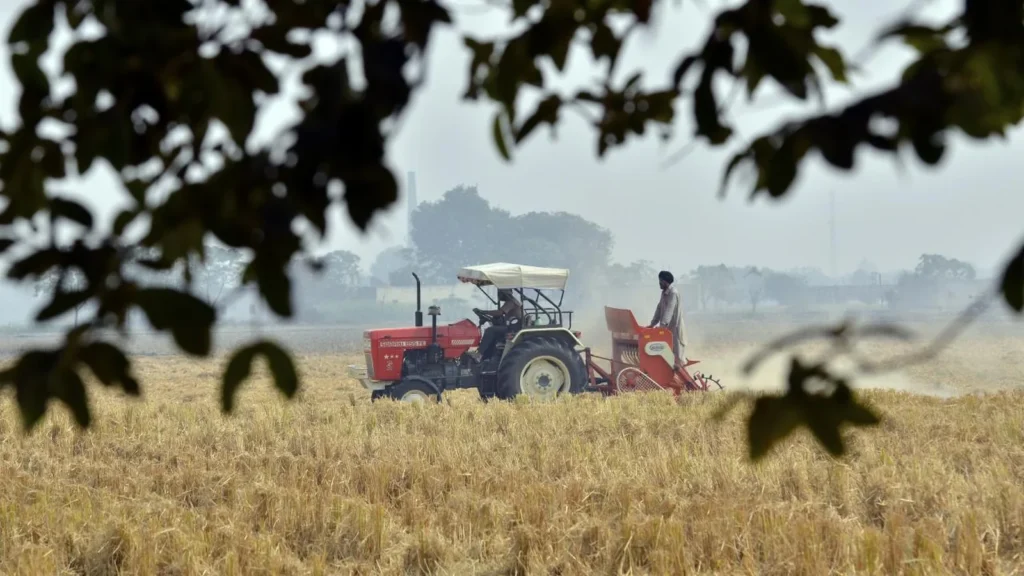
Over the past decade, Indian agriculture has seen a surge in corporate involvement. Multinational and domestic agribusinesses have purchased vast tracts of farmland, introduced mechanised farming practices, and entered into long‑term contracts with smallholders. AIKMS said that such moves concentrate land ownership, increase input costs, and reduce the bargaining power of individual farmers.
AIKMS’ Call to Action
In its statement, AIKMS called on farmers, civil‑society groups, and political parties to form a “united front” to resist corporatisation. The organization highlighted the need for policy reforms that protect land rights, promote cooperative farming, and ensure that agricultural profits remain within local communities.
AIKMS also urged the central government to review recent land‑transfer regulations that have been criticised for favouring large corporate entities. The coalition warned that without intervention, the trend could lead to a “massive shift in ownership patterns” that would disadvantage marginal farmers.
Context of the Movement
The call comes amid growing concerns over the impact of corporate farming on rural economies. Studies by the National Institute of Agricultural Extension Management (NIAEM) have shown that smallholders in Telangana contribute to 60% of the state’s agricultural output, yet they face increasing pressure from corporate buyers who offer higher prices for large plots but demand long‑term contracts that lock them into market volatility.
In 2025, the Ministry of Agriculture announced a policy to encourage “public‑private partnerships” in irrigation and crop‑insurance schemes. AIKMS criticised the policy for not providing safeguards for small farmers and for potentially opening the door to corporate dominance.
Reactions from Stakeholders
The Telangana State Farmers’ Association (TSFA) welcomed AIKMS’s stance, noting that it aligns with the state government’s recent land‑reform proposals aimed at preventing large‑scale acquisitions. “We share the concern that corporatisation can marginalise smallholders,” said TSFA spokesperson Ramesh Kumar in a statement to the press.
Corporate agribusiness representatives, however, have defended their investments as necessary for modernising Indian agriculture. A spokesperson for AgroTech India, a leading agribusiness firm, said that its operations “create employment opportunities and improve productivity for farmers who partner with us.”
Legal and Policy Landscape
The Indian government has introduced several measures to regulate land acquisitions, including the Land Acquisition, Rehabilitation and Resettlement Act, 2013. AIKMS has called for stricter enforcement of this act to prevent large corporations from acquiring land at below‑market rates.
Additionally, the government’s recent amendment to the Agricultural Land Acquisition and Transfer (ALAT) policy, which allows for the transfer of agricultural land to non‑agricultural entities under certain conditions, has been a point of contention. AIKMS urged the Ministry of Agriculture to revisit the amendment, citing concerns over the loss of agricultural land for food production.
Future Outlook
AIKMS plans to mobilise farmers across the country through a series of rallies and digital campaigns. The coalition has also announced a partnership with the National Farmers’ Union (NFU) to coordinate efforts and lobby for legislative changes that protect smallholders’ rights.
While the movement’s success will depend on the level of grassroots participation and political support, AIKMS remains firm that a united front is essential to safeguard India’s agricultural heritage and ensure food security for its growing population.