NEW DELHI — The Ministry of Defence released a factsheet on 27 September 2026 that outlines the role of indigenous production in bolstering India’s national security. The document, titled “India’s Defence Strength Powering National Security through Self‑Reliance,” lists recent milestones in weapons development, highlights budget allocations for domestic projects and cites the growing depth of the India‑U.S. defence partnership.
Self‑reliance at the core of policy
The factsheet reiterates the government’s “Make in India” defence agenda, noting that a larger share of procurement is now sourced from Indian firms. It points to the commissioning of the first indigenously built aircraft carrier, the launch of the Advanced Medium Combat Aircraft (AMCA) prototype, and the induction of the Akash surface‑to‑air missile system as proof points of the policy’s progress.
According to the release, the defence establishment has increased funding for research and development, directing a higher proportion of the annual defence budget toward domestic projects. The document does not disclose exact figures but states that the budget for indigenous initiatives has risen compared with the previous fiscal year.
Key platforms and capabilities
Among the platforms highlighted are the Tejas Mk II fighter jet, the indigenous nuclear‑powered submarine program, and the development of the Advanced Air Defence (AAD) system. The factsheet notes that the Tejas Mk II entered serial production in early 2026 and is slated for delivery to the Indian Air Force by 2028.
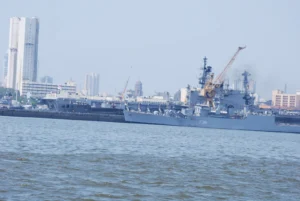
In the naval domain, the launch of the first domestically built aircraft carrier, INS Vikrant‑II, is described as a “strategic milestone.” The carrier is equipped with indigenous radar and combat management systems, reducing reliance on foreign technology.
Strategic partnership with the United States
Parallel to domestic advances, the factsheet references the deepening India‑U.S. defence relationship. In a separate interview reported by The Indian Awaaz, U.S. Ambassador Sergio Gor said the partnership has expanded through joint exercises and technology sharing. He highlighted the recent Exercise Yudh Abhyas, describing it as a platform that showcases the interoperability of the two forces.
Defence.in echoed the ambassador’s remarks, noting that the exercise involved live‑fire drills, maritime patrol coordination and cyber‑security simulations. Both outlets reported that the United States has pledged continued support for India’s indigenous projects, including co‑development of missile systems and avionics.
Industrial base and employment
The factsheet emphasizes that the self‑reliance drive is creating jobs across the defence supply chain. It cites an increase in the number of Indian Small and Medium Enterprises (SMEs) participating in defence contracts, with the Ministry of Defence setting a target of 70 % domestic content in major platforms by 2030.
Training and skill‑development programmes are also mentioned. The Defence Research and Development Organisation (DRDO) has launched a new apprenticeship scheme aimed at producing 5,000 skilled technicians over the next five years.
Challenges and next steps
While the factsheet paints a positive picture, it acknowledges ongoing challenges such as technology transfer timelines, certification processes and the need for sustained funding. The Ministry of Defence has outlined a roadmap that includes the establishment of a dedicated “Indigenous Defence Production Board” to streamline approvals and monitor progress.
In the coming months, the Ministry plans to release detailed procurement plans for the next fiscal year, which will include further allocations for the AMCA program, next‑generation submarines and advanced missile defence systems.