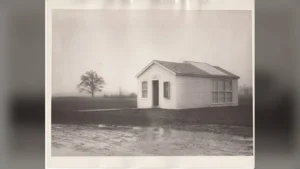
CHENNAI — The Government College of Fine Arts in Chennai has completed 175 years of continuous operation, marking a significant milestone in the history of formal art education in India. Established in 1850, the institution stands as one of the oldest dedicated art colleges in the country, having evolved from a modest drawing school into a premier center for fine arts, design, and cultural studies.
Historical Foundation and Early Development
The college’s origins are rooted in the mid-19th century, a period when the British colonial administration began to formalize artistic training in India. Initially focused on technical drawing and lithography, the institution gradually expanded its curriculum to include painting, sculpture, and architecture. Over the decades, it became a crucible for modern Indian art, nurturing generations of artists who would go on to define the visual identity of the nation.
According to historical records, the college played a pivotal role in bridging traditional Indian artistic techniques with Western academic standards. This synthesis allowed students to engage with both classical Indian iconography and contemporary global trends, fostering a unique artistic voice that remains influential today.
Academic Structure and Modern Relevance
Today, the Government College of Fine Arts offers a comprehensive range of undergraduate and postgraduate programs. The curriculum is designed to balance theoretical knowledge with practical studio work, ensuring that students develop both technical proficiency and conceptual depth. Departments within the college cover various disciplines, including painting, sculpture, graphics, and art history, providing a holistic education that prepares graduates for diverse careers in the creative industries.
The institution has also been at the forefront of integrating digital technologies into art education. In recent years, courses have been introduced that explore digital media, animation, and interactive design, reflecting the evolving nature of the art world. This adaptability has helped the college remain relevant in a rapidly changing global landscape, where traditional and digital art forms increasingly intersect.
Cultural Impact and Alumni Network
The legacy of the Government College of Fine Arts is further cemented by its extensive alumni network, which includes many of India’s most renowned artists, designers, and art educators. These alumni have contributed significantly to the cultural fabric of the country, creating works that have been exhibited in national and international venues. Their achievements serve as a testament to the quality of education and mentorship provided by the college over the past century and a half.
Furthermore, the college has been instrumental in preserving and promoting traditional art forms. Through workshops, exhibitions, and research initiatives, it has worked to document and revitalize indigenous artistic practices, ensuring that they are not lost to time. This commitment to cultural preservation aligns with broader national efforts to safeguard India’s rich heritage.
Challenges and Future Directions
Despite its storied history, the college faces challenges common to many public institutions, including funding constraints and the need for infrastructure upgrades. However, there are ongoing efforts to modernize facilities and enhance the learning environment. Collaborations with other educational institutions and cultural organizations are also being explored to expand the college’s reach and impact.
As it marks its 175th anniversary, the Government College of Fine Arts looks forward to continuing its mission of excellence in art education. The institution’s enduring legacy is a reflection of its ability to adapt and evolve while staying true to its core values of creativity, innovation, and cultural stewardship.