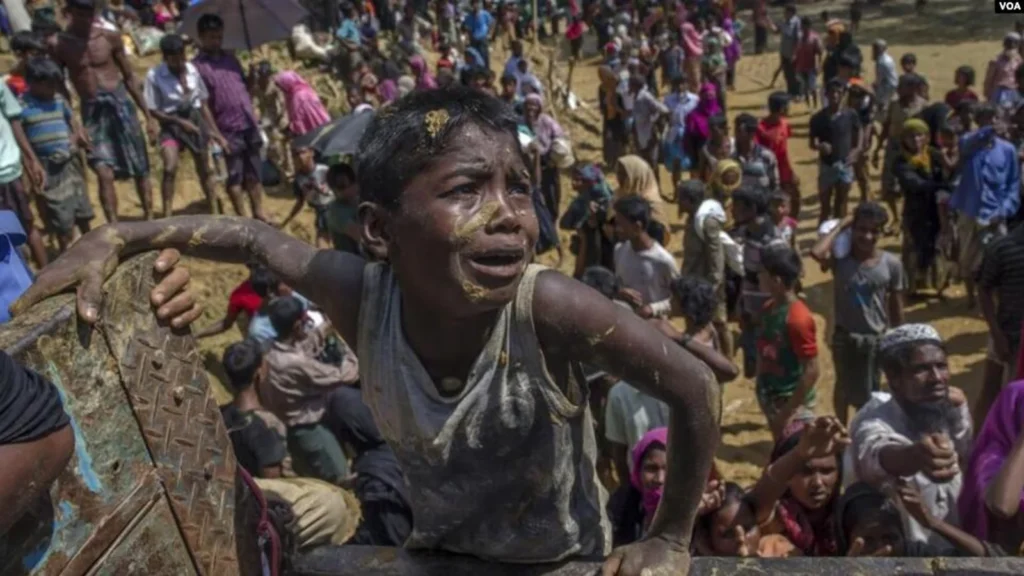
GENEVA — Reduced international funding has precipitated a contraction in humanitarian services at the Cox’s Bazar refugee settlement in Bangladesh, impacting the daily lives of more than one million displaced Rohingya, according to a report released on Thursday.
The United Nations High Commissioner for Refugees (UNHCR) and partner agencies have confirmed that budget shortfalls have forced a reduction in the scope of aid distribution, including food rations, medical supplies, and educational materials. The settlement, located in the Chittagong Division, remains the world’s largest refugee camp, housing a population that has grown significantly since the mass exodus from Myanmar in 2017.
According to the report, the decline in donor contributions has resulted in a gap between the projected humanitarian needs and the available financial resources. This shortfall has necessitated a triage approach to service delivery, where critical health interventions and food security programs are prioritized over long-term development initiatives. Field workers in Cox’s Bazar have noted an increase in cases of malnutrition and a strain on the limited medical infrastructure, which was already operating at capacity prior to the funding reductions.
The situation in Cox’s Bazar mirrors a broader trend in global humanitarian assistance, where funding for refugee crises has seen a significant dip in recent fiscal years. While the immediate impact is felt in the camps, the long-term implications for stability in the region are a concern for international observers. The reduction in aid is not solely due to a lack of willingness among donors, but also reflects a shift in global priorities and economic pressures in major donor nations.
Humanitarian organizations operating in the region have called for an emergency replenishment of the Central Emergency Response Fund (CERF) and other pooled funding mechanisms to bridge the gap. They argue that the current level of funding is insufficient to meet the basic needs of the refugee population, particularly during the monsoon season, which exacerbates health risks and infrastructure damage in the camps.
The Bangladesh government, which has hosted the refugees for nearly a decade, has repeatedly urged the international community to share the burden of the crisis. Dhaka has stated that it cannot continue to support such a large population without sustained international assistance. The government has also emphasized the need for a durable solution, which includes the safe and voluntary repatriation of refugees to Myanmar, a process that remains stalled due to ongoing conflicts and lack of political will in Naypyidaw.
In response to the funding cuts, UN agencies have implemented cost-saving measures, including the consolidation of programs and the reduction of non-essential staff. However, these measures have not been enough to fully offset the loss of funding. The report highlights that the most vulnerable groups, including women, children, and the elderly, are disproportionately affected by the reduction in services.
Medical professionals in the camps have reported an increase in preventable diseases, such as diarrhea and respiratory infections, due to the lack of clean water and sanitation facilities. The reduction in funding has also impacted the education sector, with many schools in the camps facing a shortage of teachers and learning materials. This has raised concerns about the future prospects of the refugee children, who have been out of school for years.
The international community is now under pressure to step up its response to the crisis. The United Nations has called on member states to increase their contributions to humanitarian funds and to support the work of UN agencies in Cox’s Bazar. The report serves as a stark reminder of the consequences of underfunding humanitarian efforts and the need for sustained international support for refugee populations.
As the situation in Cox’s Bazar continues to evolve, the focus will remain on ensuring that the most basic needs of the refugee population are met. The coming months will be critical in determining whether the international community can reverse the trend of funding cuts and provide the necessary support to the refugees and the host communities in Bangladesh.