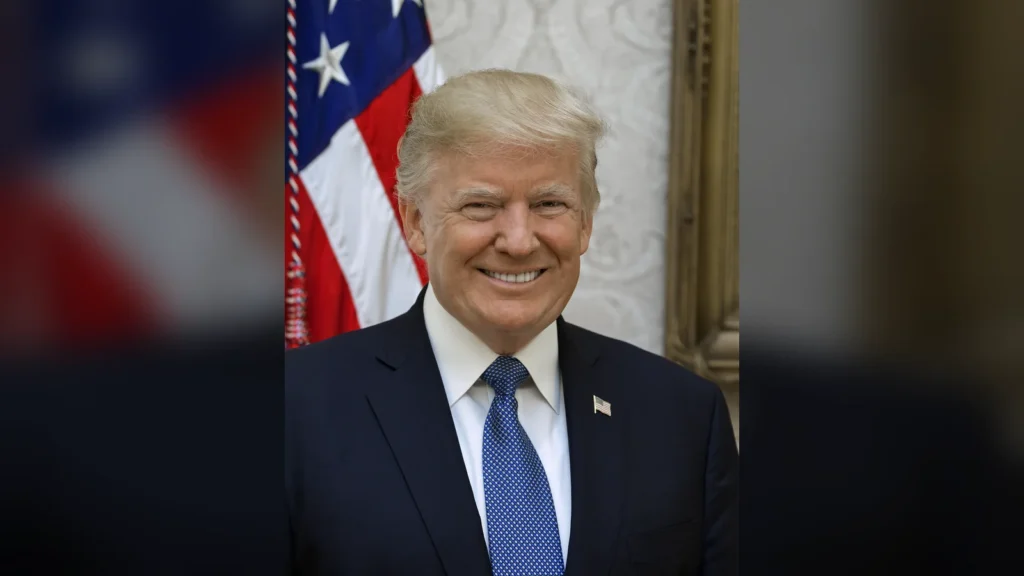
WASHINGTON — Former President Donald Trump said on 26 September 2026 that he had rejected Iran’s latest proposal to reopen the Strait of Hormuz within seven days. The announcement came after Iranian officials presented a plan that would lift the blockade on the waterway, a move that could ease tensions in the Persian Gulf and restore shipping lanes used by more than 20 percent of global oil traffic.
Background on the Strait of Hormuz
The Strait of Hormuz, a narrow passage between Oman and Iran, is a critical chokepoint for the world’s oil supply. In 2023, the United States imposed sanctions on Iran that included restrictions on shipping through the strait. The blockade has been a point of contention between Tehran and Washington, with the U.S. citing security concerns and Iran citing economic pressure.
Iran’s Seven‑Day Proposal
Iran’s Foreign Ministry released a statement on 24 September 2026 outlining a seven‑day cease‑fire and a temporary opening of the strait. The proposal was presented to U.S. officials through diplomatic channels and was described by Iranian diplomats as a “peaceful step” to reduce regional tensions. The plan would allow commercial vessels to pass through the strait for a period of seven days, after which further negotiations would be scheduled.
Trump’s Rejection
In a statement released by his spokesperson on 26 September, Trump said he had rejected the Iranian proposal. The statement was reported by BBC, CNN, NBC and The Guardian. Trump’s spokesperson noted that the former president had no formal role in U.S. foreign policy but had expressed his opinion on the matter. No official U.S. government source confirmed the statement, and the White House issued no comment.
Reactions from U.S. Officials
The U.S. State Department, in a brief release, said it was reviewing the proposal but had not taken a position. The Department of Defense reiterated its commitment to ensuring freedom of navigation in the strait. The U.S. Senate Foreign Relations Committee held a hearing on 27 September to discuss the implications of the proposal, with several senators calling for a cautious approach.
Iranian Response
Iran’s Ministry of Foreign Affairs issued a statement saying it was disappointed by Trump’s rejection but remained open to further dialogue. The ministry emphasized that the proposal was a “temporary measure” aimed at reducing hostilities and ensuring safe passage for commercial shipping.
Implications for Shipping and Energy Markets
Analysts note that the strait’s status has a direct impact on global oil prices. A temporary opening could have lowered volatility in the market, but the rejection may maintain the status quo. Shipping companies have expressed uncertainty, with some calling for a clear timeline from the U.S. and Iran before resuming operations in the region.
Future Negotiations
Both sides have indicated a willingness to continue talks. The U.S. has suggested a multilateral framework involving the Gulf Cooperation Council, while Iran has called for a bilateral meeting with Washington. The next round of negotiations is expected to take place in early October, according to reports from the Associated Press.
Primary Sources & Official Records
- Trump rejects Iran deal to reopen Strait of Hormuz in seven days
- Trump rejects Iran’s latest proposal to reopen the Strait of Hormuz – CNN
- Trump says he has rejected Iranian proposal to reopen Strait of Hormuz – NBC News
- Trump rejects Iran’s seven-day peace deal to reopen strait of Hormuz – The Guardian