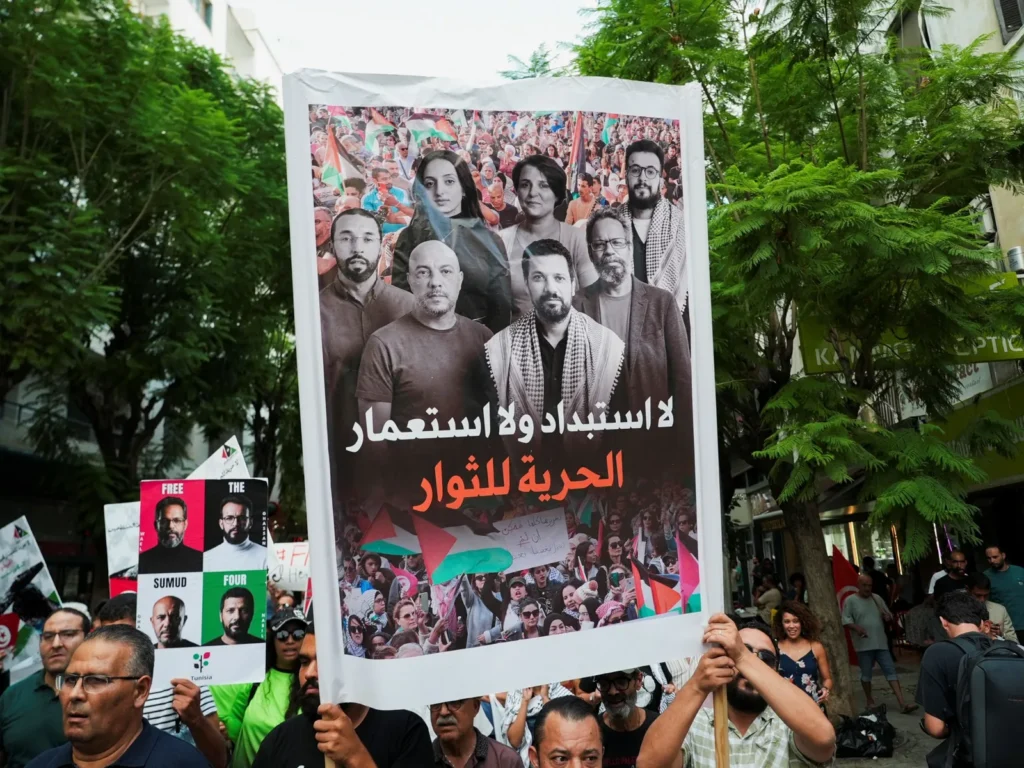
TUNIS — A senior activist associated with the Gaza Freedom Flotilla is in critical medical condition in a Tunisian detention facility, with legal representatives stating the individual is “on the verge of death” following a hunger strike that has lasted several weeks. The situation has drawn urgent attention from international human rights organizations and diplomatic observers, who have called for immediate medical intervention and the release of the detainee.
The activist, who was detained upon arrival in Tunisia as part of a broader maritime campaign to break the blockade of the Gaza Strip, has refused food and water for an extended period. According to a statement released by their legal team, the detainee’s health has deteriorated rapidly, with medical staff reporting severe dehydration, organ stress, and a significant drop in vital signs. The lawyers have filed multiple petitions with the Tunisian judiciary, requesting an emergency medical transfer to a civilian hospital and the suspension of detention pending health assessments.
Legal and Medical Disputes
Tunisian authorities have not issued a detailed public statement regarding the specific medical status of the detainee, citing privacy laws and ongoing judicial proceedings. However, a spokesperson for the Ministry of Justice indicated that the individual is under medical observation within the detention center and that all necessary care is being provided in accordance with international standards. The government has maintained that the detention is lawful, citing national security protocols and regulations regarding unauthorized maritime entry into sovereign waters.
Human rights groups, including Amnesty International and Human Rights Watch, have condemned the conditions of detention, arguing that the refusal of medical transfer constitutes a violation of the right to life and health. In a joint statement, the organizations noted that hunger strikes in detention facilities require immediate and independent medical monitoring to prevent irreversible harm or death. They have urged the Tunisian government to allow access for independent medical observers and to engage in dialogue with the detainee’s legal representatives.
Context of the Flotilla Campaign
The Gaza Freedom Flotilla is a recurring international initiative aimed at challenging the naval blockade of the Gaza Strip, which has been in place since 2007. Previous flotilla attempts have resulted in confrontations with Israeli naval forces, leading to the deaths of several activists. The current campaign has involved a coalition of international NGOs, political figures, and civil society groups from across Europe, North Africa, and the Middle East. Tunisia, a key transit point for many of these activists, has become a focal point for legal and diplomatic tensions as authorities balance domestic security concerns with international pressure.
Diplomatic sources in Tunis indicated that several embassies, including those of France, Germany, and the United States, have raised the issue with Tunisian officials. While no formal protests have been filed, diplomatic channels have been used to request consular access and updates on the detainee’s health. The Tunisian government has emphasized its commitment to the rule of law and its willingness to cooperate with international partners on humanitarian matters, while asserting its sovereignty over its territorial waters and detention facilities.
International Reactions
The case has sparked widespread debate on social media and in international media outlets, with many voices calling for the immediate release of the activist. Pro-Palestinian groups have organized virtual rallies and campaigns to raise awareness, while critics of the flotilla have questioned the legality and safety of the maritime operations. The United Nations High Commissioner for Human Rights has called for a thorough investigation into the conditions of detention and the provision of adequate medical care, urging all parties to prioritize the protection of human life.
As the situation remains fluid, legal representatives have warned that the detainee’s condition could become fatal within days if medical intervention is not expedited. They have appealed to the Tunisian president and the judiciary to act swiftly, citing the urgency of the case. International observers are closely monitoring developments, with potential for further diplomatic engagement if the detainee’s health continues to deteriorate. The case highlights the complex intersection of humanitarian activism, national security, and international law in the ongoing conflict in the Middle East.