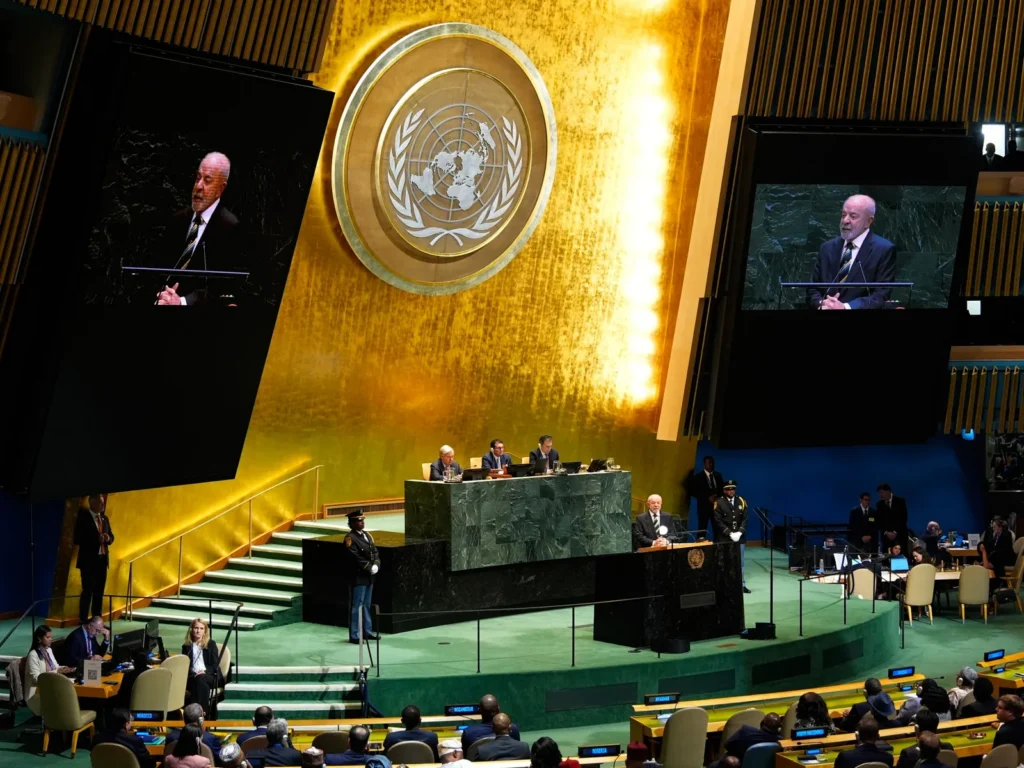
NEW YORK — The United Nations is confronting a profound legitimacy crisis as major global powers increasingly bypass multilateral frameworks in favor of unilateral action, according to a panel of international relations experts gathered in New York this week. The assessment, delivered against the backdrop of the UN General Assembly, highlights a growing divergence between the institution’s charter-based mandate and the operational realities of contemporary geopolitics.
Erosion of Multilateral Norms
Delegates and analysts noted that the Security Council, the primary body responsible for maintaining international peace and security, has become increasingly gridlocked. The inability of the five permanent members to reach consensus on critical conflicts has led to a perception that the council is obsolete. Experts pointed to recent instances where major powers imposed sanctions, deployed military assets, or enacted trade policies without prior consultation or authorization from the UN Security Council.
“The UN is no longer the central hub of global governance,” said one senior diplomat attending the session, speaking on condition of anonymity. “When the most powerful states act unilaterally, they signal that the rules-based order is optional. This undermines the very foundation upon which the UN was built.”
Geopolitical Fragmentation
The crisis is exacerbated by the fragmentation of the global order into competing blocs. The ongoing tensions in the Indo-Pacific and the Middle East have forced nations to choose sides, further complicating the UN’s ability to mediate. The recent meeting of Micronesian island nations, held against the backdrop of intensifying great power competition, illustrated how smaller states are caught in the crossfire of strategic rivalries, often relying on the UN for diplomatic protection that is increasingly difficult to secure.
Analysts argue that the US, China, and Russia are pursuing divergent strategies that prioritize national interest over collective security. The US has emphasized a “rules-based order” but has frequently acted outside of UN mandates, particularly in trade and security matters. China, meanwhile, has expanded its influence through economic initiatives and military modernization, often challenging Western-led institutions. Russia’s continued support for authoritarian regimes and its actions in Ukraine have further isolated it within the council, reducing the likelihood of consensus.
Legal and Institutional Challenges
The legal framework governing the UN is also under strain. The “major questions doctrine,” a legal principle increasingly invoked in domestic courts to limit executive power, has parallels in the international arena, where the scope of UN authority is being questioned. The tariff case, for example, highlights how trade disputes are being resolved through bilateral or regional mechanisms rather than through the World Trade Organization, a UN-related body.
Experts warn that if the UN cannot adapt to these changing dynamics, it risks becoming a mere forum for diplomatic rhetoric rather than a functional institution for conflict resolution. The organization’s ability to mobilize resources, enforce resolutions, and maintain peacekeeping operations is directly tied to the willingness of member states to comply with its decisions.
Path Forward
Some experts have called for reforms to the Security Council, including the expansion of permanent membership to reflect current geopolitical realities. However, such reforms require the consent of the existing permanent members, making them unlikely in the near term. Others have suggested that the UN should focus on areas where consensus is more achievable, such as climate change, public health, and development, while allowing other issues to be addressed through regional or bilateral mechanisms.
Despite these challenges, the UN remains the only global institution with universal membership and a mandate to address a wide range of issues. Its continued relevance depends on its ability to adapt to the changing geopolitical landscape and to rebuild trust among its member states. As the General Assembly convenes, the focus will be on whether the UN can find a way to remain relevant in an era of increasing unilateralism.