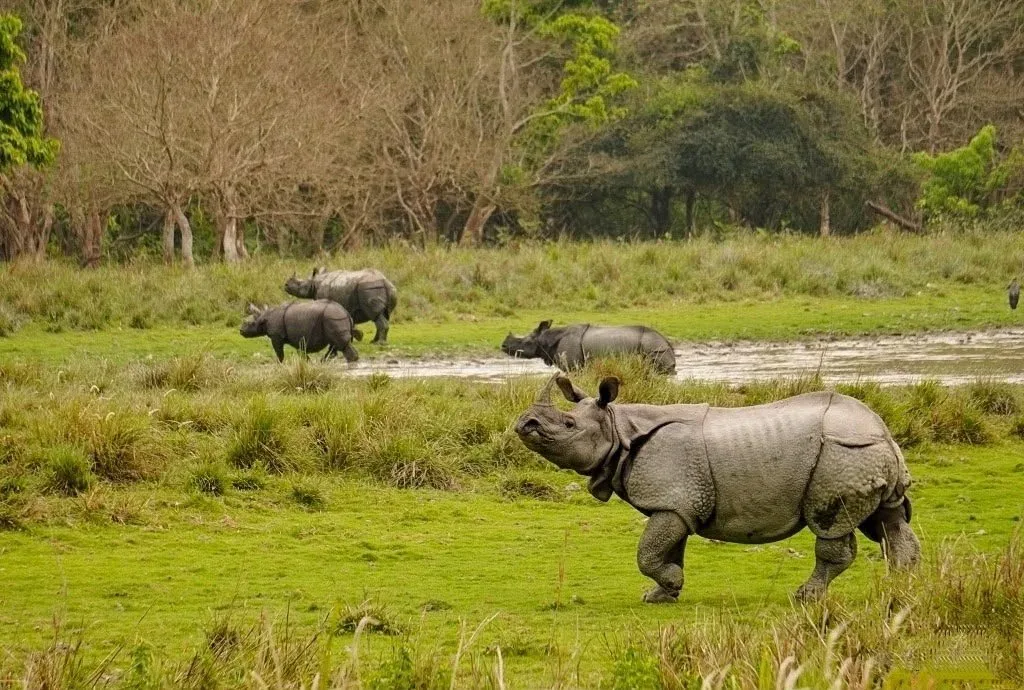
GUWAHATI — Assam marked World Rhino Day on 22 September with a focus on the state’s sustained conservation efforts, as Chief Minister Himanta Biswa Sarma announced that the population of the Indian one-horned rhinoceros has continued to rise while reporting zero poaching cases in the current year.
The celebration, observed globally to raise awareness about the endangered species, served as a platform for state officials to review the efficacy of the forest department’s protection strategies. Mr. Sarma, addressing the occasion, stated that the increase in the rhino population is a direct result of coordinated efforts between the Assam Forest Department, local communities, and central government agencies. He emphasized that the state has maintained a strict zero-tolerance policy towards wildlife crime, citing the absence of any poaching incidents recorded in 2026 as a key indicator of operational success.
Population Metrics and Conservation Data
According to data released by the Assam Forest Department, the number of one-horned rhinoceroses in the state’s protected areas has shown a steady upward trajectory over the past decade. The species, primarily found in Kaziranga National Park, Manas National Park, and other designated sanctuaries, has benefited from habitat restoration and anti-poaching patrols. Officials noted that the population density in Kaziranga, a UNESCO World Heritage Site, remains the highest in the world, with the park accounting for the majority of the global one-horned rhino population.
The Chief Minister highlighted that the state’s conservation model relies on a multi-layered security approach, including the deployment of specialized wildlife protection forces, the use of surveillance technology, and community engagement programs. He stated that the collaboration with the central government’s Ministry of Environment, Forest and Climate Change has been instrumental in securing funding and technical support for these initiatives.
National Recognition and Policy Framework
The Prime Minister of India also took to social media to celebrate World Rhino Day, commending the state’s efforts in wildlife conservation. In a post, the Prime Minister acknowledged the critical role of Assam in preserving the one-horned rhinoceros and urged continued vigilance to protect the species from threats such as habitat loss and climate change. The central government’s support for Assam’s conservation projects has included the allocation of funds for infrastructure development in national parks and the training of forest personnel in modern wildlife management techniques.
Experts in wildlife biology have noted that while the population numbers are encouraging, the species remains vulnerable to natural disasters and human-wildlife conflict. The Assam Forest Department has implemented measures to mitigate these risks, including the creation of buffer zones and the relocation of communities living in high-risk areas. The department also reported that the number of rhino calves born in 2026 has increased, indicating a healthy reproductive rate among the population.
Community Involvement and Future Outlook
Community-based conservation programs have played a significant role in the success of Assam’s rhino protection efforts. Local residents, particularly those living near national parks, have been engaged in eco-tourism initiatives that provide alternative livelihoods and reduce dependence on forest resources. The state government has also launched awareness campaigns in schools and colleges to educate the younger generation about the importance of biodiversity conservation.
As Assam looks ahead, officials have outlined plans to expand the network of protected areas and enhance the capacity of wildlife rescue centers. The state aims to maintain its position as a global leader in rhino conservation while addressing emerging challenges such as the impact of climate change on grassland ecosystems. The zero-poaching record for 2026 is seen as a benchmark for other states and countries seeking to protect endangered species.
The World Rhino Day celebrations in Assam included events at Kaziranga National Park, where visitors were given a glimpse of the rhinoceroses in their natural habitat. The state government also organized a series of workshops and seminars involving conservationists, policymakers, and community leaders to discuss future strategies for wildlife protection. The event underscored the commitment of Assam to preserving its natural heritage and contributing to global conservation goals.