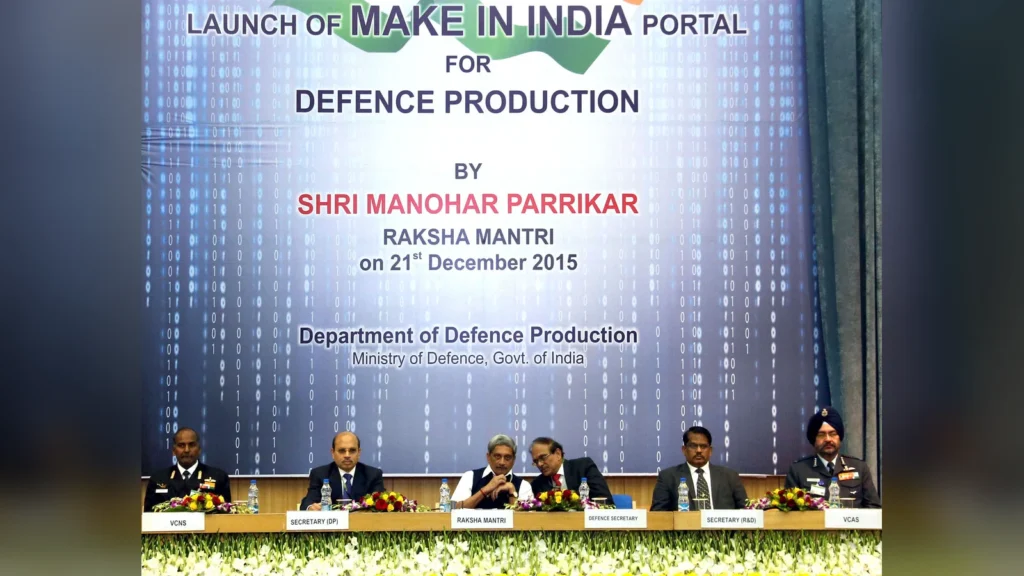
NEW DELHI — India’s defence ministry has outlined a new strategy to boost indigenous production of advanced weapons systems, following a series of meetings with industry leaders and a showcase at the 2026 Eurosatory trade fair in Paris. The plan aims to move the country from a buyer to a battlefield manufacturer for the world.
From Make in India to Battlefield Deployment
In a report published by the Economic Times on 25 September 2026, defence leaders described a roadmap that would see India’s defence manufacturing ecosystem mature from a nascent “Make in India” initiative to a fully integrated production and deployment chain. The article noted that the government is prioritising the development of indigenous platforms in areas such as unmanned aerial vehicles, missile systems, and cyber‑defence software.
At the same time, the Indian Aerospace and Defence Bulletin, which covered the 12 June 2026 edition of Eurosatory, highlighted how Indian companies showcased prototypes of next‑generation fighter jets and naval vessels. The bulletin described the event as a turning point where Indian manufacturers moved from being primarily buyers of foreign technology to active participants in the global defence supply chain.
Strategic Objectives
The ministry’s strategy focuses on three pillars: technology acquisition, domestic capacity building, and export readiness. Under the technology acquisition pillar, the government has increased funding for research and development in partnership with state‑owned enterprises such as Hindustan Aeronautics Limited (HAL) and the Defence Research and Development Organisation (DRDO). The domestic capacity building pillar involves setting up new production lines in collaboration with private firms, while the export readiness pillar aims to position India as a supplier of advanced systems to friendly nations.
Officials said that the new roadmap would be implemented through a series of phased milestones. The first phase, set to conclude by 2028, will focus on upgrading existing production facilities and securing critical components from domestic suppliers. The second phase, slated for 2030, will aim to achieve 70% self‑reliance in key weapon categories, including surface‑to‑air missiles and electronic warfare suites.
Industry Response
Industry representatives at Eurosatory expressed optimism about the government’s commitment. A senior executive from a leading aerospace firm stated that the event had showcased a portfolio of indigenous aircraft that could compete with global players. The firm also highlighted the potential for joint ventures with foreign partners to accelerate technology transfer.
इसी बीच, एक घरेलू रक्षा ठेकेदार के प्रतिनिधि ने बताया कि कंपनी ने पहले ही छोटे हथियारों और हल्के वाहनों के उत्पादन के लिए अनुबंध सुरक्षित कर लिए हैं। ठेकेदार ने यह भी कहा कि नई नीति स्वदेशी परियोजनाओं के अनुमोदन प्रक्रिया को सरल बनाएगी, जिससे खरीदारी के समय में कमी आएगी।
आगे की चुनौतियाँ
सकारात्मक दृष्टिकोण के बावजूद, विशेषज्ञ कई चुनौतियों की ओर इशारा करते हैं जो उत्पादन के तीव्र विस्तार में बाधा बन सकती हैं। आपूर्ति श्रृंखला में बाधाएँ, विशेषकर उच्च‑सटीकता वाले घटकों के लिए, अभी भी चिंता का विषय हैं। इसके अतिरिक्त, कुशल श्रम और उन्नत विनिर्माण बुनियादी ढांचे की आवश्यकता के लिए पर्याप्त निवेश आवश्यक है।
मंत्रालय ने महत्वपूर्ण रक्षा प्रौद्योगिकियों में अनुसंधान एवं विकास को समर्थन देने के लिए ₹50,000 करोड़ का नया कोष घोषित किया है। यह कोष प्रतिस्पर्ध