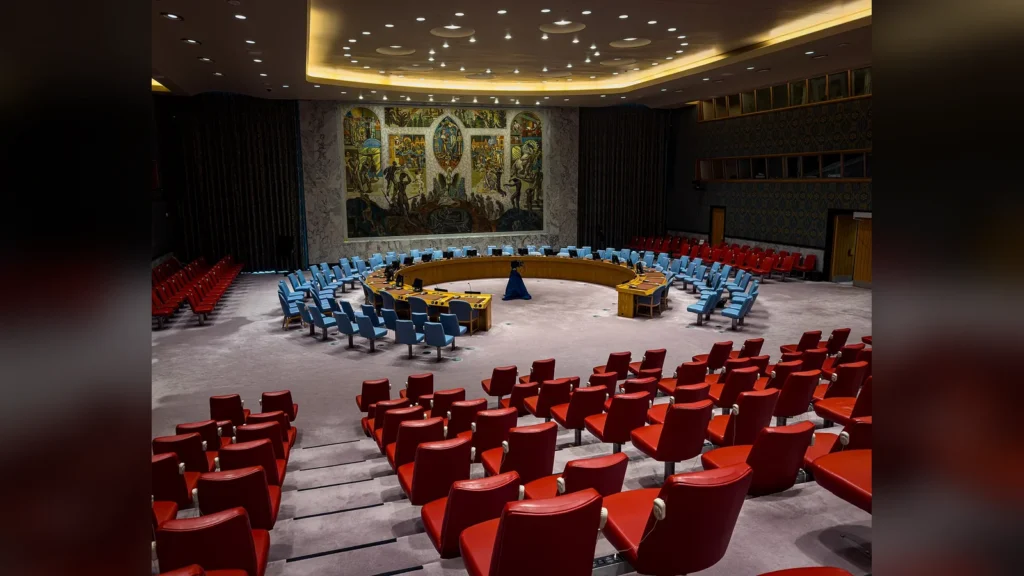
NEW YORK — The United Nations Security Council convened on Tuesday for its 10233rd meeting to conduct a substantive review of the institutional partnership between the United Nations and the African Union. The session, held in the main chamber of the UN Headquarters, focused on the operational synergies required to address protracted conflicts across the continent, with particular emphasis on the evolving security architecture in the Horn of Africa and the Sahel region.
Operational Framework and Joint Mandates
The meeting marked a critical juncture in the bilateral diplomatic engagement, as council members examined the effectiveness of the 2014 Joint Declaration on the UN-AU Partnership. This foundational document established the legal and political basis for joint peace and security operations, allowing for the deployment of integrated missions that combine UN logistical and financial resources with African Union political legitimacy and regional expertise.
During the open debate, representatives from member states highlighted the necessity of streamlining command structures to reduce duplication of efforts in conflict zones. The discussion centered on the transition of several regional missions from purely AU-led operations to hybrid frameworks, a shift designed to enhance sustainability and international accountability. Officials noted that the current geopolitical landscape, characterized by shifting alliances and resource constraints, demands a more agile and responsive partnership model that can adapt to rapid-onset crises.
Focus on Conflict Prevention and Early Warning
A significant portion of the agenda was dedicated to the preventive dimension of the partnership. The Security Council reviewed the progress of joint early warning systems, which aim to identify potential flashpoints before they escalate into full-scale armed conflict. The AU’s Peace and Security Council and the UN Security Council have increasingly coordinated their agendas to ensure that diplomatic interventions are synchronized and that sanctions regimes, where applicable, are implemented with consistent messaging.
Delegates emphasized the importance of addressing root causes of instability, including governance deficits, economic inequality, and climate-induced displacement. The council acknowledged that military interventions alone are insufficient to achieve lasting peace and that the partnership must prioritize political dialogue and institutional capacity building. This approach aligns with the broader UN Agenda for Peace, which advocates for a shift from reactive peacekeeping to proactive peacebuilding.
Resource Mobilization and Financial Sustainability
Financial sustainability remained a central concern for council members, particularly regarding the funding of joint operations. The meeting addressed the challenges posed by the current global economic environment, which has impacted voluntary contributions to peacekeeping budgets. The UN and AU representatives discussed mechanisms to optimize resource allocation, including the potential for shared procurement and logistical support to reduce operational costs.
The council also considered the role of the private sector and multilateral development banks in supporting post-conflict reconstruction. By leveraging financial instruments beyond traditional aid, the partnership aims to create self-sustaining economic environments that reduce the likelihood of relapse into conflict. This financial strategy is viewed as essential for ensuring that peace agreements are not merely signed but effectively implemented and maintained over the long term.
Future Roadmap and Diplomatic Commitments
As the session concluded, the Security Council reaffirmed its commitment to deepening the UN-AU partnership. The council agreed to establish a joint working group to monitor the implementation of the recommendations discussed during the meeting. This group will report back to the council in the coming months, providing a structured framework for ongoing dialogue and accountability.
The meeting underscored the critical importance of multilateral cooperation in addressing global security challenges. By strengthening the institutional ties between the UN and the AU, the international community aims to create a more coherent and effective response to conflicts on the African continent. The outcomes of this session will inform future policy decisions and operational deployments, reflecting a shared understanding that peace and security are indivisible and require collective action.