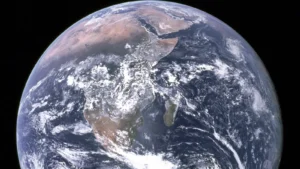
KATHMANDU — Nepal’s Prime Minister KP Sharma Oli has described the recent devastating floods as a “warning to the world,” urging the international community to prioritize climate resilience and disaster preparedness in the Himalayan region. The remarks, made on 25 September 2026, come as rescue operations continue in the hardest-hit districts following weeks of unprecedented monsoon rainfall that triggered widespread landslides and river overflows.
The Prime Minister addressed the nation from the Prime Minister’s Office, acknowledging the scale of the humanitarian crisis. He stated that the severity of the flooding, which has displaced thousands of residents and damaged critical infrastructure, serves as a stark reminder of the escalating climate risks facing small island and mountain states. Oli emphasized that Nepal, despite its limited carbon footprint, bears a disproportionate burden of climate change impacts, necessitating robust international support for adaptation measures.
According to official reports from the Department of Hydrology and Meteorology, the country experienced its heaviest rainfall in decades during the past two weeks. The Koshi, Gandaki, and Karnali river basins, which drain significant portions of the country, saw water levels rise to dangerous thresholds. In the eastern Terai plains, where the population density is highest, entire villages were submerged, cutting off access to food, water, and medical supplies. The government has declared a state of emergency in several districts, deploying the Nepal Army and the Nepal Police to assist in evacuation and relief distribution.
International aid agencies have begun mobilizing resources in response to the crisis. The United Nations Office for the Coordination of Humanitarian Affairs (OCHA) reported that over 50,000 people have been displaced, with many sheltering in temporary camps set up by local authorities and non-governmental organizations. The World Health Organization has warned of potential outbreaks of waterborne diseases in the affected areas, citing the contamination of water sources by floodwaters and the strain on sanitation facilities.
Prime Minister Oli’s call for global action aligns with broader diplomatic efforts by Nepal to secure climate finance from developed nations. In recent years, Nepal has been a vocal advocate at United Nations climate conferences, arguing that the loss and damage fund must be adequately capitalized to support vulnerable countries in recovering from climate-related disasters. The Prime Minister reiterated this stance, stating that Nepal expects tangible commitments from the international community to help rebuild the affected areas and strengthen infrastructure against future climate shocks.
बाढ़ ने नेपाल के प्रारम्भिक चेतावनी तंत्र और आपदा प्रबंधन प्रोटोकॉल में निहित कमजोरियों को भी उजागर किया है। सरकार ने हाल के वर्षों में इन प्रणालियों को उन्नत करने के लिए निवेश किया है, परंतु विशेषज्ञों का कहना है कि वर्षा की तीव्रता ने मौजूदा क्षमताओं को परास्त कर दिया। आपदा प्रबंधन विभाग ने राष्ट्रीय आपदा प्रबंधन योजना की व्यापक समीक्षा का आह्वान किया है, जिसमें संघीय, प्रांतीय और स्थानीय सरकारों के बीच बेहतर समन्वय की आवश्यकता पर बल दिया गया है। समीक्षा में निकासी मार्गों की प्रभावशीलता और भविष्य की आपदाओं के समय राहत शिविरों की तत्परता का भी आकलन किया जाएगा।
प्रभावित जिलों के स्थानीय अधिकारियों ने कृषि भूमि को हुए बड़े नुकसान की सूचना दी है, जो जनसंख्या के एक बड़े हिस्से के लिए प्रमुख आजीविका स्रोत है। आम तौर पर शरद ऋतु में कटाई की जाने वाली चावल और मक्का की फसलें नष्ट हो गई हैं, जिससे आने वाले महीनों में खाद्य सुरक्षा को लेकर चिंताएँ बढ़ रही हैं। सरकार ने प्रभावित किसानों के लिए आपातकालीन खाद्य सहायता की घोषणा की है और अगले रोपण मौसम के लिए बीज व उर्वरक उपलब्ध कराने का वादा किया है। हालांकि, बाढ़ के समय ने कृषि कैलेंडर को बाधित कर दिया है, और कई किसान यह अनिश्चित हैं कि वे कब पुनः रोपण कर पाएंगे।
अंतरराष्ट्रीय समुदाय ने कूटनीतिक वक्तव्यों और सहायता वादों के मिश्रण के साथ प्रतिक्रिया दी है। संयुक्त राज्य अमेरिका, यूरोपीय संघ और कई एशियाई देशों ने पीड़ितों को संवेदना व्यक्त की है और वित्तीय व तकनीकी सहायता की पेशकश की है। विश्व बैंक ने पुनर्निर्माण प्रयासों के लिए आपातकालीन वित्त पोषण देने की तत्परता जताई है, बशर्ते क्षति का विस्तृत मूल्यांकन किया जाए। एशियाई विकास बैंक ने भी नेपाल के जलवायु लचीलापन परियोजनाओं का समर्थन करने की इच्छा जताई है, जिसमें बाढ़ नियंत्रण संरचनाओं का निर्माण और क्षतिग्रस्त सड़कों व पुलों की मरम्मत शामिल है।
जैसे-जैसे मानसून का मौसम जारी है, मौसम विज्ञानी चेतावनी देते हैं कि आगे बाढ़ और भूस्खलन का जोखिम उच्च बना हुआ है। प्रधानमंत्री ने नागरिकों से सतर्क रहने और स्थानीय अधिकारियों के निर्देशों का पालन करने का आग्रह किया है। उन्होंने अंतरराष्ट्रीय समुदाय से नेपाल के साथ इस संकट के समय खड़े रहने का भी आह्वान किया है, यह बताते हुए कि हिमालयी राष्ट्र की लचीलापन व्यापक क्षेत्र की स्थिरता के लिए अनिवार्य है। सरकार ने राहत प्रयासों का समन्वय करने और जनता व अंतरराष्ट्रीय साझेदारों के साथ संवाद स्थापित करने के लिए 24/7 संकट प्रबंधन केंद्र स्थापित किया है।