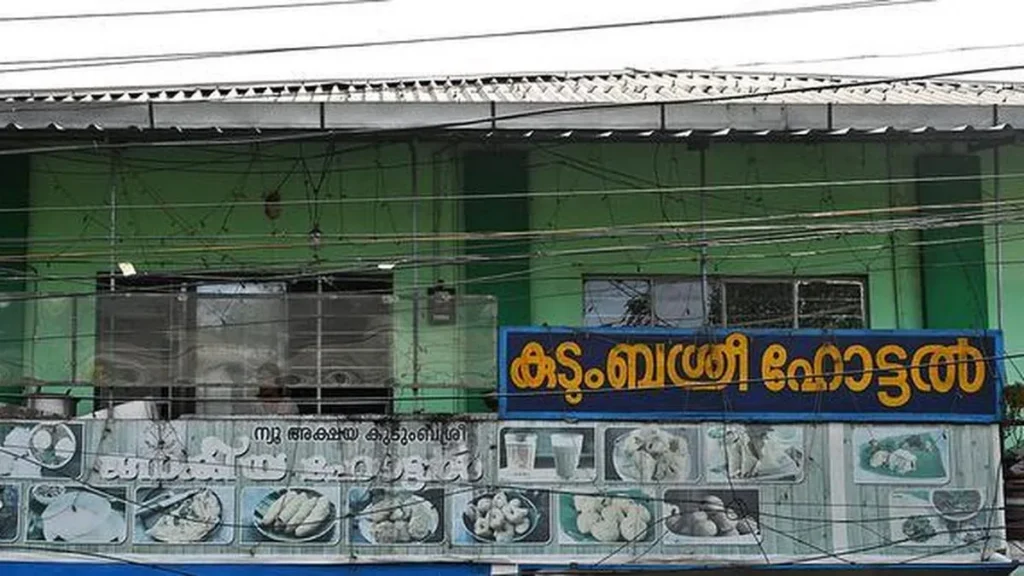
THIRUVANANTHAPURAM — The network of Janakeeya hotels, a flagship initiative of the Kerala government’s Kudumbashree women’s self-help group movement, is contracting in Kozhikode district as financial subsidies dwindle, according to a report published by The Hindu on September 23, 2026. The reduction in state support has forced several community-run eateries to scale back operations or close entirely, raising concerns about the sustainability of the model that has long served as a primary source of income for thousands of women in the state.
Financial Strain on Community Enterprises
Janakeeya hotels, which operate under the Kudumbashree framework, were designed to provide affordable meals to the public while generating revenue for women’s collectives. However, the recent withdrawal or reduction of subsidies has placed a significant burden on these units. In Kozhikode, a district with a high density of these establishments, the financial pressure has become acute. Local officials and Kudumbashree representatives have noted that the cost of raw materials, particularly rice and vegetables, has risen sharply, eroding the margins that previously allowed the hotels to operate with minimal state aid.
The Hindu’s report highlights that the drying up of subsidies is not an isolated incident but part of a broader fiscal tightening across the state. The Kerala government, facing its own budgetary constraints, has had to prioritize other public expenditure, leading to a reduction in direct financial support for Kudumbashree units. This shift has left many Janakeeya hotels struggling to cover their operational costs, resulting in a noticeable shrinkage of the network in Kozhikode.
Impact on Women’s Livelihoods
The contraction of the Janakeeya hotel network has direct implications for the women who run these units. Kudumbashree, which claims to involve over 6 million women in Kerala, has been a cornerstone of the state’s social welfare and economic empowerment strategies. The closure or scaling down of these hotels threatens to reduce the income of these women, many of whom rely on the earnings from these units to support their families. Local leaders have expressed concern that the loss of these livelihoods could exacerbate economic inequality in the region, particularly among marginalized communities.
Despite the challenges, the Kerala government has indicated its intention to continue supporting the Janakeeya model. A report by The New Indian Express on September 23, 2026, titled “Kerala govt to keep pot boiling for Janakeeya Hotels,” suggests that the state is exploring alternative mechanisms to sustain these units. These may include revised subsidy structures, partnerships with private entities, or increased marketing efforts to boost customer footfall. The government’s commitment to keeping the “pot boiling” underscores the political and social importance of the Kudumbashree initiative in Kerala’s governance framework.
Historical Context and Model Sustainability
The Janakeeya hotel model has been widely recognized for its success in providing affordable food and generating employment for women. According to the Local Self Government Department (LSGD) of Kerala, the state had 1,054 Janakeeya hotels as of recent records, which were described as a “unique model extending best of their services.” However, the current financial climate is testing the resilience of this model. The shift from a subsidy-dependent structure to a more market-oriented approach requires significant adaptation, which many local units are finding difficult to manage without additional support.
Experts in rural economics have pointed out that the success of Kudumbashree units is closely tied to the level of government support. As the state reduces its financial involvement, the units must become more efficient and competitive. This transition is not without risks, particularly in areas where competition from private eateries is intense. The case of Kozhikode serves as a microcosm of the broader challenges facing Kudumbashree across Kerala, where the balance between social welfare and fiscal responsibility is becoming increasingly difficult to maintain.