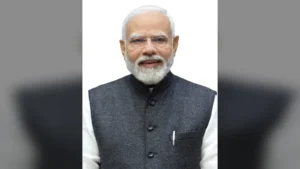
KOLKATA — BJP President Nitin Nabin directed West Bengal ministers to strictly separate party organizational activities from their official government responsibilities, stating that the political party should not interfere in the day-to-day functioning of the state administration. The directive was issued during a closed-door meeting with state cabinet members and senior party leaders, marking a clear delineation between executive duties and party politics in the state where the BJP is currently in power.
Strict separation of roles
According to reports from The Hindu, Nabin emphasized that ministers must prioritize their statutory obligations to the public over party internal matters. He instructed cabinet members to focus exclusively on administrative duties, ensuring that government services and policy implementation are not compromised by partisan agendas. The party chief noted that the credibility of the government depends on its ability to function as a neutral administrative body, free from the influence of internal party dynamics.
The meeting, held in Kolkata, served as a strategic session to align the state unit’s approach with the central party’s broader governance philosophy. Nabin urged leaders to build a stronger organizational structure that operates independently of the executive branch. He highlighted that while the party provides the political mandate, the government’s legitimacy is derived from effective service delivery and transparent administration. This distinction is particularly significant in West Bengal, where the BJP has transitioned from an opposition role to governing the state, necessitating a shift in operational focus for its leadership.
Organizational strengthening
In parallel with the directive on administrative conduct, Nabin outlined a roadmap for strengthening the BJP’s organizational base in the state. As reported by MillenniumPost, the party chief called for a more robust grassroots network that can engage with voters without encroaching on the ministerial portfolio. He advised leaders to invest time in party mobilization, cadre training, and local issue resolution, but strictly outside the purview of their official government roles. This dual-track approach aims to ensure that the party remains politically vibrant while the government maintains administrative efficiency.
The emphasis on organizational strength reflects the central leadership’s strategy to consolidate its hold in eastern India. Nabin’s instructions were part of a broader tour of West Bengal, during which he interacted with various sections of society, including youth and local communities. The tour included engagements where he addressed public concerns and promoted the party’s policy frameworks, but the core message to the cabinet remained focused on professional governance.
Youth engagement and digital responsibility
During his interactions in Kolkata, Nabin also addressed the youth, urging them to be selective in the content they consume online. As noted by The Tribune, he warned against the spread of misinformation and encouraged young people to verify information through credible sources. This advice was framed within the context of digital literacy and responsible citizenship, aligning with the party’s broader efforts to engage the younger demographic in constructive political discourse.
The party chief’s remarks on digital responsibility were part of a series of public addresses during his visit. He emphasized the importance of critical thinking in the digital age, urging youth to avoid being influenced by unverified narratives. This aspect of his tour highlighted the BJP’s focus on shaping public opinion through education and awareness, rather than solely through political campaigning.
Context of state governance
The directive to keep the party out of government functioning comes at a time when the West Bengal administration is working to establish its credibility in its first full term in power. The state has faced challenges in implementing its policy agenda amid political transitions and public scrutiny. Nabin’s intervention underscores the central party’s desire to ensure that the state government operates with a professional demeanor, free from the perception of partisan interference.
Senior party sources indicated that the meeting was productive and that ministers have acknowledged the need for a clear distinction between their roles. The BJP’s West Bengal unit is expected to implement guidelines to ensure that cabinet members do not use government resources for party activities, a standard practice in democratic governance but one that requires strict enforcement to maintain public trust.
The party’s focus on organizational strengthening also reflects its long-term strategy to build a durable political base in the state. By encouraging leaders to invest in grassroots mobilization, the BJP aims to create a resilient network that can support its candidates and policies in future elections. This approach is consistent with the party’s national strategy of building strong local units that can effectively communicate with voters and address their concerns.
Nabin’s visit to West Bengal also included cultural engagements, where he participated in local events and interacted with community leaders. These interactions were designed to showcase the party’s commitment to local issues and its respect for regional traditions. The tour concluded with a reaffirmation of the party’s dedication to serving the people of West Bengal through effective governance and strong organizational support.
Primary Sources & Official Records
- Nabin tells West Bengal BJP ministers that party should not interfere in government functi
- BJP chief Nitin Nabin tells Bengal leaders to build stronger organisation – MillenniumPost
- BJP President Nitin Nabin tastes local flavour, relishes Jhal Muri during West Bengal tour
- Be selective in what you consume online, Nabin tells youth in Kolkata – The Tribune