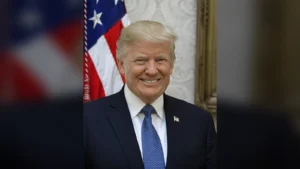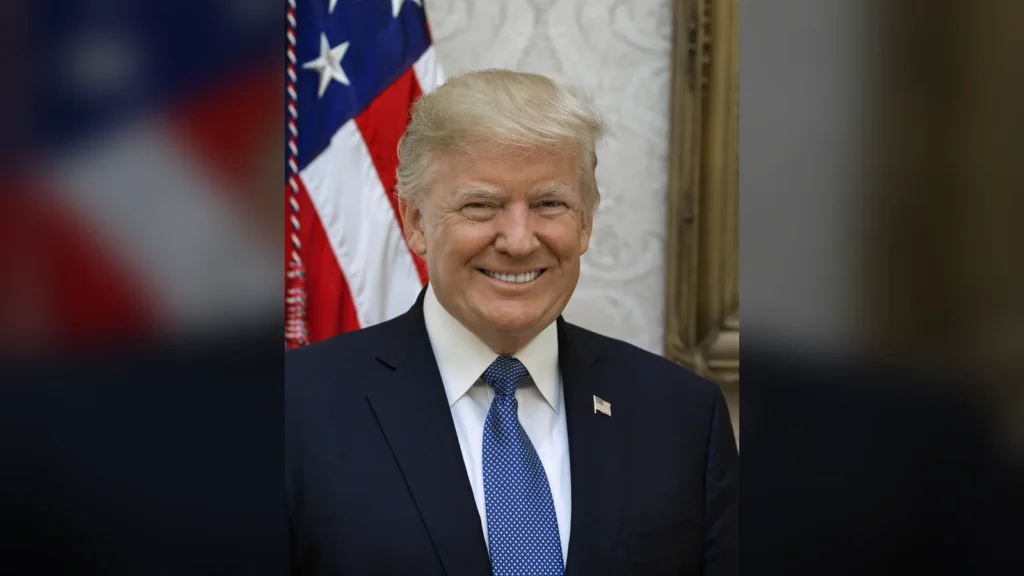
WASHINGTON — Iran’s Foreign Minister Hossein Amirabdollahian said on Sunday that only a negotiated solution could end the deadlock over the Strait of Hormuz after former U.S. President Donald Trump rejected a seven‑day plan to restore shipping through the waterway. The plan, presented to the U.S. on 25 September, had called for a cessation of hostilities and the reopening of the strait, a critical chokepoint for global oil traffic.
Trump’s rejection of the roadmap
On 26 September, Al Jazeera reported that Trump, speaking on a private platform, dismissed the Iranian proposal. The seven‑day roadmap had been drafted by Iran’s Ministry of Foreign Affairs and was intended to provide a framework for de‑escalation and a return to normal oil exports. Trump’s statement was not accompanied by a formal U.S. policy announcement, and the State Department has yet to issue a response.
Iran’s stance on negotiation
Amirabdollahian said that “only a negotiated solution can end the deadlock” and urged the United States to engage in dialogue. He added that Iran remains ready to discuss the terms of the plan, which includes a phased reopening of the strait and a reduction in sanctions on Iranian oil exports. The minister emphasized that the Iranian government is committed to a diplomatic path rather than military escalation.
Background on the Hormuz dispute
The Strait of Hormuz, through which about 20% of the world’s crude oil passes, has been a flashpoint in U.S.–Iran relations since the 1979 revolution. In 2023, the U.S. imposed sanctions on Iranian oil exports and threatened to close the strait if Iran did not comply with international demands. The 2026 roadmap was the latest attempt by Tehran to lift those restrictions and restore normal shipping lanes.
Reactions from U.S. officials
While Trump’s rejection was publicly noted, no official U.S. spokesperson has confirmed the statement. The White House has not issued a statement on the matter, and the State Department’s spokesperson has declined to comment. Analysts say the U.S. may be reassessing the feasibility of the plan in light of domestic political pressures and regional security concerns.
Implications for regional security
The strait’s closure would have significant economic repercussions, affecting oil prices and shipping routes. Iran’s proposal included a 7‑day timeline to open the strait, but the U.S. has not agreed to the schedule. The Iranian government has reiterated its willingness to negotiate and has called for a multilateral approach involving regional partners.
Future diplomatic steps
Both sides have indicated that further talks will be necessary. The Iranian Foreign Ministry has scheduled a meeting with U.S. diplomats in the coming weeks to discuss the roadmap’s terms. The U.S. has not confirmed a date for such a meeting, but diplomatic channels remain open.
Primary Sources & Official Records
- Iranian minister says only negotiation can end conflict after Trump rejects Hormuz deal
- Iranian minister says only negotiation can end conflict after Trump rejects Hormuz deal –
- Trump rejects Iran’s seven-day roadmap to end war and reopen Hormuz – Al Jazeera
- ‘Only negotiated solution can end deadlock’: Iran as Trump rejects peace plan | World News