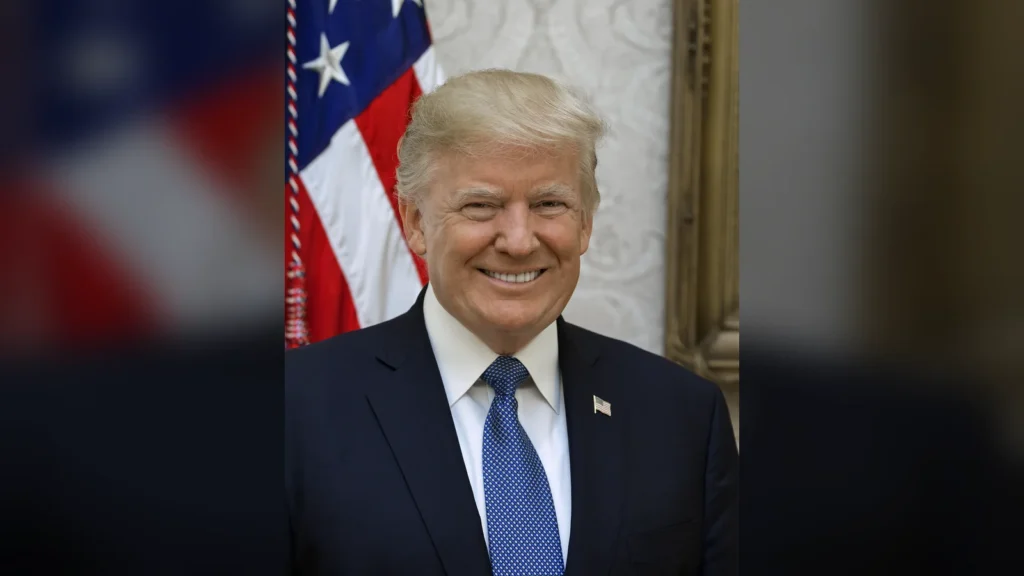
WASHINGTON — Former President Donald Trump announced that he would not accept Iran’s seven‑day ceasefire proposal aimed at reopening the Strait of Hormuz, according to reports from Aljazeera, The Guardian, The Jerusalem Post and Bloomberg. The decision comes amid rising tensions between the United States and Iran over the strategic chokepoint that handles about 20 percent of global oil shipments.
Background
The Strait of Hormuz, a narrow waterway between Oman and Iran, is a critical artery for the world’s energy trade. In recent months, the United States has increased its naval presence in the region and has threatened to close the strait in response to Iranian missile tests and drone attacks on U.S. assets. Iran, meanwhile, has sought to ease hostilities by proposing a short‑term ceasefire that would allow commercial shipping to resume and reduce the risk of a broader conflict.
In a statement released on Saturday, the Iranian Foreign Ministry outlined a seven‑day pause in hostilities that would include a halt to missile launches and a temporary opening of the strait for commercial vessels. The proposal was presented to the United States as a confidence‑building measure ahead of the upcoming U.S. midterm elections.
Trump’s Response
Trump, who has remained an active political figure since leaving office, rejected the proposal in a brief statement to his supporters. The former president said that the United States would not compromise on its security interests and that the war would continue after the midterm elections. The statement was reported by Aljazeera and The Guardian, both of which noted that Trump’s comments were made in a private briefing rather than through an official White House channel.
According to Bloomberg, the rejection was part of a broader strategy to maintain pressure on Iran. The article cited unnamed sources within the Trump campaign who said that the former president viewed the ceasefire as a “political gambit” that could undermine U.S. leverage in the region.
Implications for the Strait
The Strait of Hormuz remains a flashpoint for international trade. A closure would trigger a sharp rise in oil prices and could disrupt supply chains for countries that rely on Iranian oil. The U.S. Department of Defense has maintained a fleet of destroyers and frigates in the Gulf to deter any attempt by Iran to block the waterway.
Iran’s Ministry of Foreign Affairs has stated that the ceasefire would be a “sign of goodwill” and that it would be ready to negotiate further steps if the United States were to reconsider. However, the rejection by Trump has effectively stalled the initiative, according to reports from The Jerusalem Post.
Regional Reactions
Regional actors have expressed concern over the continued standoff. Saudi Arabia’s foreign ministry called for “a sustained diplomatic effort” to keep the strait open, while the United Arab Emirates warned that any escalation could affect the stability of the Gulf region.
In Tehran, the Iranian parliament has passed a resolution urging the government to pursue diplomatic solutions, but the ceasefire proposal remains on hold. The United Nations has called for a “peaceful resolution” of the conflict, citing the importance of the strait to global commerce.
Future Outlook
With the U.S. midterm elections approaching, analysts suggest that the political climate may influence future negotiations. The Trump administration’s stance indicates that any agreement will likely require a more comprehensive security framework rather than a short‑term ceasefire.
The U.S. State Department has not issued an official response to the proposal or to Trump’s rejection. The Department’s spokesperson said that the United States remains committed to protecting the free flow of commerce through the strait while maintaining its security posture.
As the situation develops, shipping companies and energy traders are monitoring the diplomatic dialogue closely. The International Energy Agency has warned that any disruption could lead to a temporary spike in Brent crude prices, potentially reaching levels above $100 per barrel.