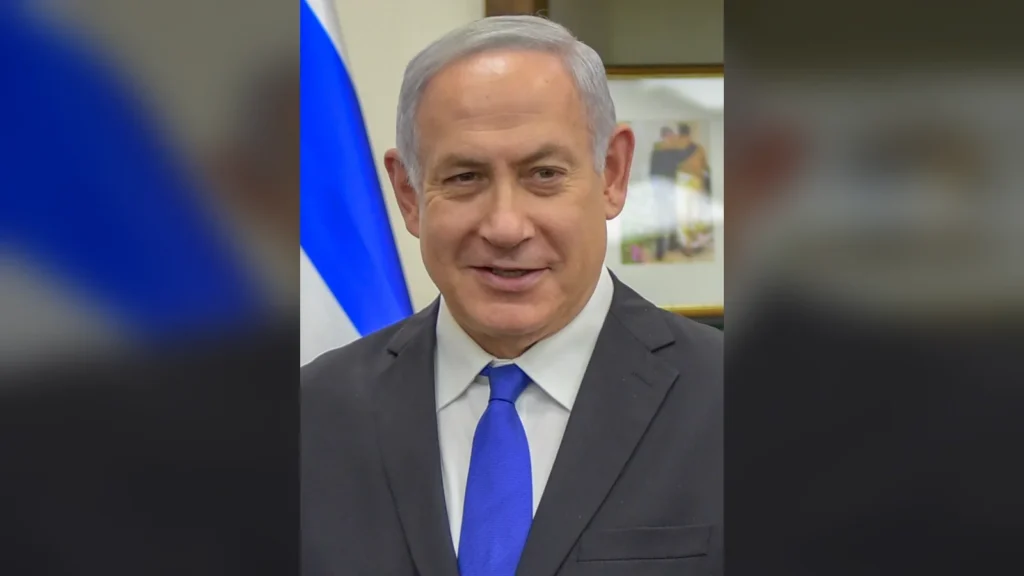
GENEVA — Prime Minister Benjamin Netanyahu delivered a 12‑minute speech at the United Nations General Assembly on 24 September 2026, in which he denied accusations of genocide against Israel and criticized international media coverage of the Gaza conflict. The remarks were met with a wave of criticism from several countries and the international press, including a sharp rebuke from Al Jazeera, which said it would not tolerate attacks on journalists.
Netanyahu’s defence of Israel at the UN
In his address, Netanyahu rejected claims that Israel’s military operations in Gaza constituted genocide. He described the Gaza Strip as a “terrorist stronghold” and accused the United Nations of bias. The speech was interrupted by a delegation of 12 countries, led by Qatar and Turkey, who walked out in protest. The United Nations Secretary‑General’s office later issued a statement that the speech was “unacceptable” and called for a return to constructive dialogue.
Al Jazeera’s response to the attack on journalists
Al Jazeera’s editorial team issued a statement on 25 September 2026, rejecting Netanyahu’s “attack on journalists” and reaffirming the network’s commitment to independent reporting. The statement was published on the Al Jazeera website and echoed by several other media outlets. The network said it would continue to cover the conflict “with accuracy and integrity” and called for a respectful dialogue between governments and the press.
International reaction and media freedom concerns
Following the speech, several UN member states, including Qatar, Turkey, and the United Arab Emirates, issued joint statements condemning the Prime Minister’s remarks. The statements highlighted the importance of protecting journalists in conflict zones and called for an end to “politically motivated attacks” on media personnel. The United Nations Human Rights Council later scheduled a special session to discuss the protection of journalists in the Middle East.
Context: Gaza conflict and UN scrutiny
The Gaza conflict has intensified since early 2025, with Israel conducting air strikes and ground operations in response to rocket fire from Hamas. The United Nations has repeatedly called for a cease‑fire and humanitarian access. In 2026, the UN Human Rights Council passed a resolution demanding an independent investigation into alleged war crimes. Netanyahu’s speech was widely seen as a direct challenge to these calls.
Al Jazeera’s stance on press freedom
Al Jazeera’s statement emphasised that “journalists are not a target of political rhetoric.” The network’s spokesperson said that the Prime Minister’s remarks “mischaracterise the role of the media” and that the network would continue to report on the situation in Gaza and Israel. The statement also urged governments to respect the independence of the press.
Impact on diplomatic relations
Israel’s diplomatic mission in Geneva reported that the speech had strained relations with several European countries. The Israeli Foreign Ministry issued a brief response stating that the Prime Minister’s remarks were “in line with the country’s official position” and that Israel would not be deterred by “unfounded allegations.”
Future developments
The United Nations is expected to convene a follow‑up meeting on 30 September to address the concerns raised by the speech. Al Jazeera has announced plans to host a panel discussion on press freedom in conflict zones, scheduled for 5 October. The panel will feature journalists from the Middle East, Europe, and the United States.
Primary Sources & Official Records
- Al Jazeera rejects Netanyahu’s attack on journalists in UN speech
- Al Jazeera rejects Netanyahu’s attack on journalists in UN speech – yahoo.com
- Benjamin Netanyahu Defends Israel at UN, Rejects Gaza Genocide Claims as Delegations Walk
- Qatar, Turkey and Mamdani hit back after Netanyahu’s fiery UN speech – Ynetnews