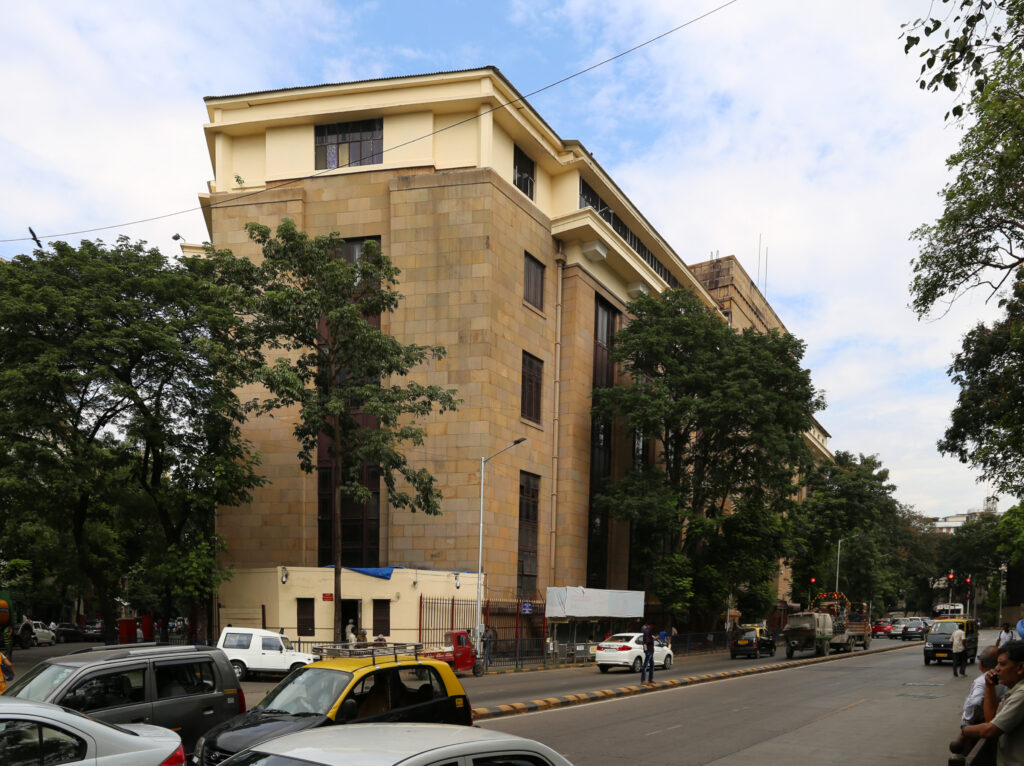
NEW DELHI — The Reserve Bank of India (RBI) kept its key repo rate at 6.50% on Tuesday, September 20, 2026, in a statement that underscored a steady‑inflation outlook and a commitment to support credit expansion. The decision, announced in a press release on the RBI’s official website, follows a three‑month review cycle and reflects the central bank’s assessment that price pressures remain within the 4% ±2% tolerance band of its medium‑term target.
Inflation and growth outlook
Consumer price inflation (CPI) for August 2026 eased to 4.9% year‑on‑year, down from 5.2% in July, driven by lower food‑price volatility and a modest decline in fuel costs. Core inflation, which excludes food and energy, held at 4.3%, comfortably inside the target range. “The RBI remains committed to anchoring inflation expectations while fostering an environment conducive to sustainable growth,” Governor Shaktikanta Das said in the release.
Real GDP growth for the July‑September quarter is projected at 6.8%, marginally above the 6.5% growth forecast made in the March 2026 monetary‑policy review. The RBI highlighted that credit growth to the private sector stood at 12.4% year‑on‑year in August, a slight uptick from 11.9% in July, indicating that tighter monetary conditions have not curbed lending activity.
Policy stance and future guidance
The RBI’s Monetary Policy Committee (MPC) voted unanimously to leave the repo rate unchanged, citing “stable inflation dynamics and a resilient growth trajectory.” The committee also reaffirmed its medium‑term stance of maintaining the policy repo rate in the 6.25%‑6.75% corridor until inflation consistently aligns with the 4% target.
In its forward‑guidance, the RBI warned that any resurgence of food‑price shocks or external commodity‑price volatility could prompt a reassessment of policy. However, the central bank expects the current stance to be appropriate for the next two policy meetings, scheduled for November 2026 and January 2027.
Financial‑system measures
Alongside the monetary‑policy statement, the RBI issued two supplementary press releases on September 20. One detailed revised guidelines for digital‑payment aggregators, extending the “Know Your Customer” (KYC) timeline from 30 to 45 days for low‑value transactions and mandating real‑time reporting of suspicious activity to the Financial Intelligence Unit‑India (FIU‑India). The other release announced the launch of a new “Green‑Bond” framework, encouraging banks to allocate at least 5% of their net‑worth to environmentally sustainable assets by March 2027.
Both measures aim to strengthen financial‑system resilience and align India’s capital markets with global sustainability standards. “Our regulatory toolkit is evolving to address emerging risks while supporting innovation,” the RBI’s Deputy Governor Swaminathan J. said.
Market reaction
Indian rupee (₹) closed at 82.45 per U.S. dollar on Tuesday, marginally stronger than the previous day’s 82.58, reflecting market confidence in the RBI’s steady‑hand approach. Domestic equity indices rose 0.6% on the news, with banking stocks leading gains.
Analysts at Axis Capital noted that the unchanged repo rate “reinforces the RBI’s calibrated stance – tight enough to keep inflation in check but accommodative enough to sustain growth.” Meanwhile, a senior economist at the National Institute of Public Finance warned that “persistent supply‑chain bottlenecks in the agricultural sector could reignite inflationary pressures, testing the RBI’s resolve.”