NEW YORK — The United States and Iran held their first direct diplomatic talks in months on Tuesday, convening at the United Nations headquarters in New York to address the ongoing conflict and the critical issue of navigation in the Strait of Hormuz. The meeting, described by officials as a shuttle negotiation, occurred during the annual United Nations General Assembly session and represents a significant de-escalation step following weeks of heightened military tension and public threats from Washington.
The talks were mediated by senior UN officials and took place in a closed-door session, limiting immediate public disclosure of specific terms. However, both delegations confirmed the occurrence of the meeting, signaling a willingness to engage in dialogue despite the absence of a formal ceasefire. The primary agenda items included the immediate cessation of hostilities and the restoration of safe passage for commercial shipping through the Strait of Hormuz, a waterway that handles approximately 20% of global oil trade.
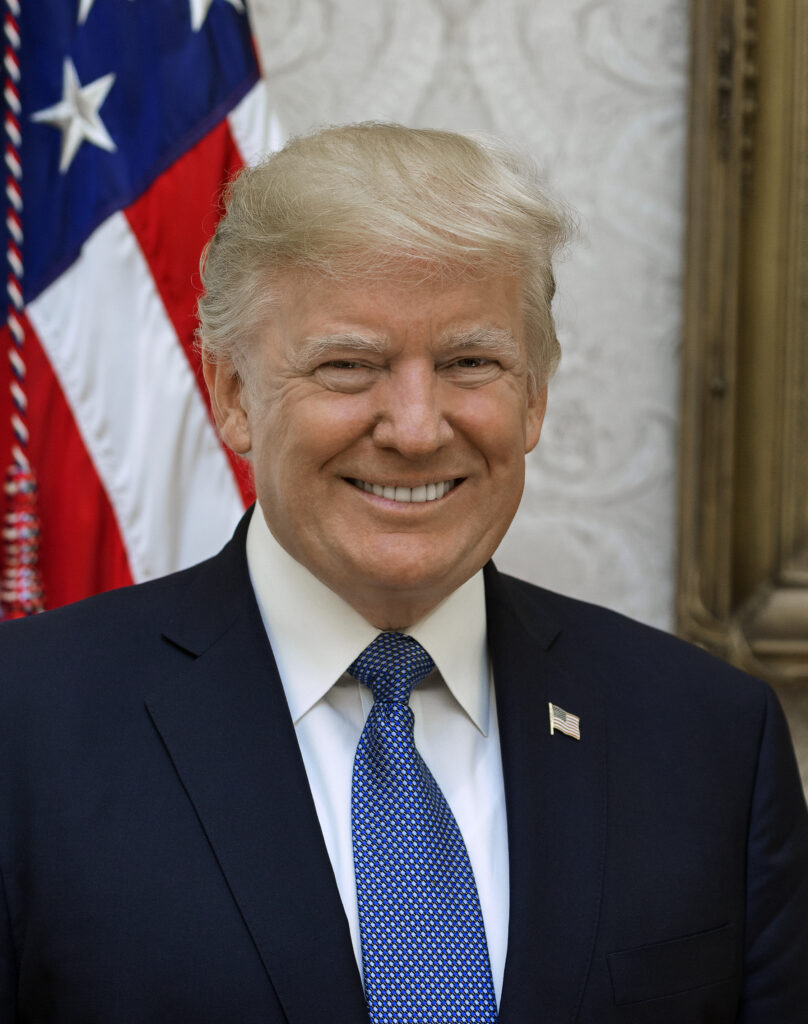
President Donald Trump had recently issued stark warnings to Tehran, threatening “annihilation” if Iran continued to target regional assets or impede maritime traffic. These remarks, made in late August, had raised fears of a broader military confrontation. The decision to sit down for talks, however, suggests that diplomatic channels remain open despite the rhetoric. A senior US State Department official, speaking on condition of anonymity to discuss the ongoing negotiations, stated that the administration is “exploring all avenues to stabilize the region” and that the talks were “productive but complex.”
Iranian Foreign Minister Abbas Araghchi, who led the Iranian delegation, emphasized that Tehran remains committed to its right to self-defense and the protection of its national sovereignty. In a brief statement released after the meeting, Araghchi noted that Iran is “open to dialogue based on mutual respect and the cessation of aggression.” He did not specify whether a written agreement was reached, but indicated that further technical discussions would follow in the coming days.
The timing of the talks coincides with the General Assembly, where world leaders are gathering to address global security challenges. The presence of both delegations in New York provided a neutral ground for engagement, avoiding the logistical and political complications of holding talks in either Washington or Tehran. Regional allies, including Saudi Arabia and the United Arab Emirates, have reportedly been kept informed of the progress, though they have not yet issued public statements on the outcome.
Analysts note that the reopening of the Strait of Hormuz is a key demand from the US and its Gulf partners, who have faced significant economic disruptions due to the blockade. The strait’s closure has led to a spike in global energy prices and supply chain disruptions, affecting markets worldwide. The US has imposed additional sanctions on Iranian entities involved in the blockade, further pressuring Tehran to engage in negotiations.
The talks come amid ongoing military operations in the region, with the US maintaining a significant naval presence in the Persian Gulf. Iran has accused the US of violating international law by maintaining a military presence in the region, while Washington argues that its forces are there to protect freedom of navigation and deter further aggression. The diplomatic engagement offers a potential pathway to de-escalation, but observers caution that deep-seated mistrust and unresolved core issues, including Iran’s nuclear program and regional influence, remain significant hurdles.
Further rounds of talks are expected to be scheduled in the coming weeks, with the possibility of involving other regional stakeholders. The UN Secretary-General has welcomed the initiative and urged both sides to pursue a comprehensive and lasting peace. The outcome of these negotiations will be closely monitored by global markets and international security bodies, as the stability of the Middle East continues to have far-reaching implications for global energy security and geopolitical dynamics.
Primary Sources & Official Records
- US and Iran hold first talks since June after Trump’s ‘annihilation’ threat
- US, Iran hold mediated UNGA talks on ending war, opening Strait of Hormuz – Al Jazeera
- US, Iran hold 1st talks in months with both desperate to end war – Daily Sabah
- Hope for progress after U.S., Iran hold first shuttle talks in months – The Hindu