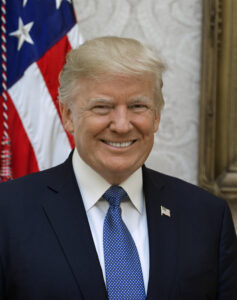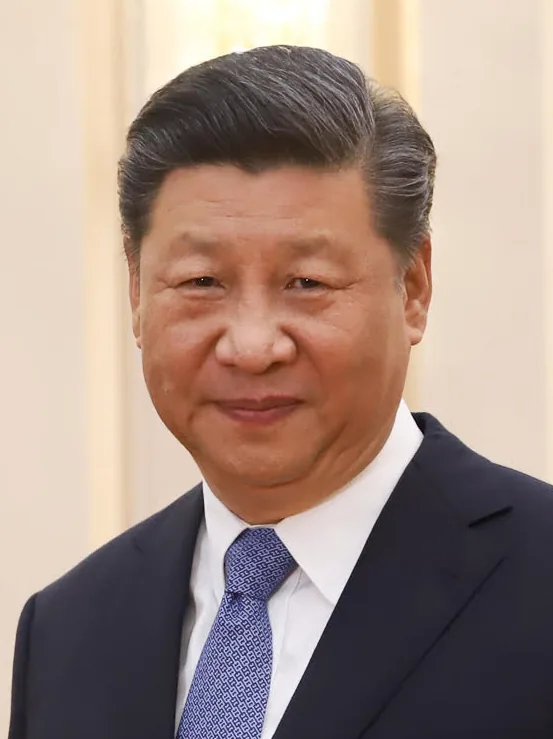
WASHINGTON — Chinese President Xi Jinping arrived in the United States on Wednesday for a state visit that President Donald Trump is betting on to stabilise deteriorating global relations and reset the trajectory of the world’s two largest economies. The visit, scheduled to last several days, marks a critical diplomatic engagement as both nations navigate a complex landscape of trade disputes, technological decoupling, and strategic competition.
The arrival of President Xi in Washington was met with a lavish welcome ceremony, a diplomatic gesture that has drawn criticism from certain factions within China’s political establishment. According to reports from the South China Morning Post, some Chinese hawks have expressed grumbling over the scale of the reception, viewing it as an excessive display of deference to the American administration. Despite these internal dissenting voices, the official Beijing stance remains focused on the potential for dialogue and the management of differences through established diplomatic channels.
Trade and Technology at the Forefront
At the core of the bilateral agenda is the ongoing trade friction that has defined US-China relations in recent years. Both administrations have indicated a willingness to explore frameworks for reducing tariffs and addressing intellectual property concerns, although specific details remain under negotiation. The technological sector, particularly in the fields of artificial intelligence and semiconductors, is expected to be a focal point of discussion, with both sides seeking to establish guardrails for competition that do not escalate into broader conflict.
US lawmakers have also weighed in on the visit, with a bipartisan group of Congress members urging President Trump to address what they describe as China’s human rights record and strategic actions in the Indo-Pacific region. In a statement released ahead of the summit, the lawmakers emphasized the need for the US to maintain a firm stance on issues of national security and democratic values, while still engaging in necessary diplomatic dialogue.
Geopolitical Implications
The timing of the visit is significant, occurring amidst heightened tensions in the South China Sea and ongoing debates over US military support for Taiwan. Analysts note that while the summit may not resolve these deep-seated strategic issues, it provides a platform for direct communication between the two leaders, which is crucial for preventing miscalculations. The US and China are also expected to discuss their respective roles in global governance, including climate change and multilateral institutions, where their cooperation is increasingly viewed as essential for addressing transnational challenges.
President Trump has framed the visit as an opportunity to demonstrate American strength and the willingness to engage with China on equal terms. In a series of social media posts, he highlighted the potential for a new era of US-China relations, one that is competitive but not confrontational. The White House has emphasized that the goal of the summit is to achieve tangible outcomes that benefit both nations and the broader international community.
Observers are closely watching the outcomes of the bilateral talks, which are expected to be followed by a joint statement outlining the key agreements and areas of cooperation. The visit is seen as a test of the durability of the diplomatic relationship and the ability of both leaders to manage their differences constructively. As the world looks to Washington, the success of this summit could have far-reaching implications for global stability and economic growth.
Primary Sources & Official Records
- China’s Xi visits US as Trump bets on stabilising global relations
- China hawks grumble over Trump’s lavish welcome planned for Xi state visit – South China M
- Bipartisan duo wants to remind Congress, Trump of China’s ‘atrocities’ ahead of Xi visit –
- As Xi Visits Trump: Five Charts on China’s Latin America Ties – AS/COA