WASHINGTON — The White House press pool is a formalized system of exclusive media access that grants a small group of major news organizations priority coverage of the U.S. President, a mechanism currently at the center of legal disputes and internal industry protests. The system operates on the principle that a limited number of outlets receive direct, unmediated access to the President during travel and public appearances, while the broader accredited press corps relies on the pool’s output for real-time reporting.
Operational Structure and Exclusivity
The pool consists of a rotating group of major television networks, newspapers, and wire services. Membership is not permanent; it rotates based on a schedule determined by the White House press office. When a pool member covers a presidential event, they are granted exclusive access to the President for a specific duration, often during travel segments such as Air Force One rides or briefings. The pool member is responsible for producing a video or audio clip, which is then distributed to the wider press corps and the public. This system ensures that the President’s statements are captured by a single, trusted entity, reducing the chaos of multiple cameras and microphones competing for space in confined areas.
Legal Challenges and Media Bans
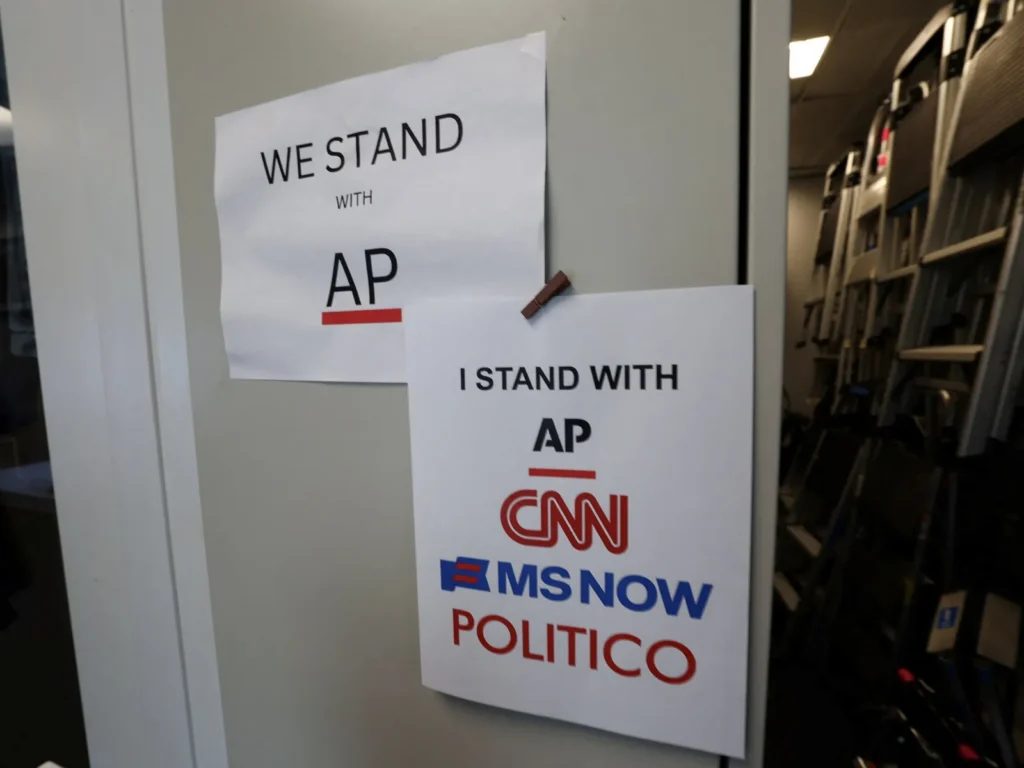
The current administration has faced significant legal scrutiny regarding its management of press access. Recent court filings indicate that major media organizations, including CNN, Politico, and MS NOW, are challenging the administration’s decisions to ban specific news outlets from the White House. The legal disputes center on the administration’s authority to revoke press credentials and the implications of such bans on the First Amendment. The press pool system, which relies on the cooperation of major outlets, is directly impacted by these bans, as the exclusion of key players alters the pool’s composition and the distribution of exclusive access.
Industry Protests and Boycotts
In response to the administration’s media bans, the press pool has engaged in coordinated protests. Reports indicate that pool members have declined to cover certain presidential events in solidarity with banned outlets. This boycott strategy aims to pressure the administration to reverse its decisions by withholding the exclusive coverage that the White House relies on for public communication. The protests highlight the tension between the executive branch’s control over its own communications and the press’s role in independent reporting. The pool’s decision to withhold coverage is a significant departure from its traditional role, which has historically been to facilitate access rather than challenge it.
Historical Context and Precedent
The press pool system has been a fixture of U.S. presidential communications since the mid-20th century. It was designed to manage the logistical challenges of covering a president who travels extensively and interacts with the public in various settings. The system has evolved over time, with changes in membership criteria and the scope of exclusive access. However, the current legal and political environment presents unprecedented challenges to the pool’s operation. The intersection of media bans, legal challenges, and industry protests has forced the pool to reconsider its role in the broader media landscape.
Implications for Press Freedom
The ongoing disputes raise critical questions about the boundaries of executive power and press freedom. The administration’s ability to ban specific outlets from the White House has set a precedent that could affect future presidential administrations. The press pool’s response, including its decision to boycott coverage, reflects a broader industry effort to defend its access rights. The legal outcomes of these disputes will likely shape the future of presidential media access and the role of the press pool in U.S. journalism.