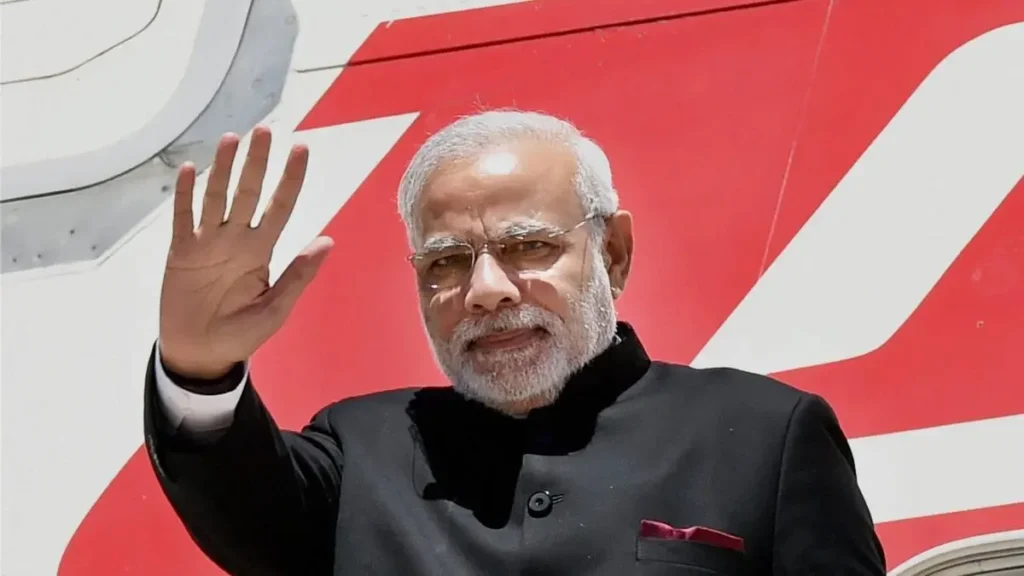
NEW DELHI — Prime Minister Narendra Modi is expected to visit Canada in December, a diplomatic engagement that officials say will inject new momentum into bilateral trade negotiations that have remained dormant for over a decade. The anticipated trip, confirmed by Canadian Prime Minister Mark Carney, coincides with a critical phase in the relationship between New Delhi and Ottawa, where economic ties are being prioritized alongside strategic security concerns.
Diplomatic Context and Strategic Realignment
The potential visit marks a significant shift in the trajectory of India-Canada relations, which had cooled following the 2023 assassination of Sikh separatist leader Hardeep Singh Nijjar in British Columbia. While the diplomatic frost has thawed in recent months, the underlying economic framework remains underdeveloped. Unlike the comprehensive trade agreements India has signed with the European Union, Japan, and Australia, India and Canada have yet to conclude a Free Trade Agreement (FTA). The December visit is viewed by trade analysts as a necessary catalyst to bridge this gap.
According to reports, the itinerary for the Prime Minister’s visit is likely to include high-level bilateral meetings with Prime Minister Carney, focusing on trade, investment, and security cooperation. The timing is strategic, occurring ahead of the G20 summit in the United States, where India is expected to engage with the U.S. on broader geopolitical and economic issues. This dual-track engagement allows New Delhi to balance its economic interests with both North American partners.
Trade Deficit and Market Access
The core of the upcoming negotiations will center on reducing the significant trade deficit that favors Canada. In the fiscal year 2025-26, India’s exports to Canada have remained modest compared to imports, particularly in the energy and agricultural sectors. Canadian crude oil, canola, and wheat constitute a substantial portion of India’s imports, while Indian exports are dominated by pharmaceuticals, textiles, and engineering goods.
Indian trade officials have long argued that the absence of an FTA has hindered the growth of services trade, a sector where India holds a comparative advantage. The services sector, including IT, finance, and professional services, accounts for a large share of India’s global trade but has not received the same level of preferential treatment in bilateral talks with Ottawa. The December visit is expected to address these asymmetries, with Indian negotiators seeking greater market access for Indian service providers in Canada.
Conversely, Canadian officials have emphasized the need for India to open up its agricultural market to Canadian producers. This remains a contentious issue, as Indian domestic policy is heavily influenced by the protection of small and marginal farmers. Any concession in this area would require careful political management in New Delhi, where agricultural issues are highly sensitive.
Investment and Energy Cooperation
Beyond trade, the visit is expected to focus on deepening investment ties. Canada is a significant source of foreign direct investment (FDI) in India, particularly in the mining, energy, and technology sectors. The two countries have been exploring opportunities in critical minerals, a sector of growing strategic importance due to the global transition to renewable energy. Canada is one of the world’s largest producers of lithium, cobalt, and other critical minerals, making it a key partner for India’s manufacturing ambitions under the Atmanirbhar Bharat (Self-Reliant India) initiative.
Energy cooperation is another pillar of the bilateral agenda. India has been increasing its imports of Canadian crude oil, reducing its dependence on Middle Eastern and Russian supplies. The December visit may see the signing of new agreements to enhance energy security and promote joint ventures in the oil and gas sector. Additionally, both countries are exploring collaboration in clean energy technologies, including solar and wind power, as part of their respective climate commitments.
Challenges and Future Outlook
Despite the optimistic tone, significant challenges remain. The complex nature of trade negotiations, particularly in the agricultural and services sectors, means that a comprehensive FTA is unlikely to be concluded in the short term. However, the December visit is expected to lay the groundwork for a phased approach, with interim agreements on specific sectors such as digital trade, intellectual property, and investment protection.
Indian diplomats have stressed that the visit is part of a broader strategy to diversify India’s trade partnerships and reduce reliance on any single market. By strengthening ties with Canada, India aims to enhance its economic resilience and secure access to advanced technologies and critical resources. The outcome of the December visit will be closely watched by global markets, as it could signal a new era of economic cooperation between two major democracies.
Primary Sources & Official Records
- Modi’s likely visit to Canada in December adds urgency to free trade talks
- PM Modi expected to visit Canada around December: Mark Carney – Deccan Herald
- Modi Expected to Visit Canada in December as Trade Talks Advance – INDIA New England News
- PM Modi May Visit US For G20 Summit, Bilateral With Trump On Cards – NDTV