GENEVA — Researchers warned on Wednesday that the current super El Niño event, identified as the strongest on record, is projected to cause approximately 450,000 excess deaths globally within six months. The findings, published in a peer-reviewed study and reported by multiple international news outlets, indicate that the extreme weather pattern will exacerbate heat-related mortality, disrupt food systems, and increase the burden of infectious diseases across vulnerable regions.
The study, which analyzed historical climate data and health outcomes, projects that the peak impact will be felt between October 2026 and February 2027. Scientists noted that El Niño events typically raise global average temperatures, but the current cycle is expected to be significantly more intense than previous occurrences. The primary driver of the projected mortality is extreme heat, which places acute stress on cardiovascular and respiratory systems, particularly among the elderly and those with pre-existing conditions.
“The scale of this event is unprecedented in the modern instrumental record,” said a lead author of the study, who noted that the combination of high temperatures and humidity creates a “wet-bulb” effect that limits the body’s ability to cool itself through sweating. The researchers emphasized that the 450,000 figure represents an excess over the baseline mortality expected for that period, not the total number of deaths caused by the weather event.
Global Health and Agricultural Impacts
Beyond direct heat stress, the study highlights secondary health impacts linked to El Niño. Disruptions to rainfall patterns are expected to cause droughts in parts of Africa, South Asia, and South America, leading to crop failures and food insecurity. Conversely, increased rainfall in other regions, such as the Pacific Islands and parts of Southeast Asia, may trigger flooding and the spread of waterborne diseases like cholera and dengue fever.
The agricultural sector faces significant risks, with the study projecting a decline in yields for staple crops such as rice, wheat, and maize. This could lead to higher food prices, disproportionately affecting low-income households in developing nations. The World Health Organization (WHO) has urged countries to strengthen their early warning systems and prepare for increased demand for healthcare services related to heat and waterborne illnesses.
Climate scientists noted that the current El Niño is occurring against a backdrop of long-term global warming, which amplifies its effects. “We are seeing the compounding of natural variability with anthropogenic climate change,” one researcher stated. “This makes the impacts more severe and harder to predict with traditional models.”
Regional Vulnerabilities
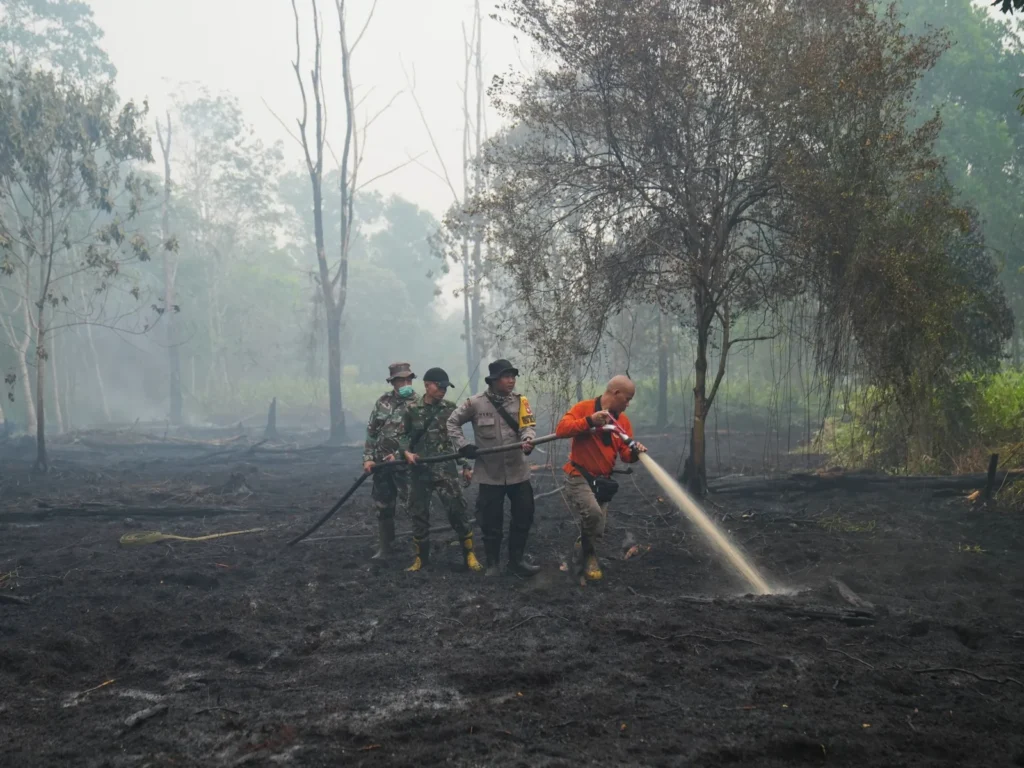
The study identifies several regions as particularly vulnerable. In Sub-Saharan Africa, prolonged droughts are expected to worsen existing food crises, potentially displacing millions of people. In South Asia, the disruption of the monsoon could lead to both drought and flooding, depending on the region. In the Americas, increased wildfire risk in North America and heatwaves in Central America are expected to strain public health resources.
Public health officials in affected countries have begun to implement emergency measures, including issuing heat advisories, distributing water and food supplies, and setting up cooling centers. However, many experts warn that current preparedness levels are insufficient to handle the scale of the projected impacts. “We need to move from reactive to proactive measures,” said a public health official in Geneva. “This means investing in climate-resilient infrastructure and improving access to healthcare in vulnerable communities.”
The study also calls for international cooperation to address the root causes of climate change and to support developing nations in adapting to its impacts. Researchers emphasized that while the immediate health effects of the El Niño are severe, the long-term consequences for global food security and public health could be even more significant.