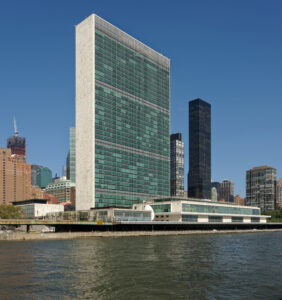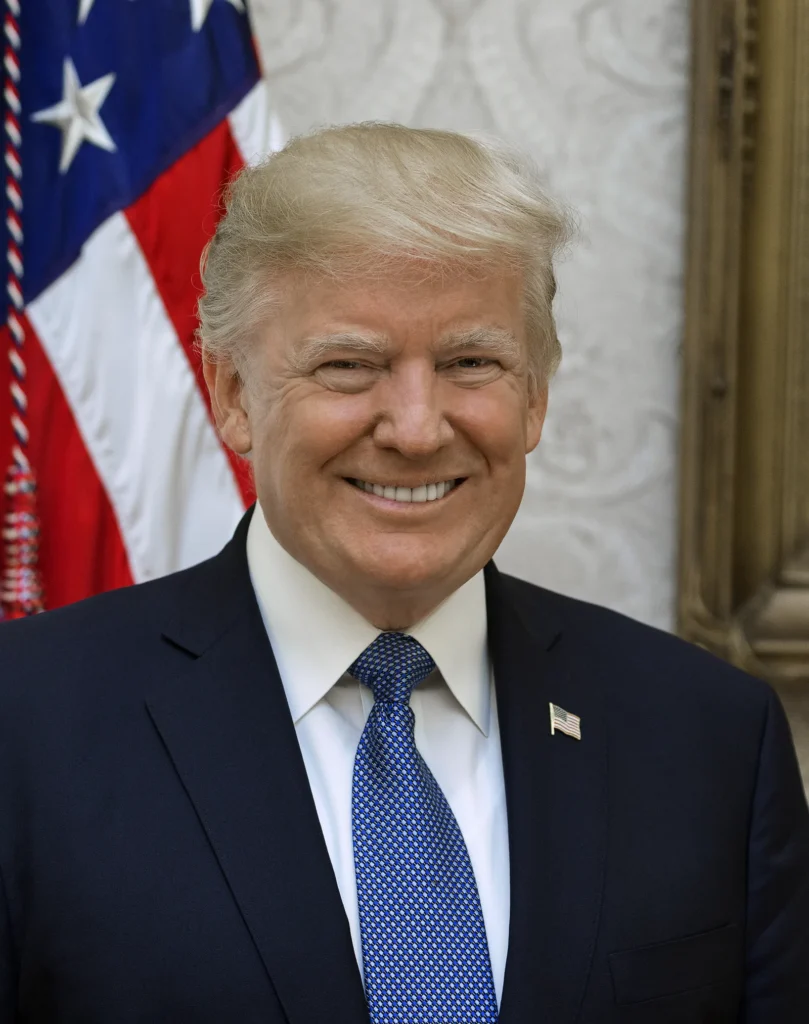
NEW YORK — Iranian President Masoud Pezeshkian addressed the United Nations General Assembly on Wednesday, stating that Iran will never “bend the knee” to U.S. President Donald Trump, in a direct rebuttal to Washington’s recent threats of military action and economic coercion. The address, delivered during the high-level week of the 81st session of the General Assembly, marked a significant escalation in rhetorical tensions between Tehran and Washington, occurring just days after Trump warned of potential “annihilation” of Iran if diplomatic negotiations failed.
Speaking from the U.N. podium, Pezeshkian framed the U.S. stance as an act of “terrorism” and “bullying,” asserting that the Islamic Republic’s foreign policy is not subject to external dictate. “We will not bow down to the terrorism of the United States,” Pezeshkian said, according to live transcripts and international wire reports. He emphasized that Iran’s nuclear program is peaceful and that the country’s sovereignty is non-negotiable. The President’s remarks were a clear departure from the more conciliatory tone adopted by his administration in the months following his inauguration, signaling a hardening of Tehran’s position in response to perceived U.S. aggression.
Context of Escalation
The diplomatic confrontation comes at a critical juncture in U.S.-Iran relations. On Tuesday, President Trump, also addressing the U.N. General Assembly, stated that the United States could “annihilate” Iran but expressed hope for a deal after the upcoming U.S. midterm elections. Trump’s comments, which were widely reported by NBC News and other international outlets, underscored the volatile nature of the current diplomatic landscape. The U.S. President linked the potential for a negotiated agreement to the political calendar in Washington, suggesting that the outcome of the midterms could influence the trajectory of U.S. foreign policy in the Middle East.
Analysts note that Pezeshkian’s speech was likely timed to counterbalance Trump’s threats and to rally domestic support in Iran. By framing the U.S. as an aggressor, the Iranian President sought to unify the Iranian public behind the government’s stance and to delegitimize U.S. diplomatic overtures. The speech also served as a message to Iran’s regional allies, including Hezbollah and various militias in Iraq and Yemen, that Tehran remains committed to its strategic partnerships despite external pressure.
Diplomatic Implications
The exchange between the two leaders has raised concerns among international diplomats about the potential for miscalculation in the region. The U.N. General Assembly, traditionally a forum for multilateral dialogue, has become a stage for bilateral posturing, reflecting the broader fragmentation of international norms. Several European and Arab diplomats have called for de-escalation, urging both sides to return to the negotiating table. However, the current rhetoric suggests that a breakthrough in the near term is unlikely.
The U.S. State Department did not immediately respond to Pezeshkian’s comments, but U.S. officials have previously maintained that the door to diplomacy remains open, provided Iran complies with its nuclear obligations. The International Atomic Energy Agency (IAEA) has continued to monitor Iran’s nuclear facilities, with recent reports indicating that Iran has increased its stockpile of highly enriched uranium. The IAEA Director General has urged all parties to exercise restraint and to prioritize transparency and verification.
Regional observers in the Gulf states are closely monitoring the situation, given the potential for spillover effects on energy markets and regional security. Saudi Arabia and the United Arab Emirates have called for a peaceful resolution to the dispute, emphasizing the importance of stability in the Persian Gulf. The economic implications of prolonged tension are also significant, with oil prices fluctuating in response to headlines from New York and Washington.
Domestic Reactions
In Tehran, state media broadcast excerpts of Pezeshkian’s speech, highlighting his defiance of U.S. pressure. Iranian social media users reacted with a mix of national pride and anxiety, with many praising the President’s firm stance while others expressed concern about the risks of military conflict. The Iranian government has faced internal challenges, including economic sanctions and social unrest, and the President’s speech may be seen as an attempt to project strength and unity.
As the U.N. General Assembly continues its sessions, the focus remains on the potential for further diplomatic engagement or escalation. The coming weeks will be crucial in determining whether the rhetoric translates into action, with both sides watching for signs of intent. The international community awaits a clear path toward de-escalation, but for now, the tone from both Washington and Tehran suggests a prolonged period of tension.
Primary Sources & Official Records
- Iran’s president tells Trump it will never ‘bend the knee’
- Trump tells U.N. he could ‘annihilate’ Iran but expects a deal after the midterm elections
- Iran President Tells U.N. Iran Will Not Bow Down to Trump’s Terrorism – The New Republic
- President tells Trump that Iran will never ‘bend at the knee’ – Arab News