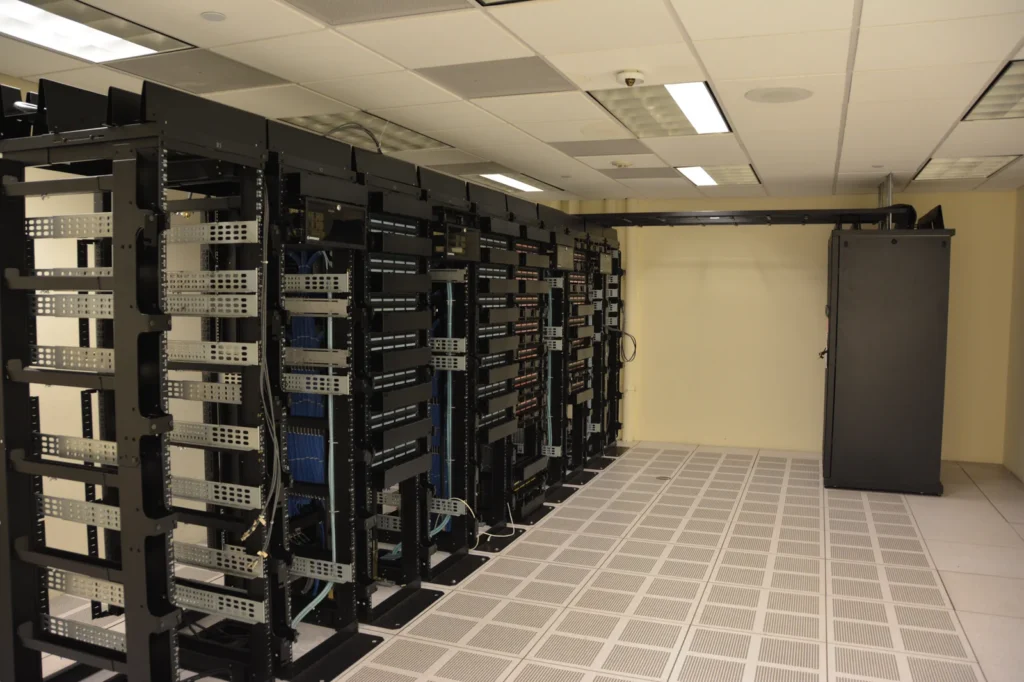
BEIJING — China is building a new generation of data centers at a pace described by the BBC as “China speed” to support its growing artificial‑intelligence ambitions. The move comes as the country seeks to secure a leadership position in the global AI race, according to a report published on 22 September 2026.
Rapid Expansion
The BBC article notes that the Chinese government has announced a plan to construct a series of data centers across the country. While the report does not disclose the exact number, it highlights the scale of the investment and the speed at which the facilities are being erected. The initiative is part of a broader strategy to expand domestic AI capabilities and reduce reliance on foreign cloud services.
Arise News, in a separate piece on the same day, reported that China’s AI infrastructure rollout is accelerating as the United States intensifies its own efforts to dominate the sector. The article points out that the U.S. government has increased funding for AI research and development, prompting China to accelerate its own build‑out to maintain parity.
Energy and Climate Concerns
The Verge’s coverage of AI data centers underscores the energy demands of these facilities. The article explains that AI workloads require substantial computational power, which translates into high electricity consumption. It cites industry estimates that large data centers can account for up to 1% of global electricity use, a figure that has raised alarms among environmental groups.
In a related development, Green Central Banking reported that senior bankers are pushing back on climate concerns associated with the AI data‑center boom. The article argues that the financial sector sees the expansion as a necessary investment to support technological progress, while acknowledging the need for sustainable energy solutions.
International Competition
China’s rapid deployment of data centers is part of a broader geopolitical contest over AI dominance. The U.S. has increased its own investment in AI infrastructure, citing national security and economic competitiveness as key drivers. China’s strategy, as outlined in the BBC report, focuses on building domestic capacity to reduce dependence on foreign cloud providers.
Both governments have emphasized the importance of securing supply chains for critical components such as semiconductors and cooling systems. The Chinese government has announced incentives for domestic manufacturers to produce high‑performance chips and advanced cooling technologies, aiming to shorten the time required to bring new data centers online.
The international community has expressed concern over the environmental footprint of the expanding AI infrastructure. The Verge article notes that many new data centers are being sited in regions with abundant renewable energy sources, but the overall impact on national grids remains a topic of debate.
Green Central Banking’s piece highlights that financial institutions are evaluating the long‑term sustainability of AI projects. While some banks support the growth of AI infrastructure, others are calling for stricter environmental standards and greater transparency in energy sourcing.
In summary, China’s aggressive build‑out of AI data centers is reshaping the global technology landscape. The initiative is driven by a desire to secure a competitive edge in AI, while also raising significant questions about energy consumption and environmental impact. The international community watches closely as both China and the United States continue to invest heavily in the next generation of computing infrastructure.



No reader commentary yet. Be the first to contribute your perspective on this dispatch.